






If you’re planning an event, setting up a trade show booth, or creating a backdrop, you’ve likely come across the term pipe and drape. But what exactly does it mean, and why is it used everywhere from weddings to large-scale exhibitions?
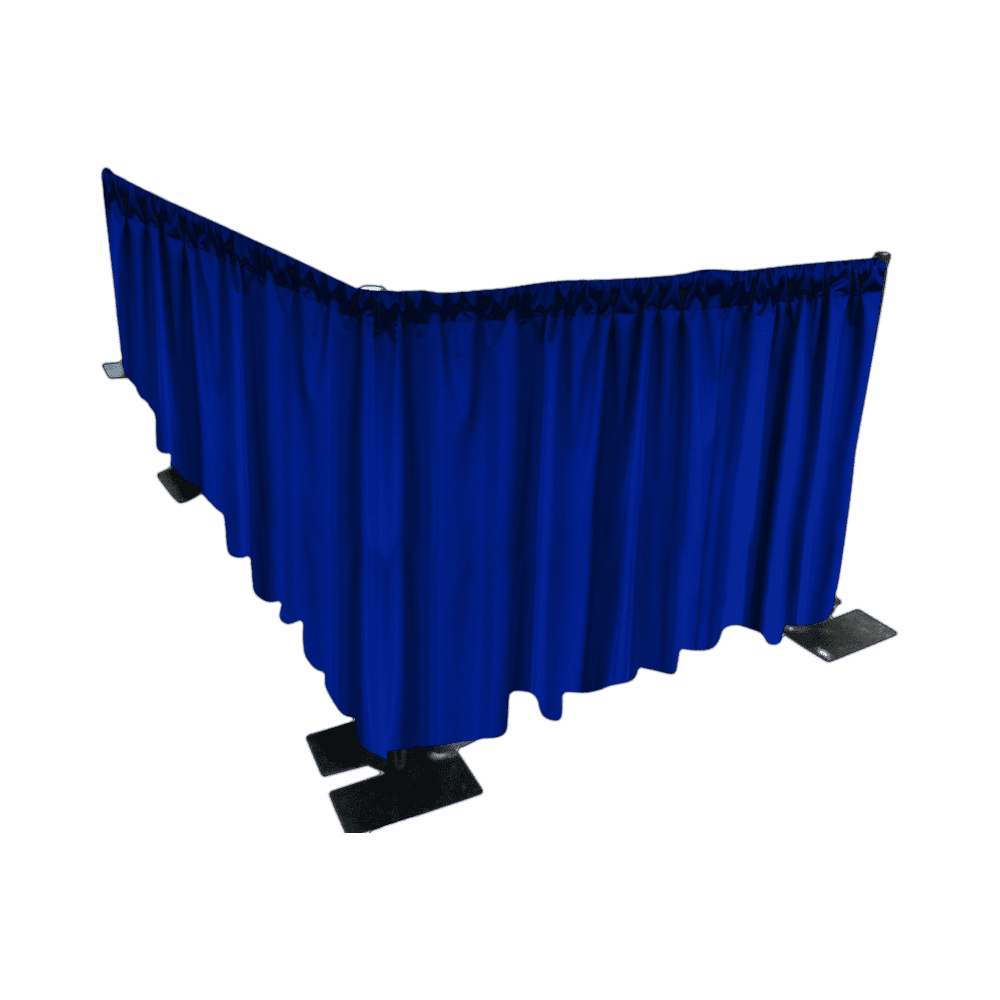
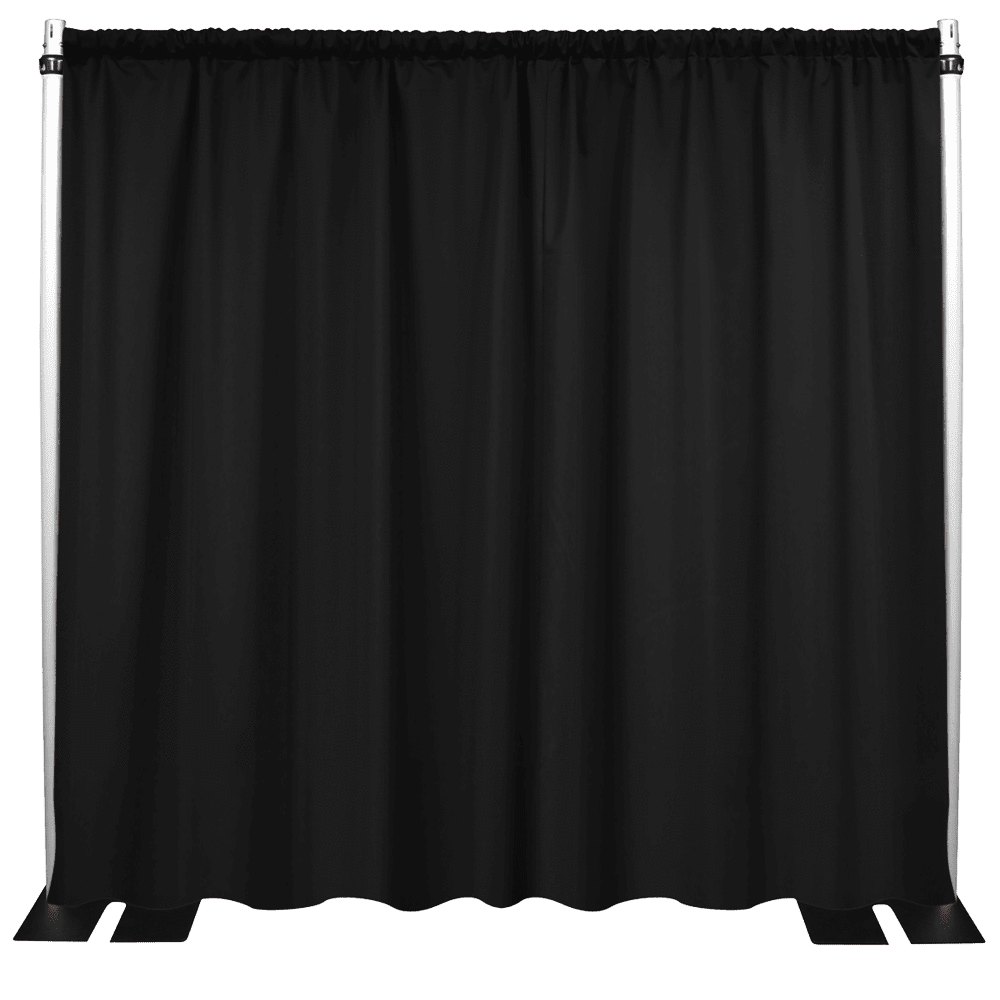
In simple terms, pipe and drape is a modular system made of adjustable metal pipes and fabric panels used to create temporary walls, backdrops, or partitions. Whether you're dividing a venue, building a booth, or designing a stage background, this system offers a flexible and professional solution without permanent construction.
This guide breaks down everything you need to know, from how pipes and drapes work to where they’re used and how to choose the right setup for your needs.
What Is Pipe and Drape?
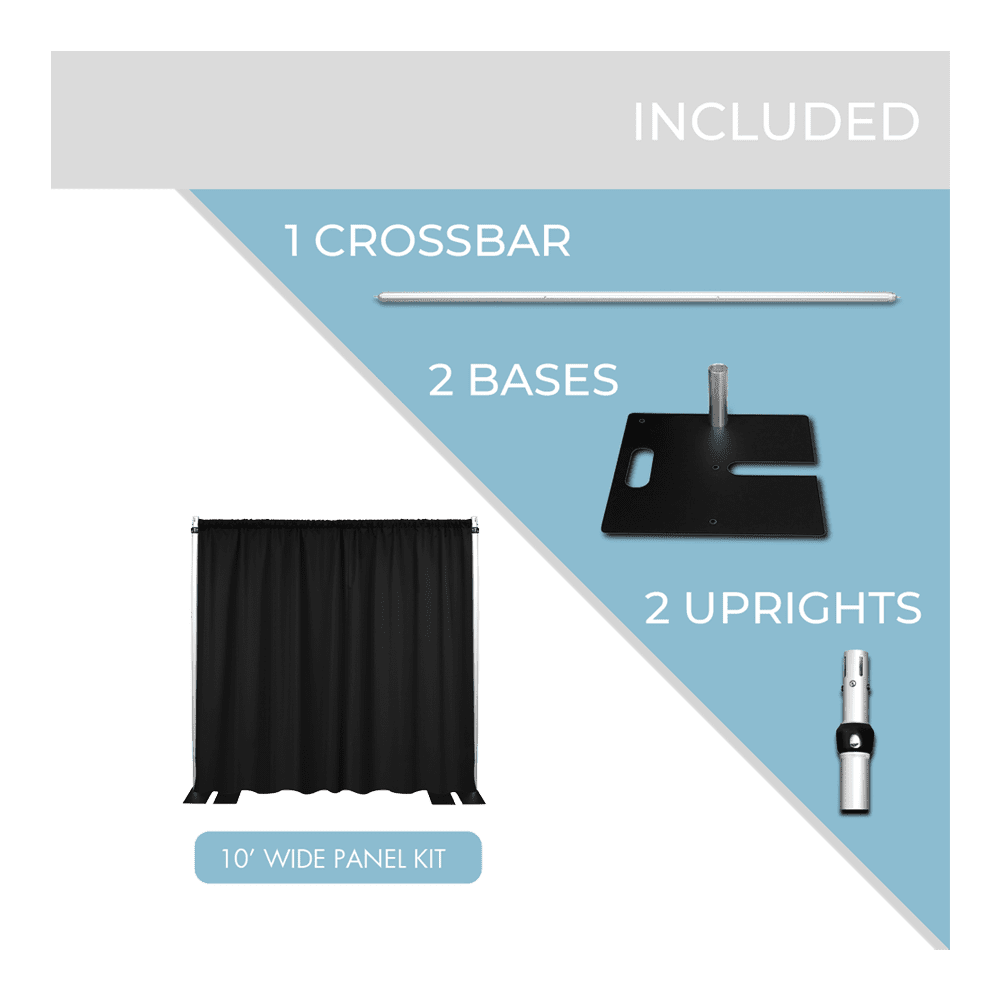
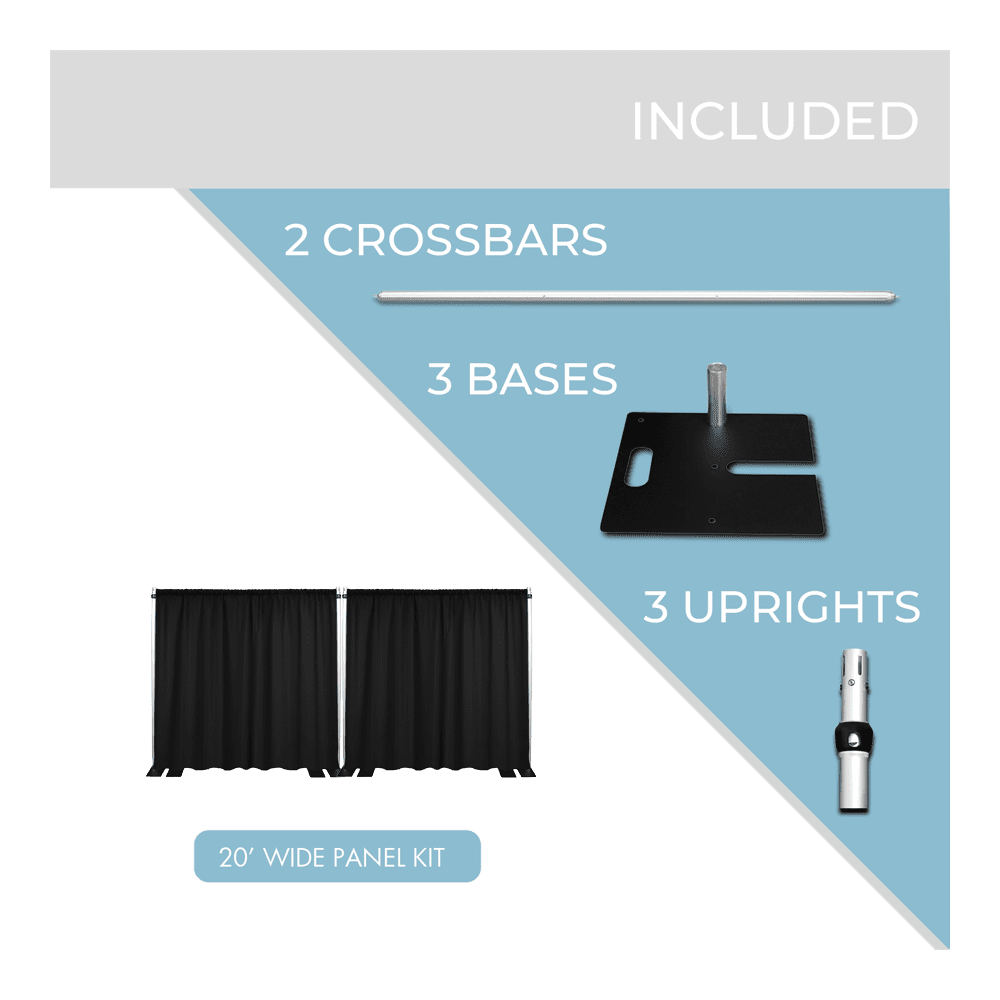
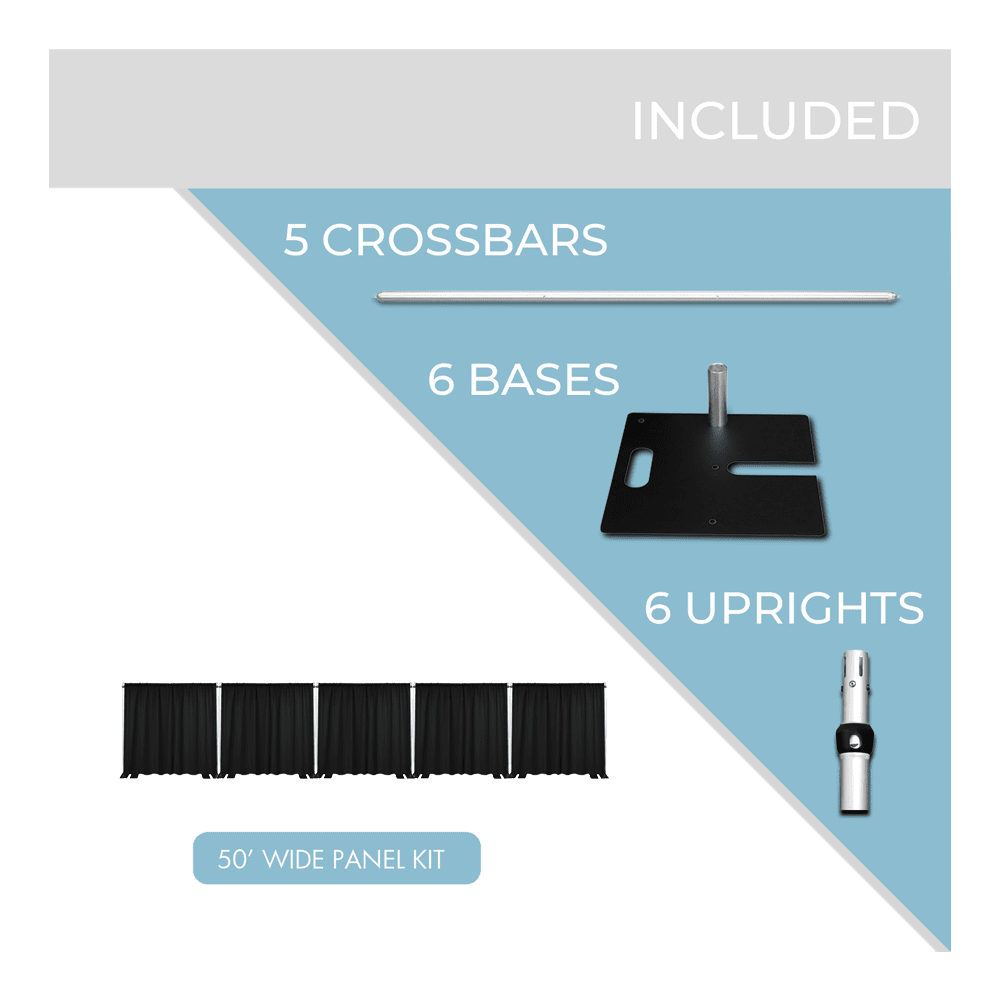
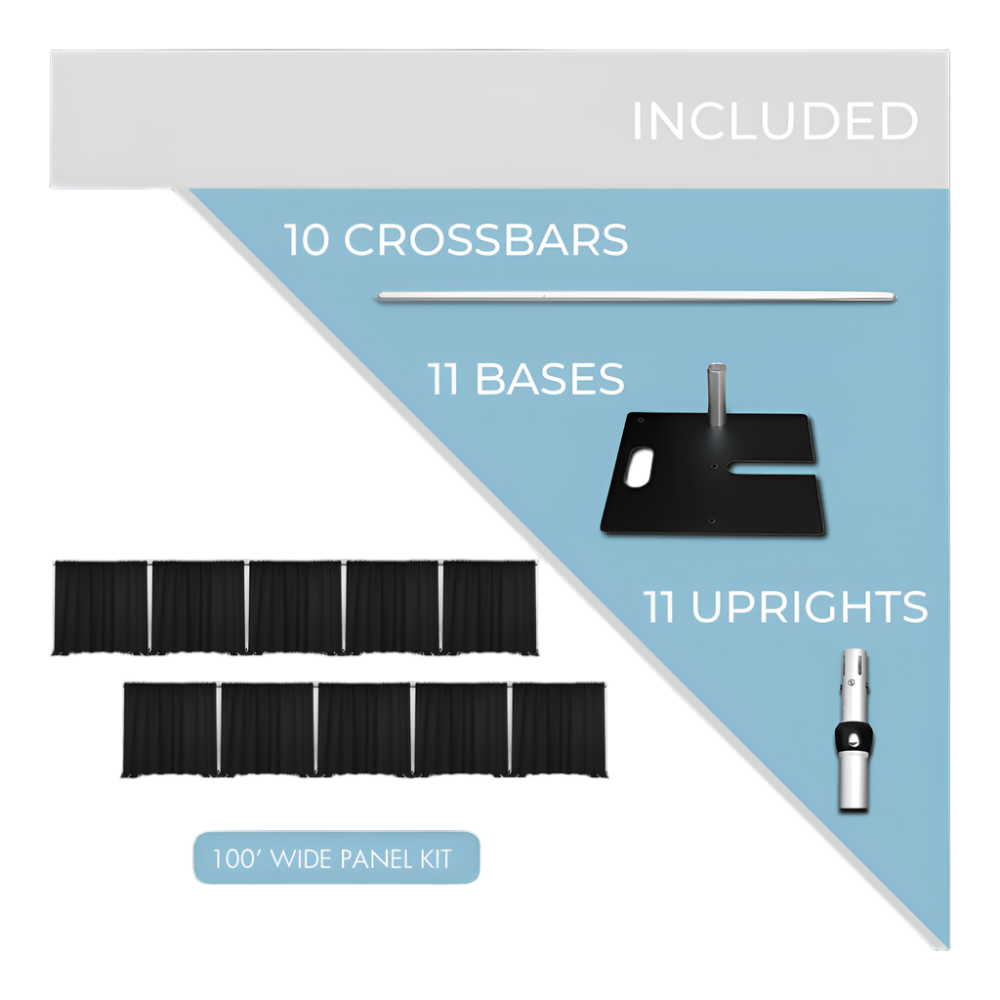
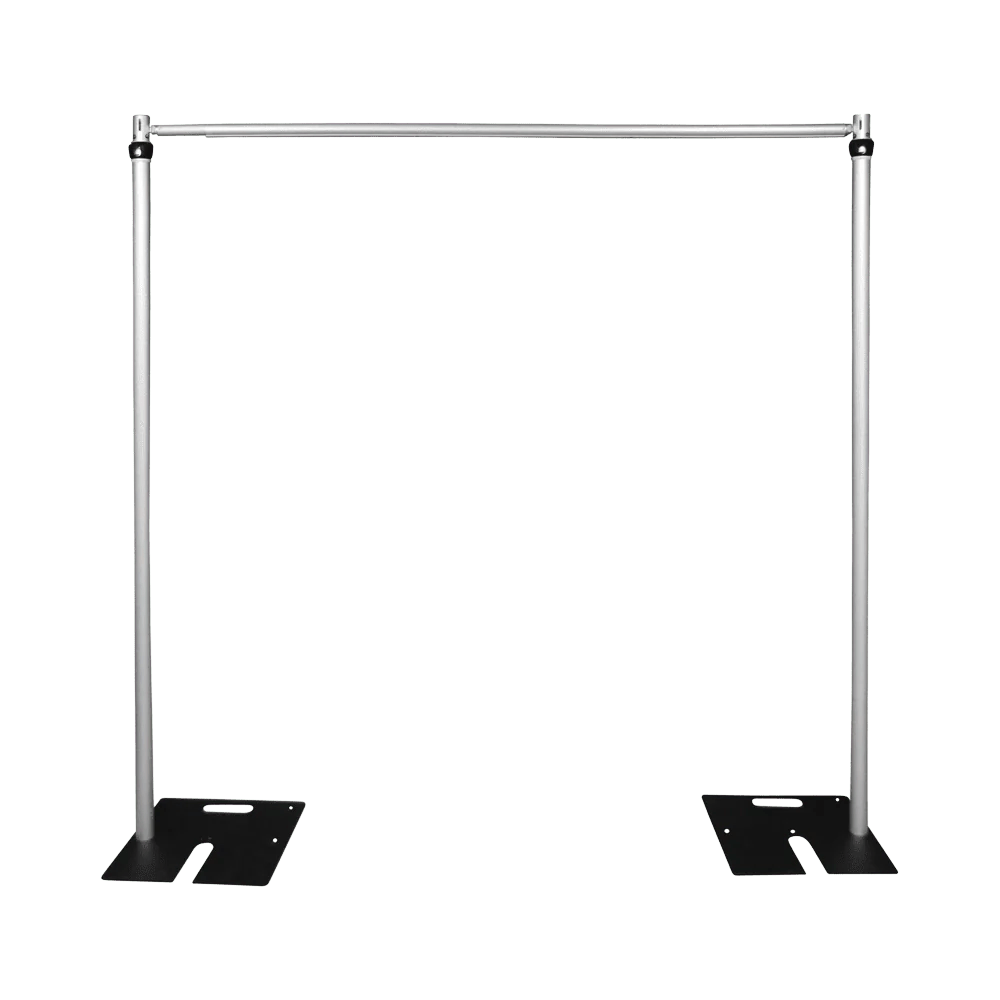
A pipe and drape system consists of three core components:
- Uprights (vertical poles)
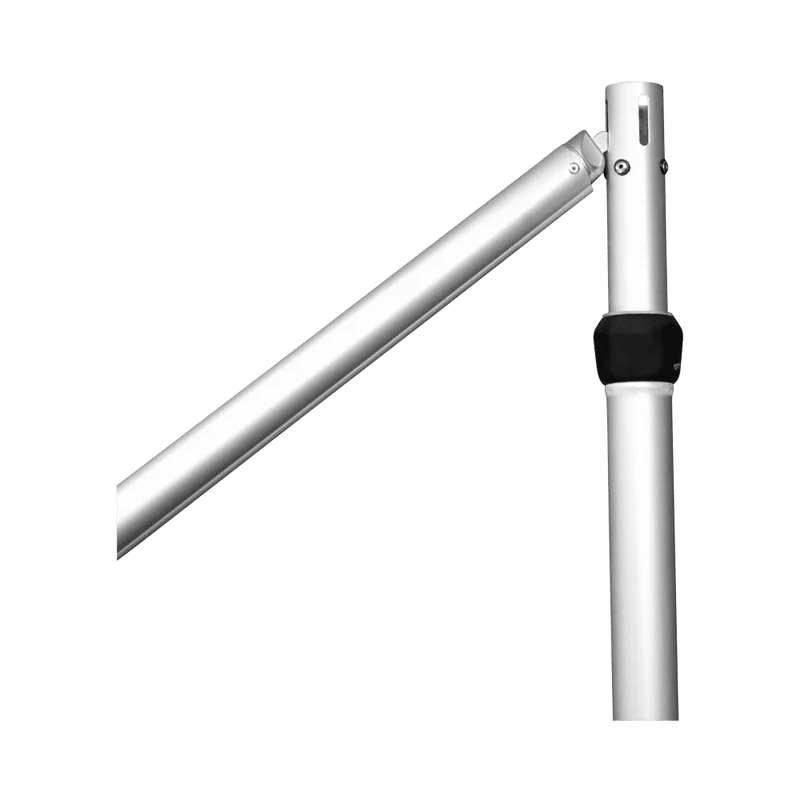
- Crossbars (horizontal support rods)
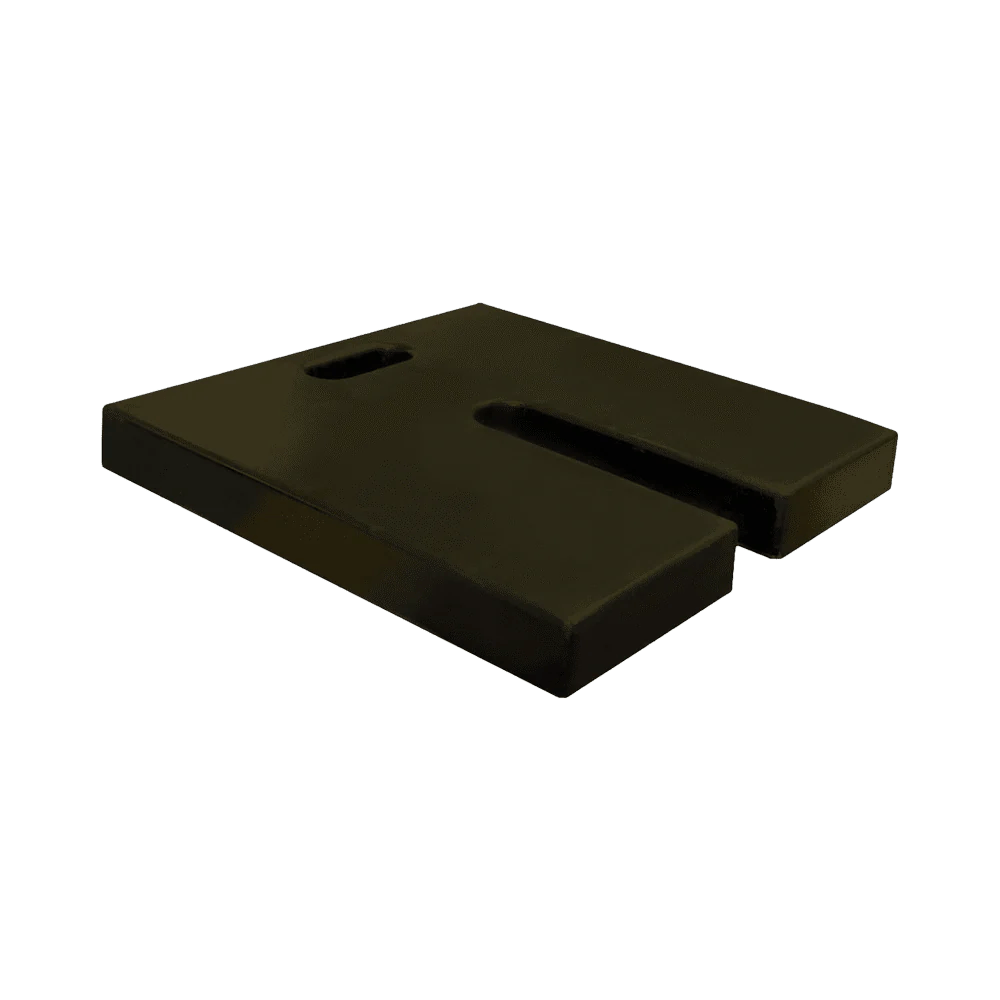
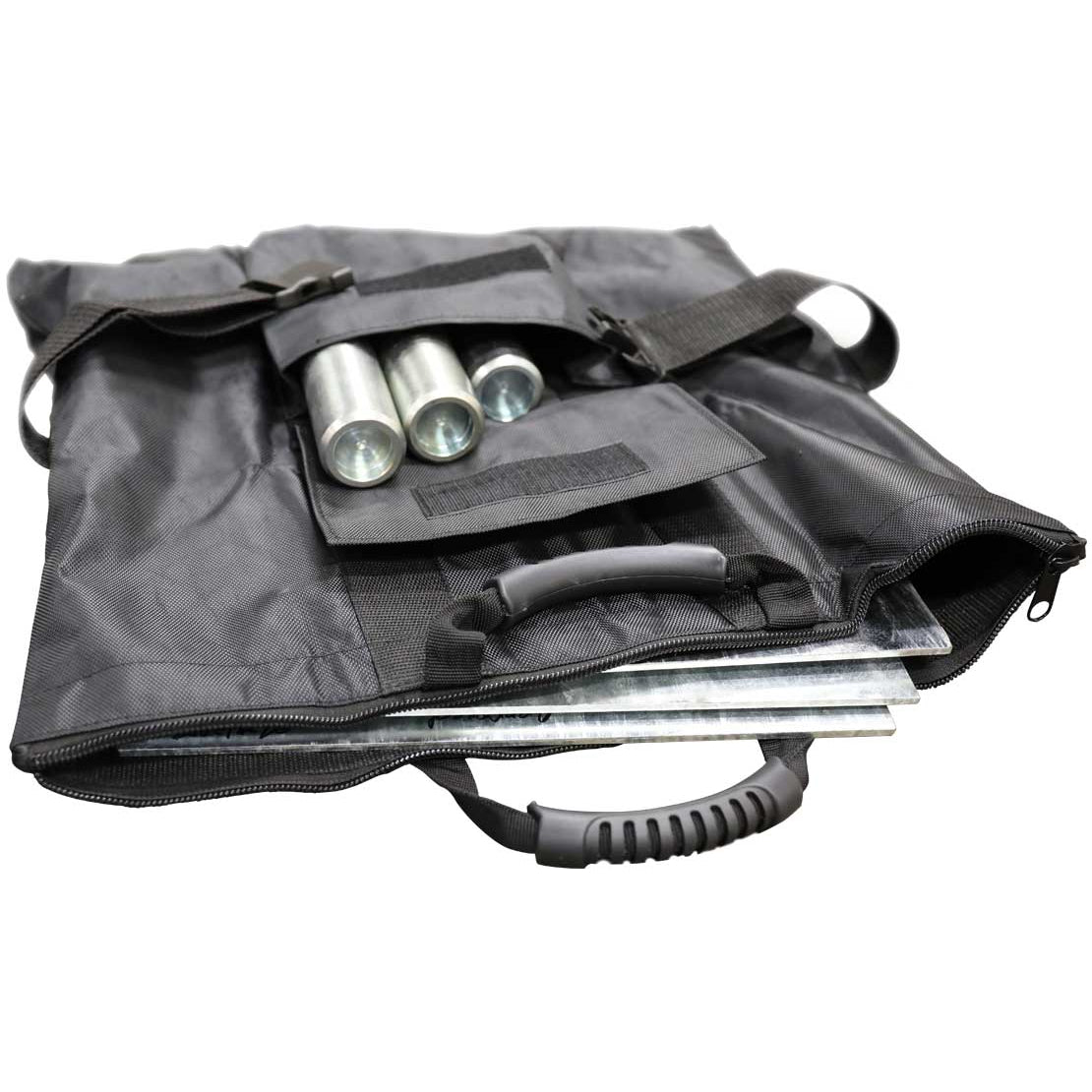
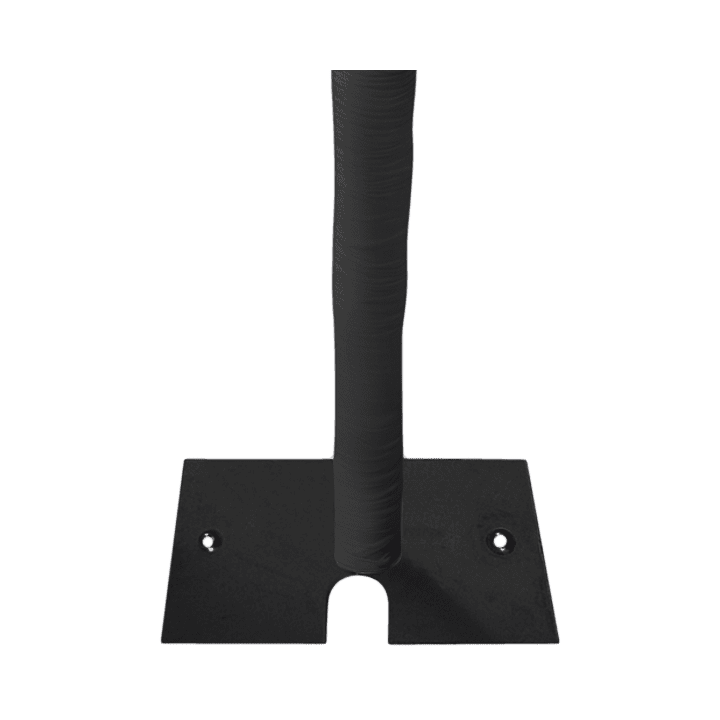
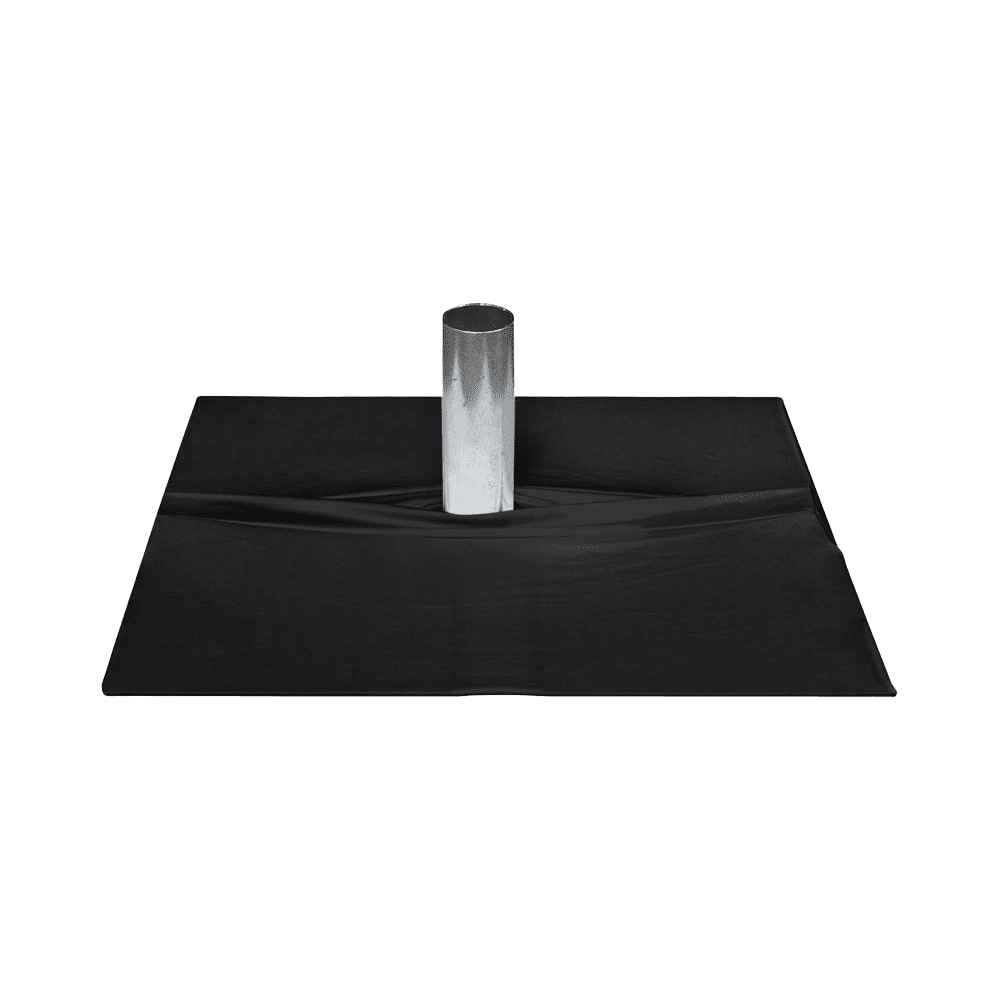
- Base plates (weighted bottom support)
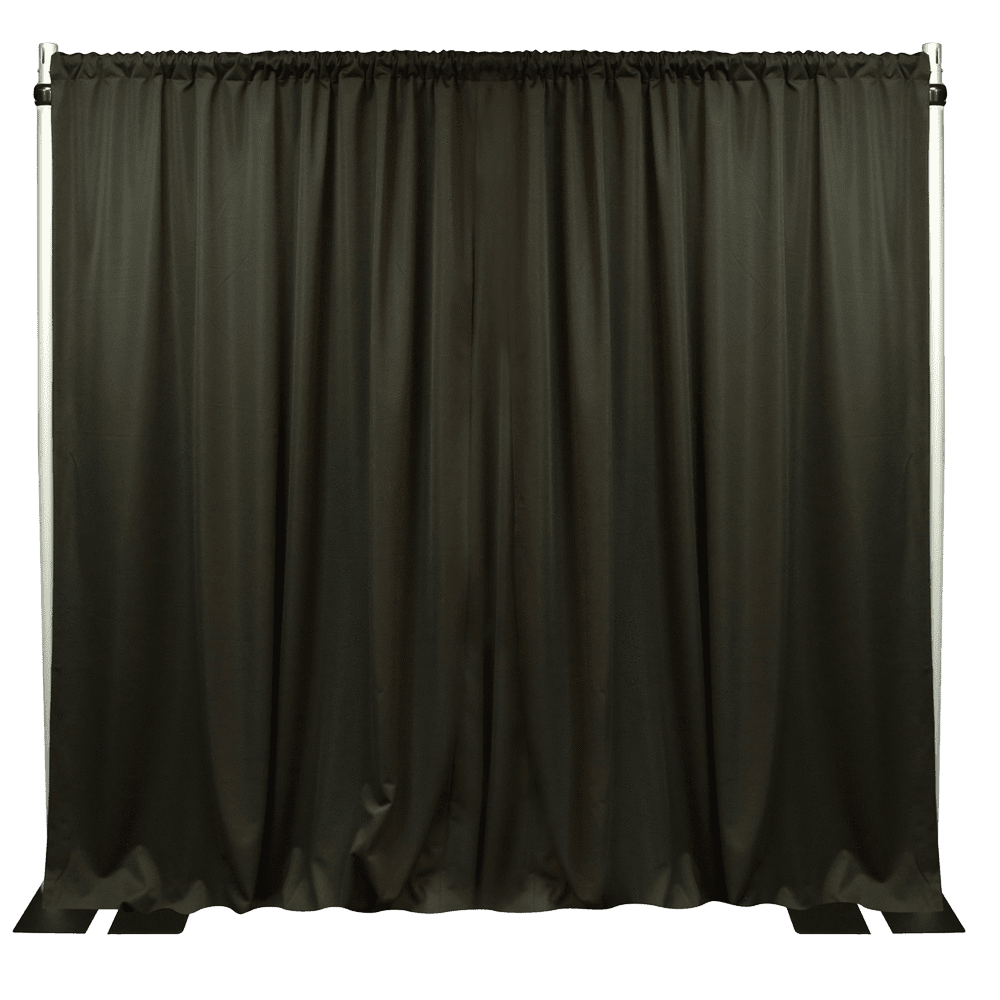
- Drape panels (fabric curtains)
These pieces connect to form a stable frame where fabric is hung to create walls, enclosures, or decorative backdrops.
The key advantage is flexibility. You can adjust height, width, and layout depending on your event space, making it one of the most widely used solutions in the event industry.
How Pipe and Drape Systems Work
The system is designed for quick setup and breakdown without tools.
Here’s how it works:
- Base plates are placed on the ground for stability
- Upright poles are inserted into the bases
- Crossbars connect between uprights
- Drape panels slide onto the crossbars
Once assembled, the structure forms a clean, professional-looking backdrop or partition.
This simplicity is why event pipe and drape setups are used in fast-paced environments like trade shows and conferences.
Common Uses of Pipe and Drape
1. Trade Show Booths
Pipe and drape is the standard for building booths at exhibitions. It helps define your space and create a branded environment.
2. Event Backdrops
Used behind stages, head tables, or photo areas to create a clean and polished look.
3. Space Division
Large venues can be divided into sections without permanent walls, ideal for weddings, conferences, and banquets.
4. Privacy Enclosures
Creates dressing rooms, backstage areas, or restricted zones.
5. Worship and Production Settings
Used for stage design, lighting control, and background aesthetics.
Types of Pipe and Drape Systems
Not all setups are the same. Choosing the right system depends on your use case.
Adjustable Pipe and Drape
- Most common type
- Height and width can be modified
- Ideal for events with changing layouts
Fixed Size Systems
- Pre-set dimensions
- Faster setup
- Best for repetitive use in the same space
Trade Show Kits
- Designed specifically for booths
- Often include standard 8’ height configurations
Backdrop Kits
- Lightweight and compact
- Used for photography, weddings, and small events
What Are Drape Panels Made Of?
The fabric you choose impacts both appearance and functionality.
Common materials include:
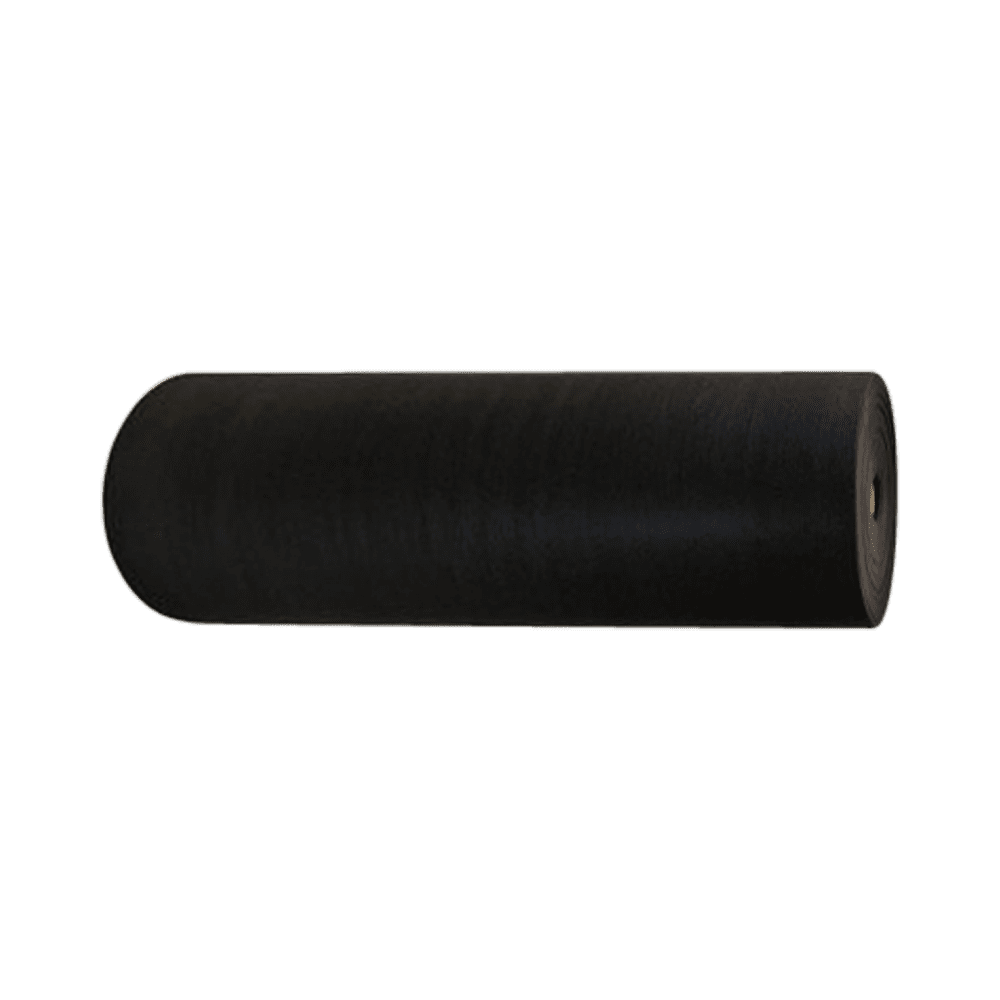
- Poly Premier – lightweight, affordable, and wrinkle-resistant
- Velour – thick, premium look with light-blocking properties
- Sheer Voile – decorative, often used for weddings
- Blackout Drapes – blocks light completely, ideal for stage use
Choosing the right drape depends on whether your priority is aesthetics, privacy, or light control.
Why Pipe and Drape Is So Popular
There’s a reason pipes and drapes are used across almost every type of event:
- Fast setup and teardown
- Reusable and cost-effective
- Highly customizable layouts
- No tools or permanent installation required
- Professional appearance in minutes
For event planners, venues, and rental companies, it’s one of the most practical infrastructure solutions available.
How to Choose the Right Pipe and Drape Setup
If you’re buying or renting, consider these factors:
1. Size of Your Space
Measure width and height requirements before choosing a system.
2. Purpose
- Booth → trade show kit
- Backdrop → backdrop kit
- Partition → full adjustable system
3. Fabric Type
Choose based on:
- Light blocking needs
- Aesthetic preference
- Budget
4. Frequency of Use
- One-time event → basic kit
- Regular use → invest in durable hardware
Pipe and Drape vs Permanent Structures
|
Feature |
Pipe and Drape |
Permanent Walls |
|
Setup Time |
Minutes |
Days/Weeks |
|
Flexibility |
High |
None |
|
Cost |
Low |
High |
|
Reusability |
Yes |
No |
For temporary setups, pipe and drape is the clear winner.
Final Thoughts
A pipe and drape system is one of the simplest yet most powerful tools in event setup. Whether you’re creating a backdrop, dividing space, or building a booth, it delivers flexibility, speed, and a professional finish without the complexity of permanent structures.
If you’re new to event setup, starting with a basic system is often enough. As your needs grow, you can expand into more advanced configurations, fabrics, and accessories.
FAQs
What is pipe and drape used for?
Pipe and drape is used to create temporary walls, backdrops, booths, and partitions for events, trade shows, and venues.
Is pipe and drape easy to set up?
Yes. Most systems require no tools and can be assembled in minutes.
Can pipe and drape be reused?
Yes. It’s designed for repeated use, making it cost-effective for event companies.
What size pipe and drape should I choose?
It depends on your space. Adjustable systems are best if you need flexibility.
Looking to get started
Explore our full range of pipe and drape systems, kits, hardware, and drape panels designed for events, trade shows, and venues across the U.S.


