
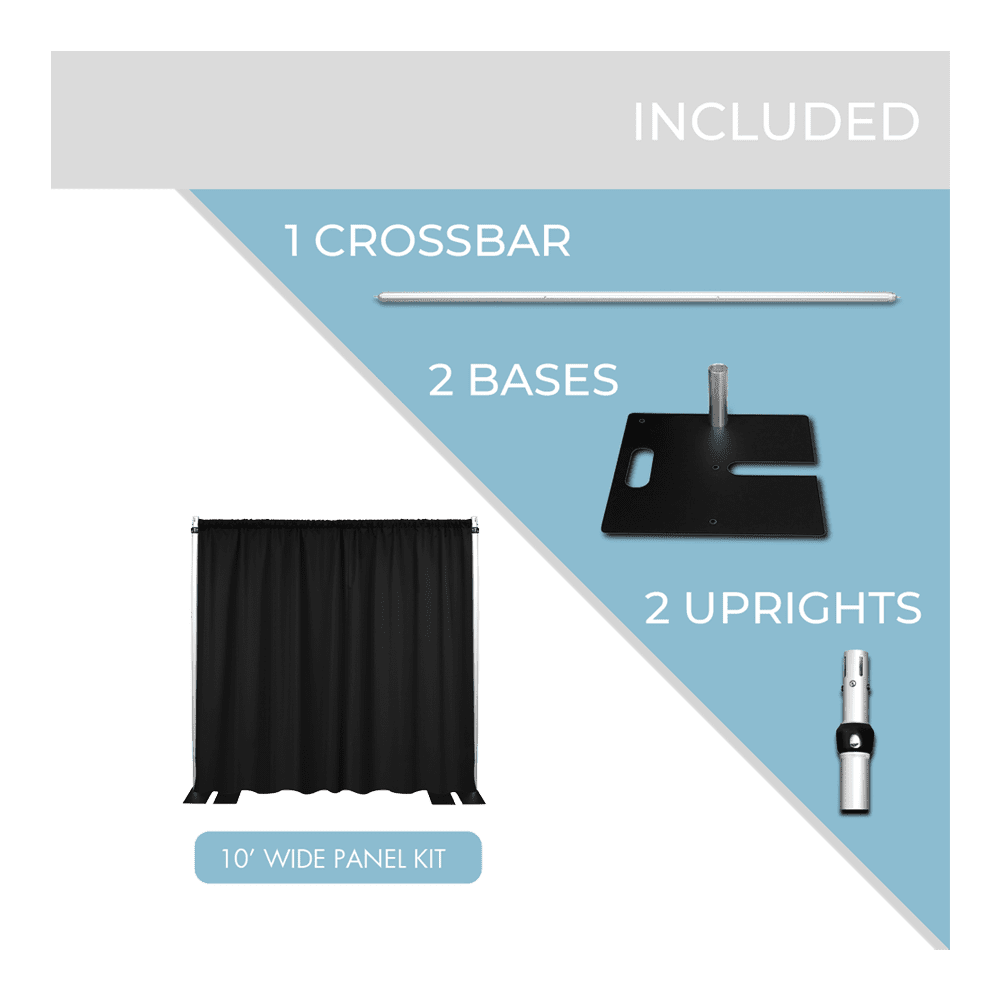
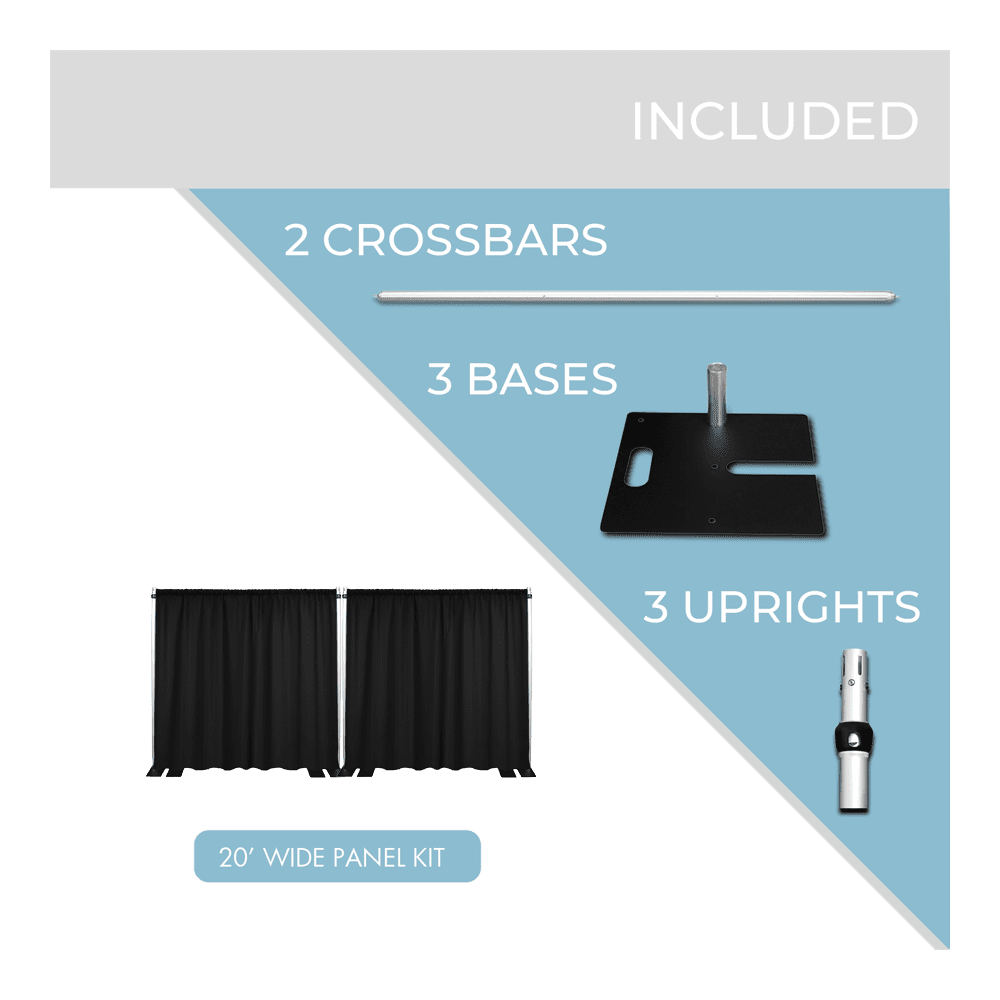
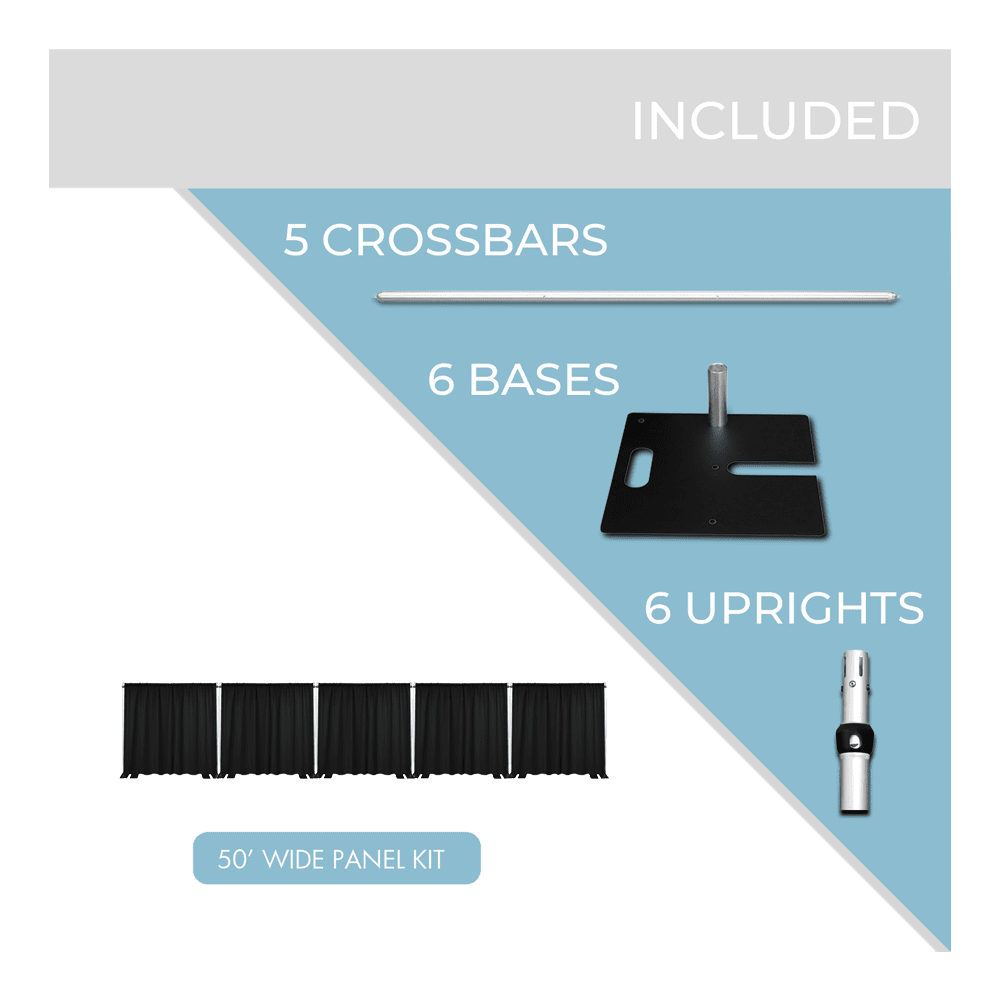
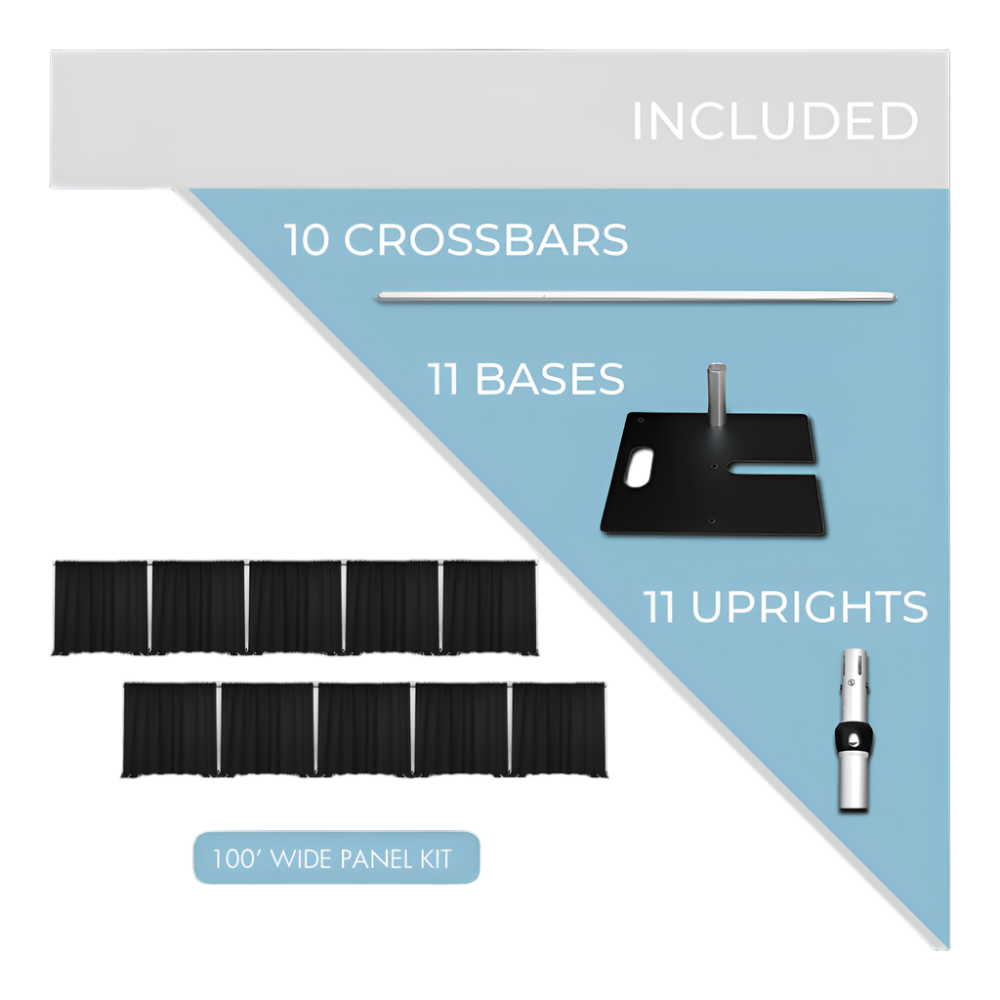






Large event spaces often present a unique challenge: too much open area can make an event feel unstructured, while poor layout can affect flow, privacy, and overall experience. This is where pipe and drape systems become one of the most effective tools for event planning.
Whether you're organizing a wedding, corporate function, or private event, using a pipe and drape enclosure allows you to divide space quickly, cleanly, and professionally - without any permanent construction.
This guide explains how to use pipe and drape systems to create functional, visually appealing layouts that enhance both the look and usability of your event space.
Why Space Division Matters in Events
Dividing space isn’t just about aesthetics - it directly impacts how guests experience the event.
A well-structured layout helps:
- Create defined areas for different activities
- Improve guest flow and navigation
- Add privacy where needed
- Enhance the overall atmosphere
Without proper division, even large venues can feel disorganized. Using pipe and drape systems allows you to control space efficiently while maintaining flexibility.
What Is a Pipe and Drape Enclosure?
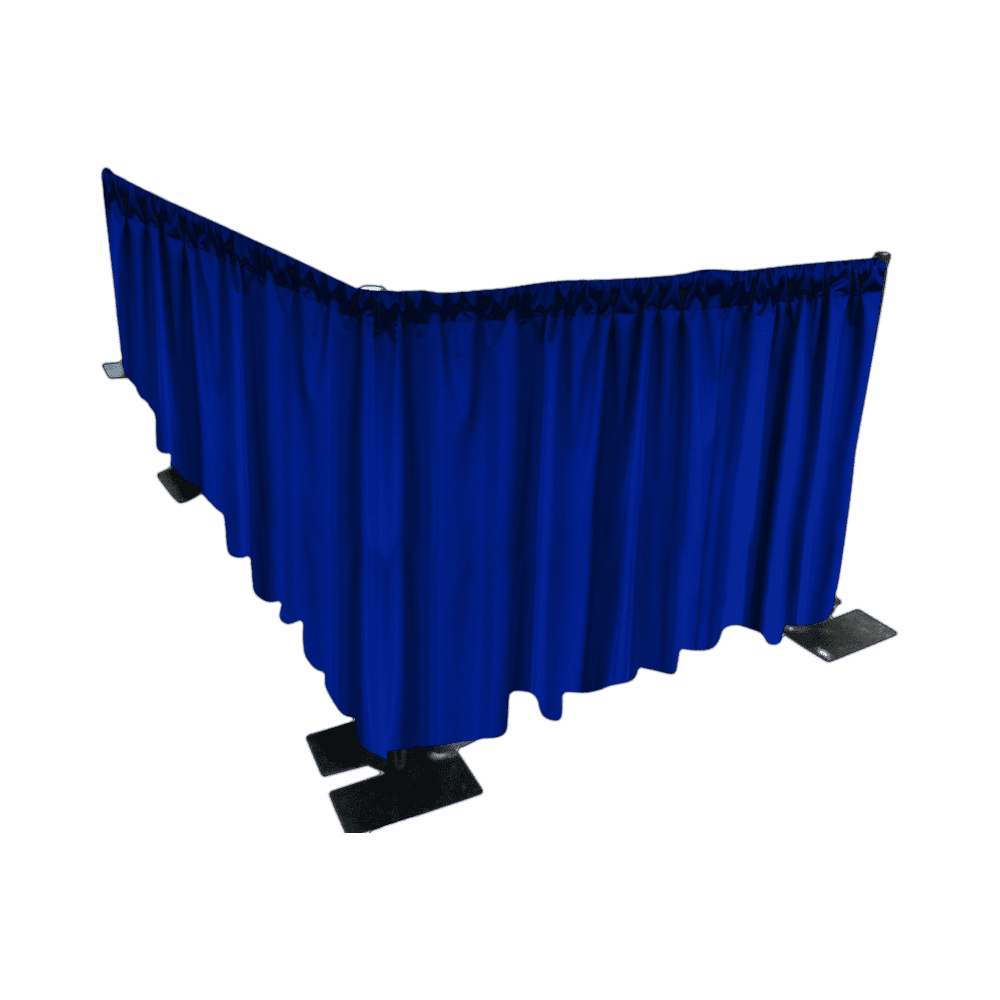
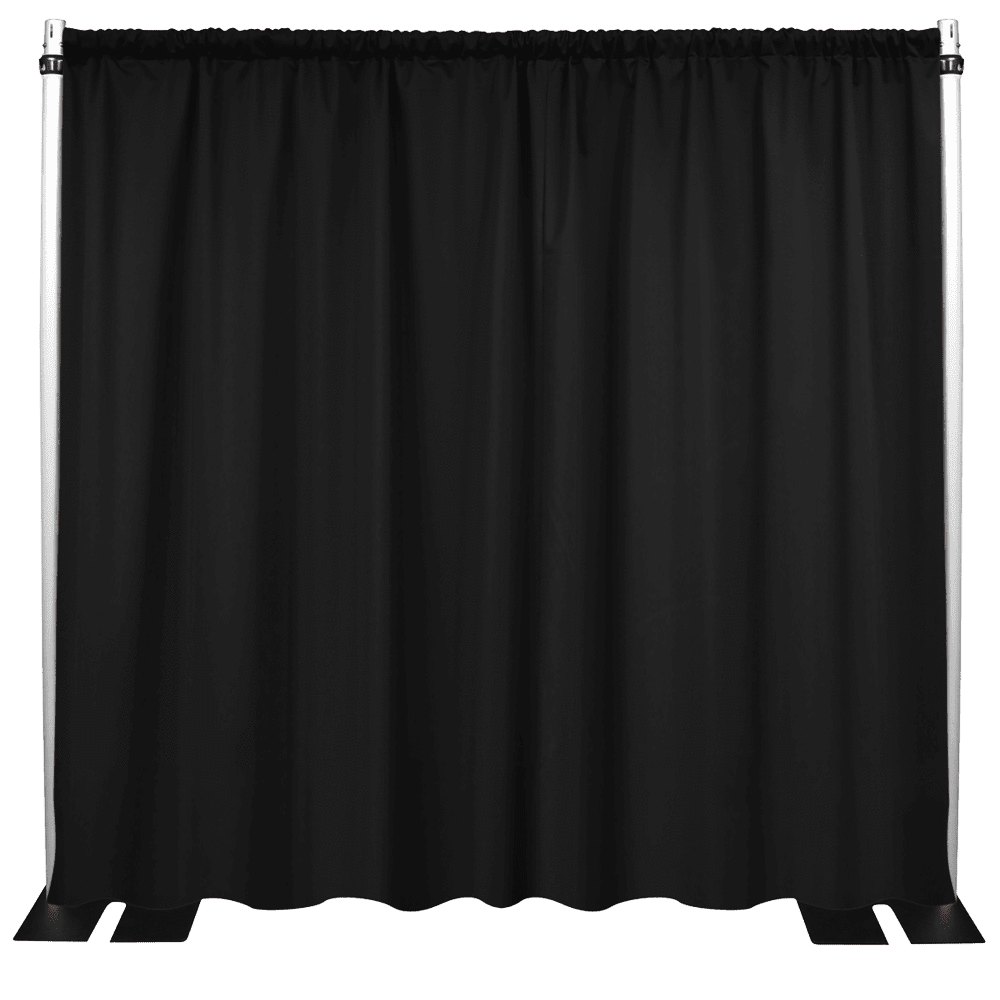
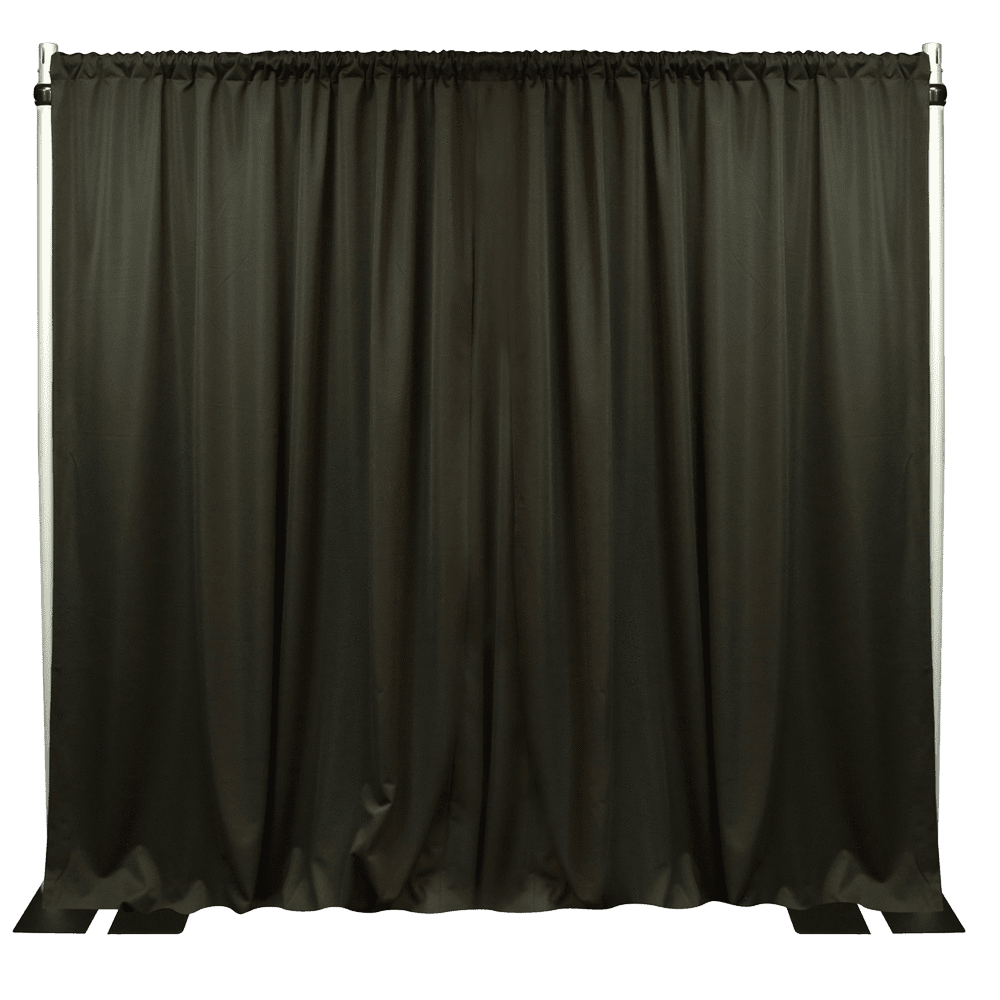
A pipe and drape enclosure is created by connecting multiple sections of pipe and drape to form a defined boundary or partition.
This can be used to:
- Separate ceremony and reception areas
- Create private sections within a venue
- Build enclosed spaces like dressing rooms
- Divide large halls into smaller, functional zones
Because the system is modular, it can be adjusted to fit different layouts and venue sizes.
Types of Spaces You Can Create
One of the biggest advantages of pipe and drape systems is their versatility.
Common Layout Applications:
-
Wedding ceremony backdrops
Separate the ceremony area from the rest of the venue -
Reception zones
Define dining, dance, and lounge areas -
Private enclosures
Create dressing rooms or VIP sections -
Event partitions
Divide large venues into smaller, manageable sections -
Vendor or service areas
Hide catering, storage, or backstage zones
Using a pipe and drape enclosure allows you to customize these spaces based on the event’s needs.
Planning Your Space Division Layout
Before installing your setup, it’s important to plan your layout carefully.
Key Considerations:
- Total venue size and dimensions
- Number of sections you want to create
- Entry and exit points
- Guest movement and flow
A well-planned layout ensures your pipe and drape systems enhance the event rather than restrict it.
Choosing the Right Pipe and Drape System
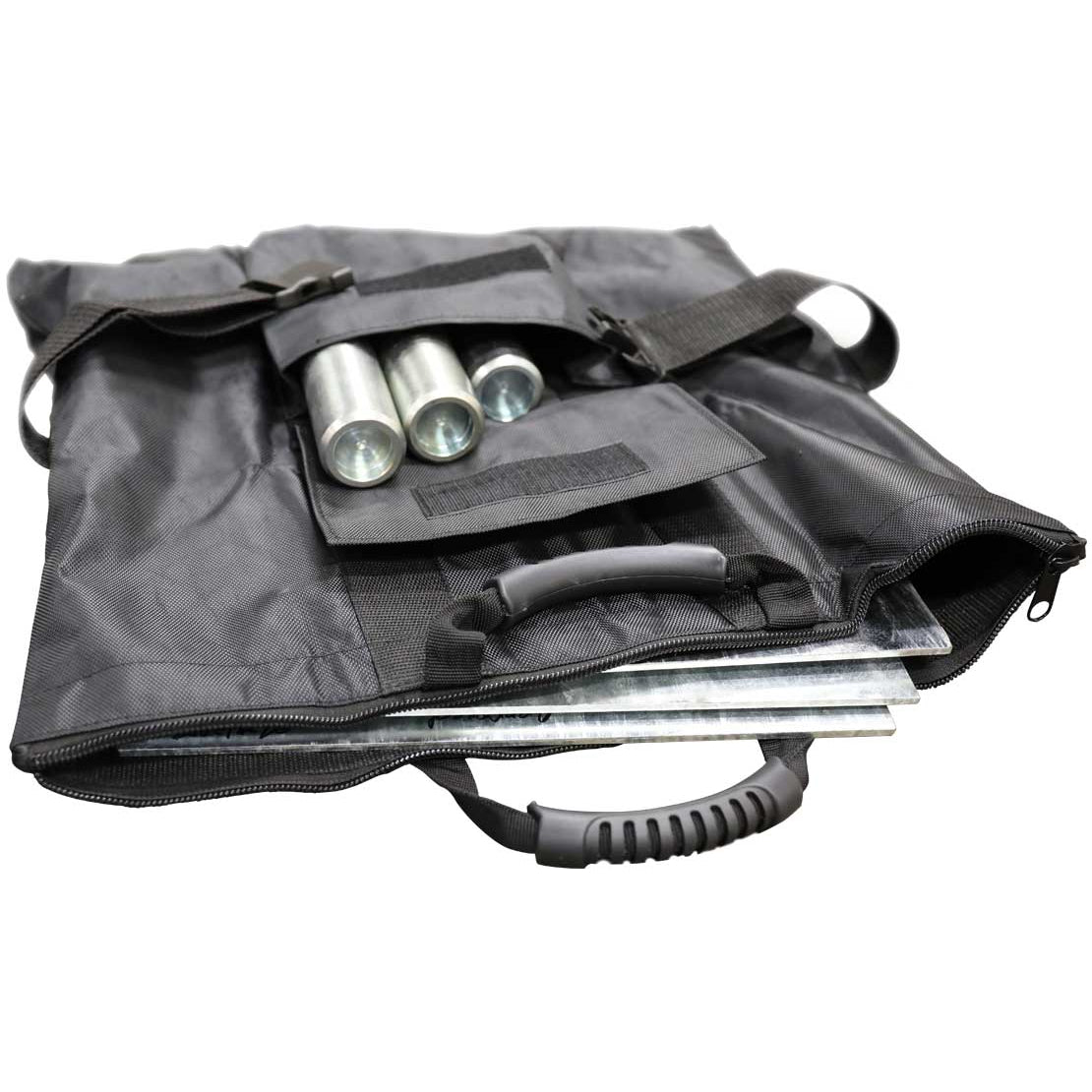
Not all systems are suited for large-scale space division. You need components that provide both flexibility and stability.
What to Look For:
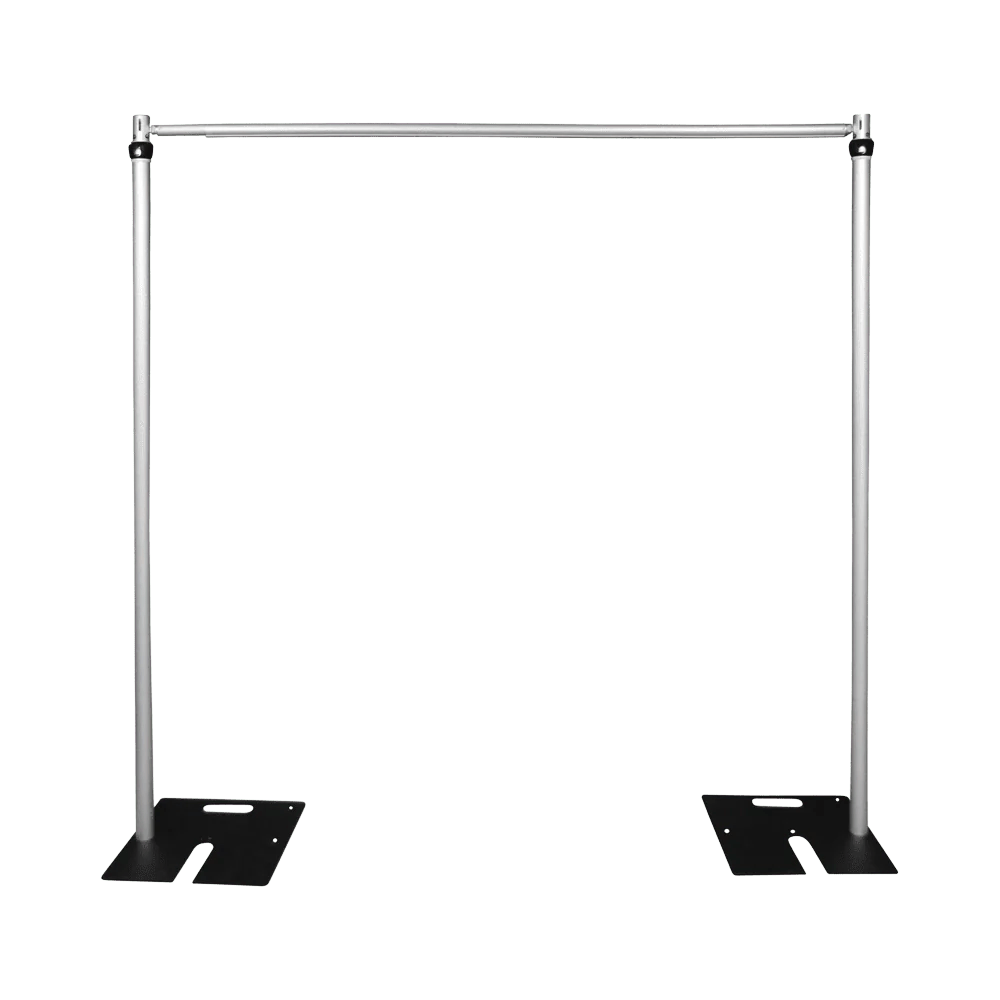
- Adjustable uprights for height flexibility
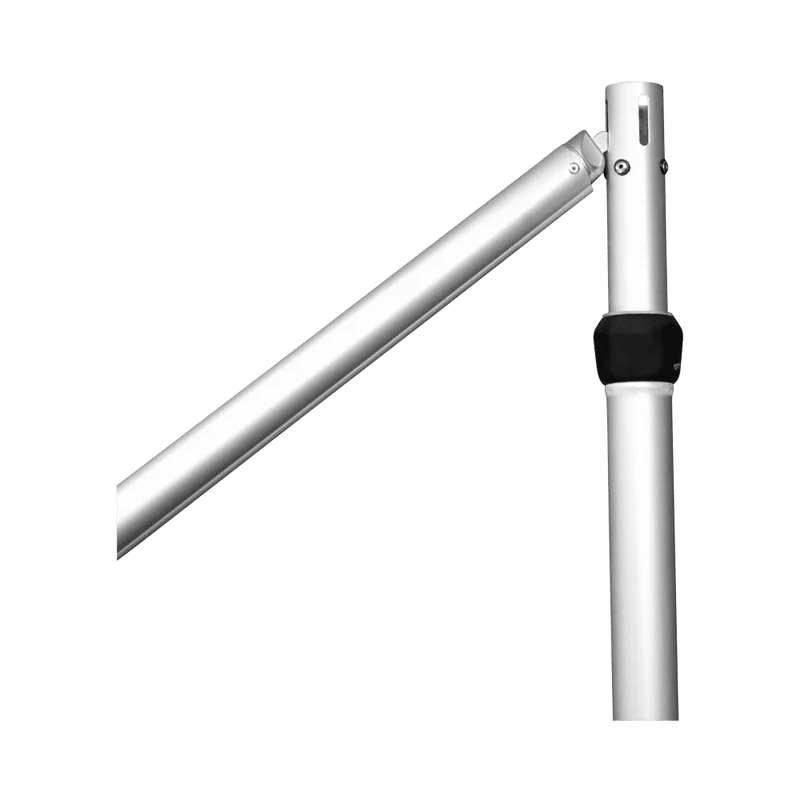
- Expandable crossbars for wider spans
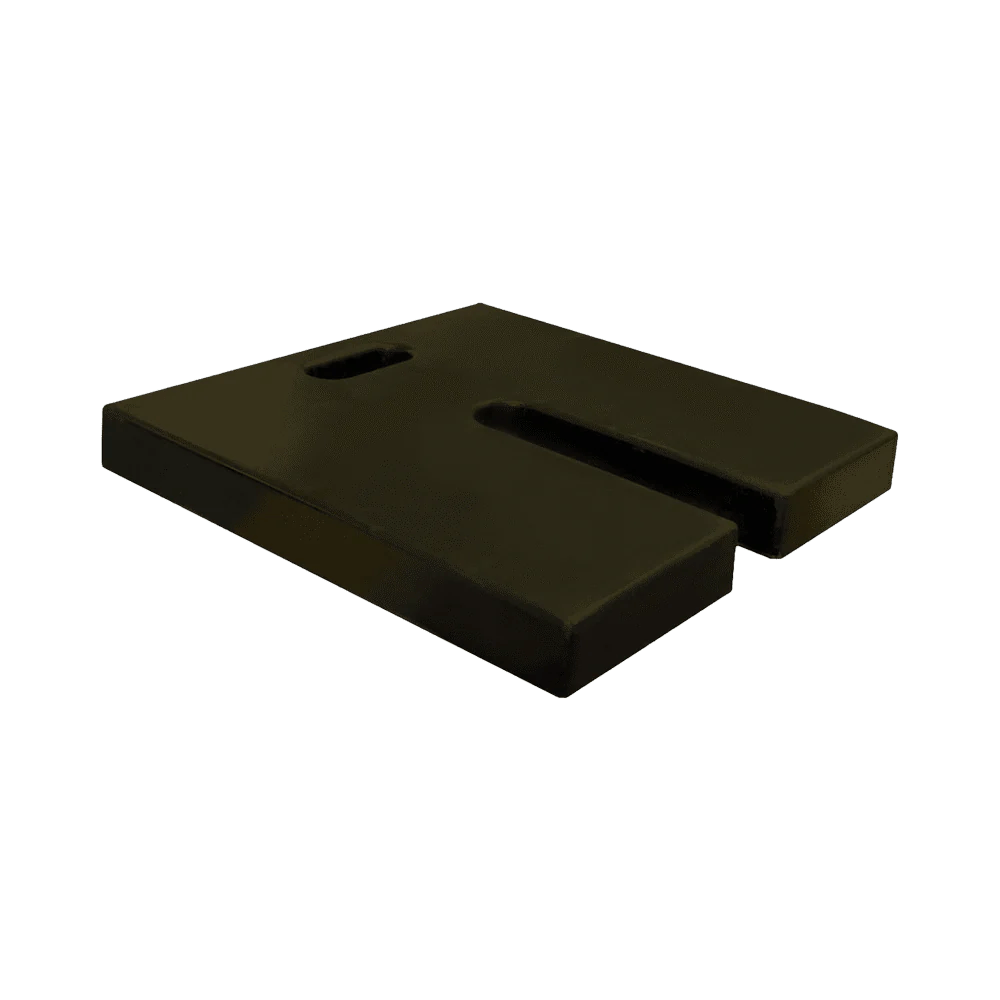
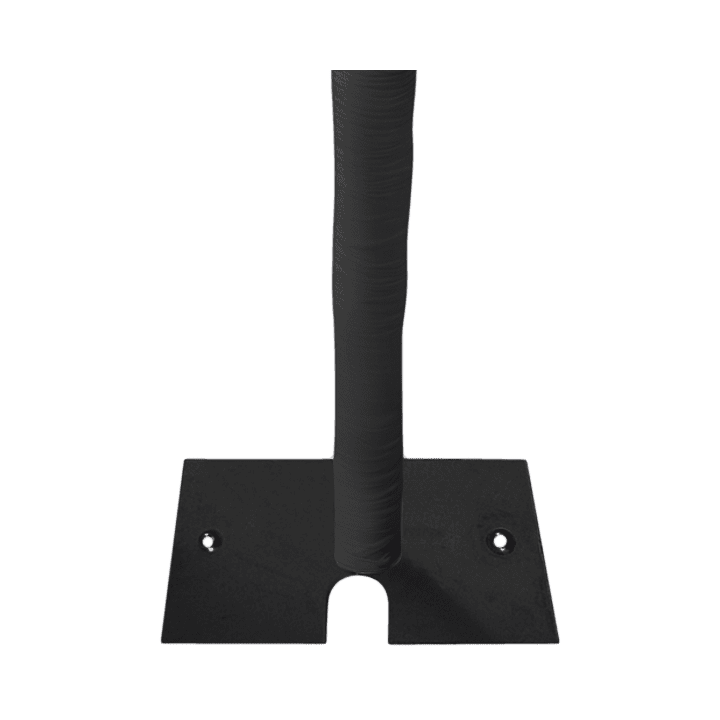
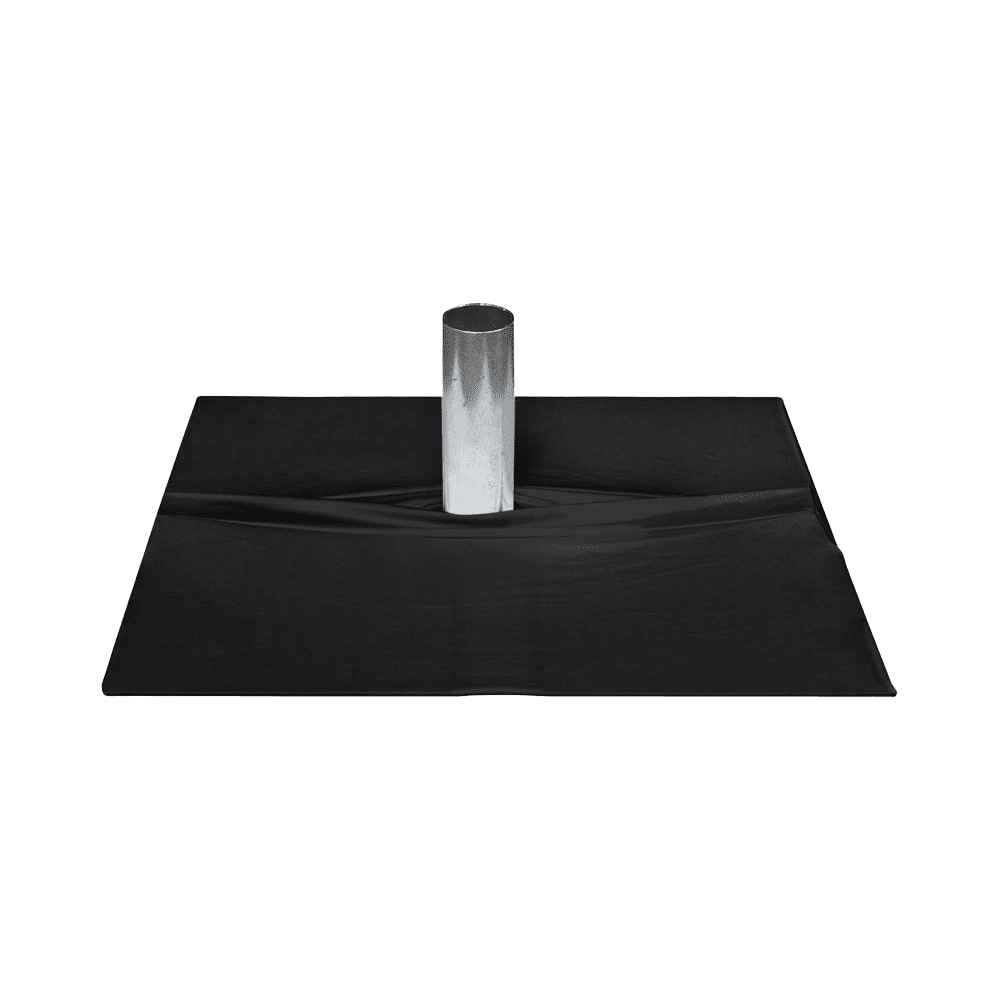
- Heavy base plates for stability
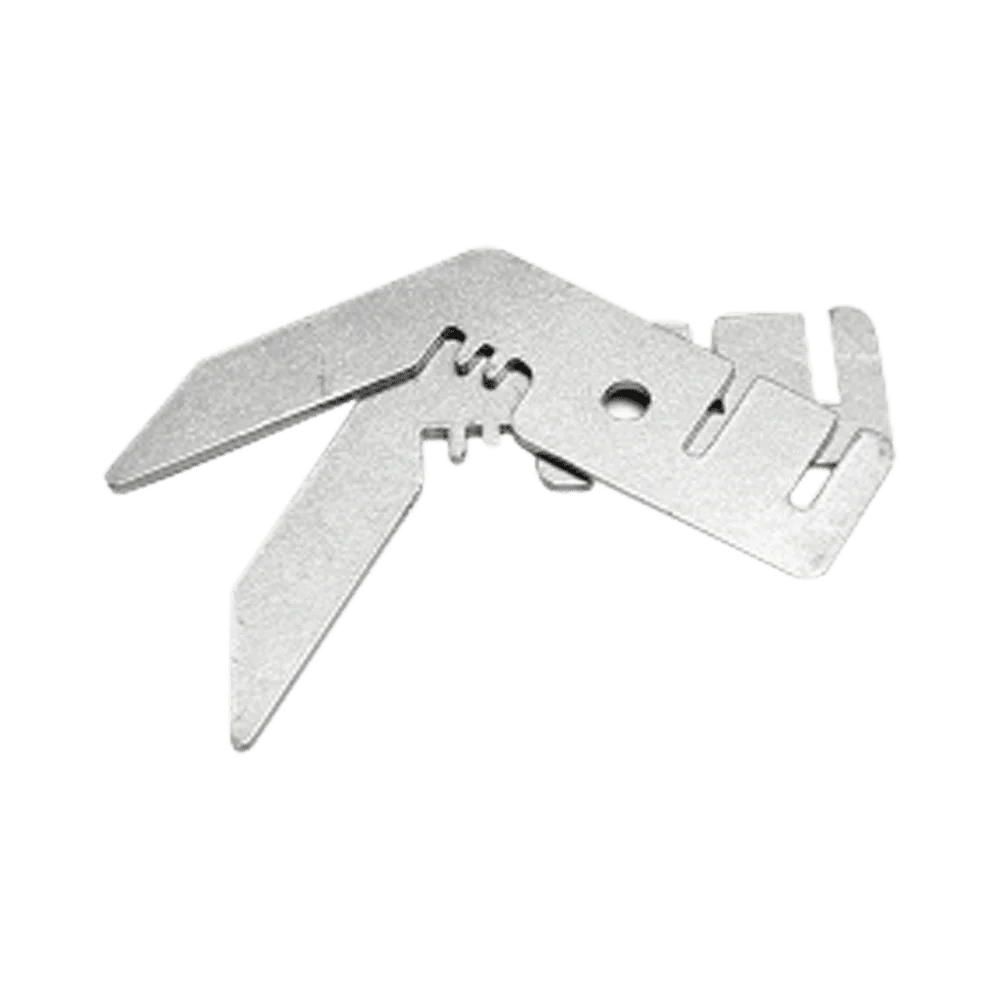
- Durable hardware for repeated use
An adjustable system is usually the best choice when creating a pipe and drape enclosure across different event types.
Step-by-Step: Dividing Space Using Pipe and Drape Systems
Once your layout is planned, you can begin setting up your partitions.
Step 1: Mark the Layout
Identify where each section will be placed.
- Mark boundaries for each zone
- Plan openings for entrances
- Ensure symmetry where needed
This step sets the foundation for your pipe and drape systems.
Step 2: Position Base Plates
Place base plates along the marked layout.
- Keep spacing consistent
- Use heavier bases for larger sections
- Ensure the floor is stable and level
Proper placement ensures your pipe and drape enclosure remains secure.
Step 3: Install Uprights
Insert uprights into each base plate.
- Adjust height as needed
- Keep all uprights aligned
- Double-check stability
This creates the vertical structure for your setup.
Step 4: Attach Crossbars
Connect crossbars between uprights.
- Extend to match section width
- Lock securely in place
- Ensure everything is level
This step forms the framework for your partition.
Step 5: Add Drape Panels
Attach drape panels across the structure.
- Distribute fabric evenly
- Add fullness for better coverage
- Adjust folds for a clean look
At this stage, your pipe and drape enclosure begins to take shape.
Step 6: Final Adjustments
Review the entire setup.
- Check alignment and spacing
- Smooth out wrinkles
- Ensure all sections are stable
Your divided space should now look organized and professionally designed.
Choosing the Right Fabric for Space Division
The type of fabric you use affects both functionality and appearance.
Fabric Options:
-
Poly Premier
Lightweight and cost-effective -
Velour
Thick and ideal for privacy and light blocking -
Sheer Drapes
Decorative and suitable for open, elegant designs
How to Choose:
- Use heavier fabrics for privacy
- Use lighter fabrics for decorative separation
- Match colors to your event theme
The right fabric enhances the effectiveness of your pipe and drape systems.
Common Mistakes to Avoid
Even simple layouts can fail if not planned correctly.
Avoid These Mistakes:
- Blocking natural traffic flow
- Using insufficient hardware for large spaces
- Choosing fabric that doesn’t provide enough coverage
- Ignoring symmetry and alignment
Proper planning ensures your pipe and drape enclosure works both visually and functionally.
Benefits of Using Pipe and Drape Systems for Space Division
Compared to permanent structures, pipe and drape offers several advantages:
- Quick setup and removal
- Reusable across multiple events
- Flexible configurations
- Cost-effective solution
These benefits make pipe and drape systems a preferred choice for event planners and venues.
Final Thoughts
Using pipe and drape systems to divide space is one of the most practical and efficient ways to organize events. Whether you're creating private enclosures, defining zones, or enhancing the overall layout, the system provides flexibility without compromising on appearance.
A well-designed pipe and drape enclosure can transform even the largest venues into structured, functional, and visually appealing spaces. With the right planning and setup, you can create layouts that improve both guest experience and event flow.
FAQs
What are pipe and drape systems used for?
They are used to create partitions, backdrops, and enclosures for events and venues.
What is a pipe and drape enclosure?
It is a setup that uses pipe and drape systems to create enclosed or divided spaces.
Can pipe and drape systems be used for weddings?
Yes. They are commonly used to divide ceremony and reception areas or create decorative backdrops.
What fabric is best for dividing space?
Velour is best for privacy, while lighter fabrics work well for decorative separation.
Are pipe and drape systems reusable?
Yes. They are designed for repeated use across different events.
If you're planning a wedding or event, using pipe and drape systems to divide space can significantly improve both layout and functionality. From creating a structured pipe and drape enclosure to enhancing visual flow, the right setup allows you to design flexible and professional environments without permanent changes. As your event needs evolve, investing in adaptable systems makes it easier to create consistent, well-organized spaces for any occasion.


