
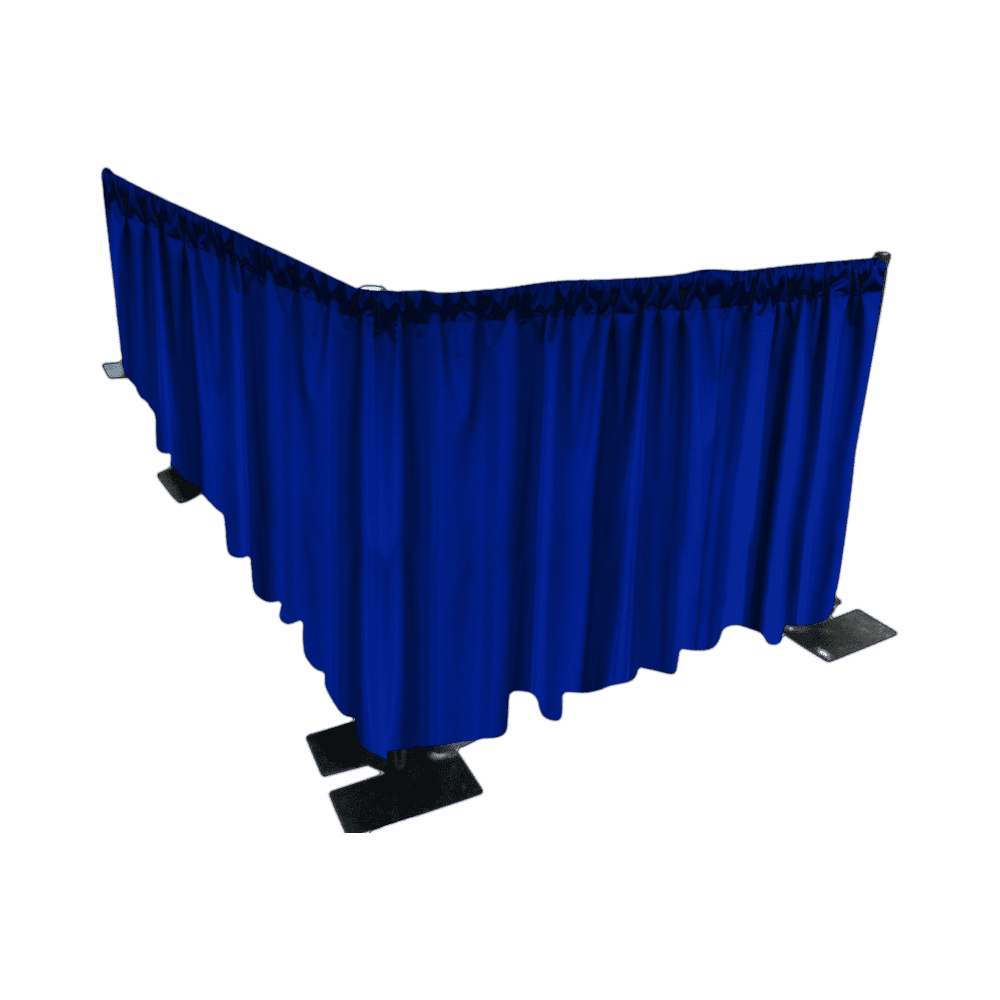





When people think about pipe and drape systems, they often focus on the fabric or overall setup. But the real foundation of any successful installation lies in the pipe and drape hardware.
From stability to flexibility, every component - whether it’s uprights, base plates, or crossbars (poles) - plays a critical role in how your setup performs. Choosing the right hardware doesn’t just affect how your backdrop looks; it determines how secure, adaptable, and reliable your entire system will be.
This guide breaks down each part of pipe and drape hardware, how they work together, and what you actually need depending on your setup.
What Is Pipe and Drape Hardware?
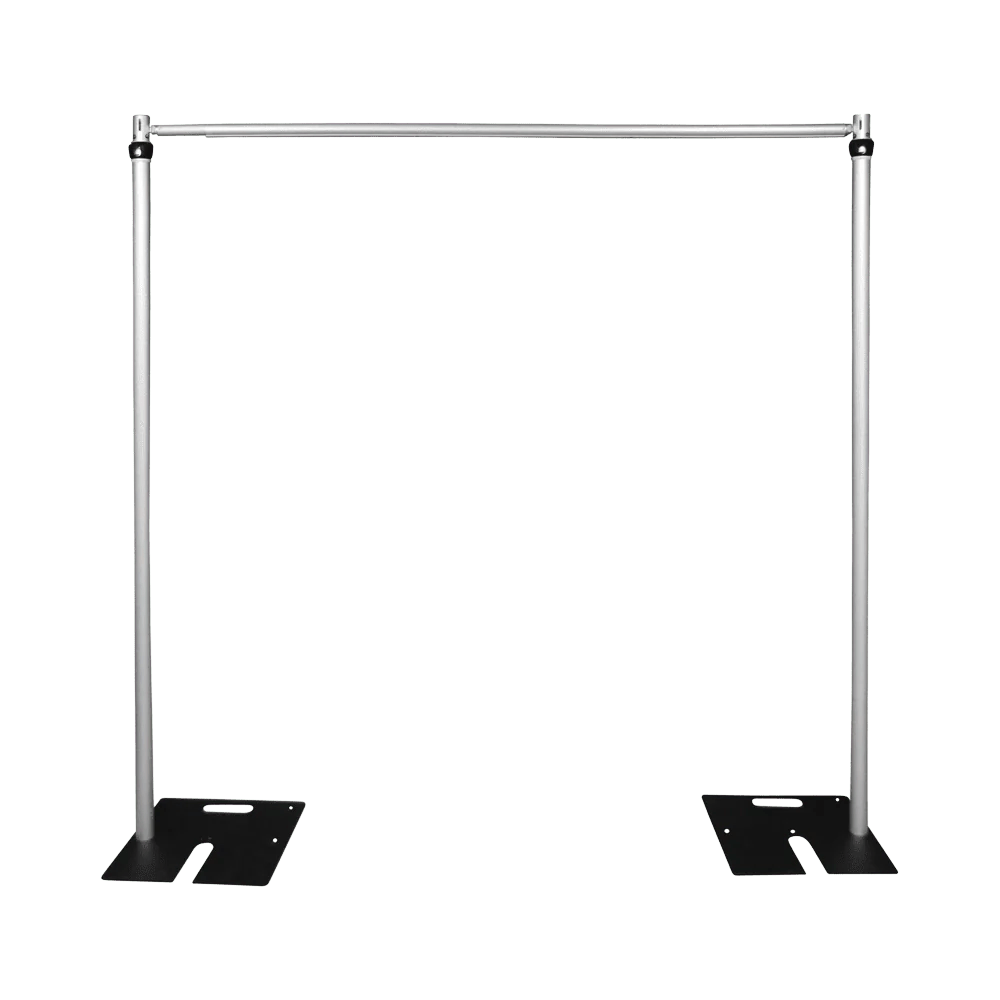
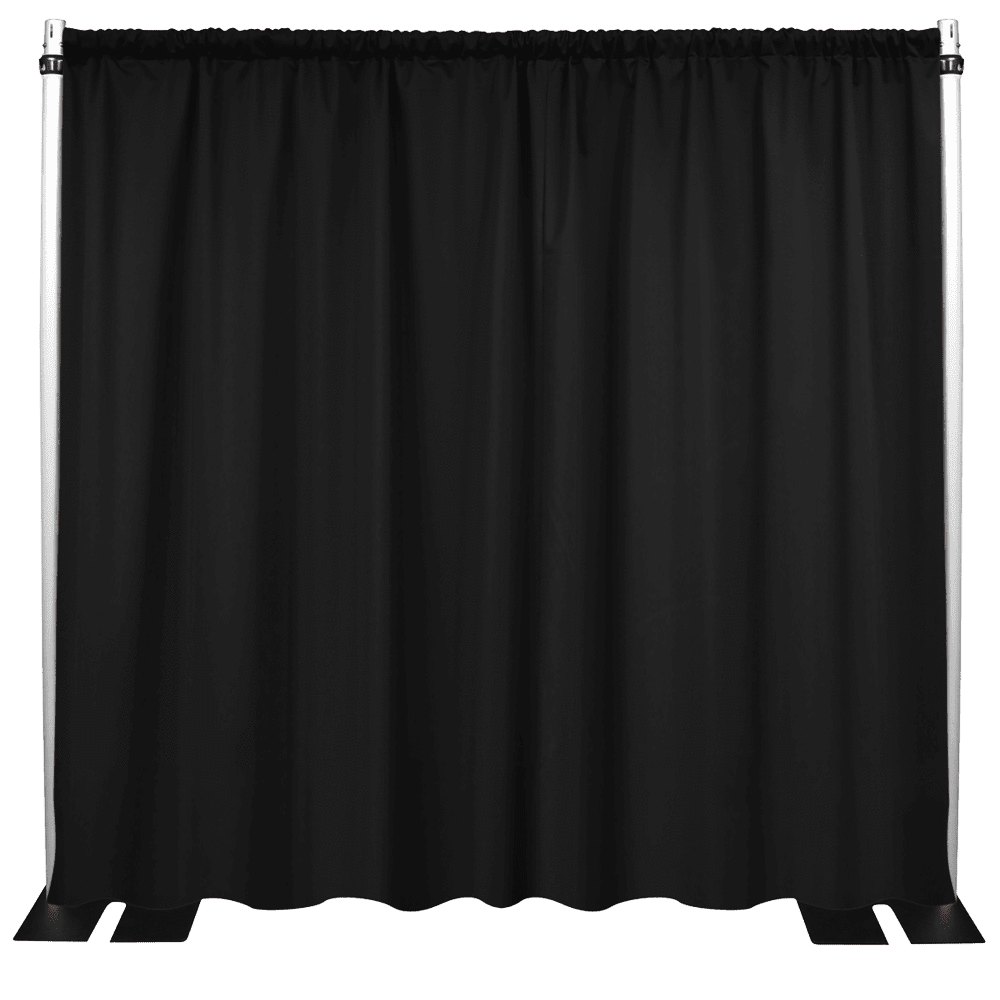
Pipe and drape hardware refers to the structural components that support the drape system. These parts create the frame that holds everything together and ensures your setup remains stable.
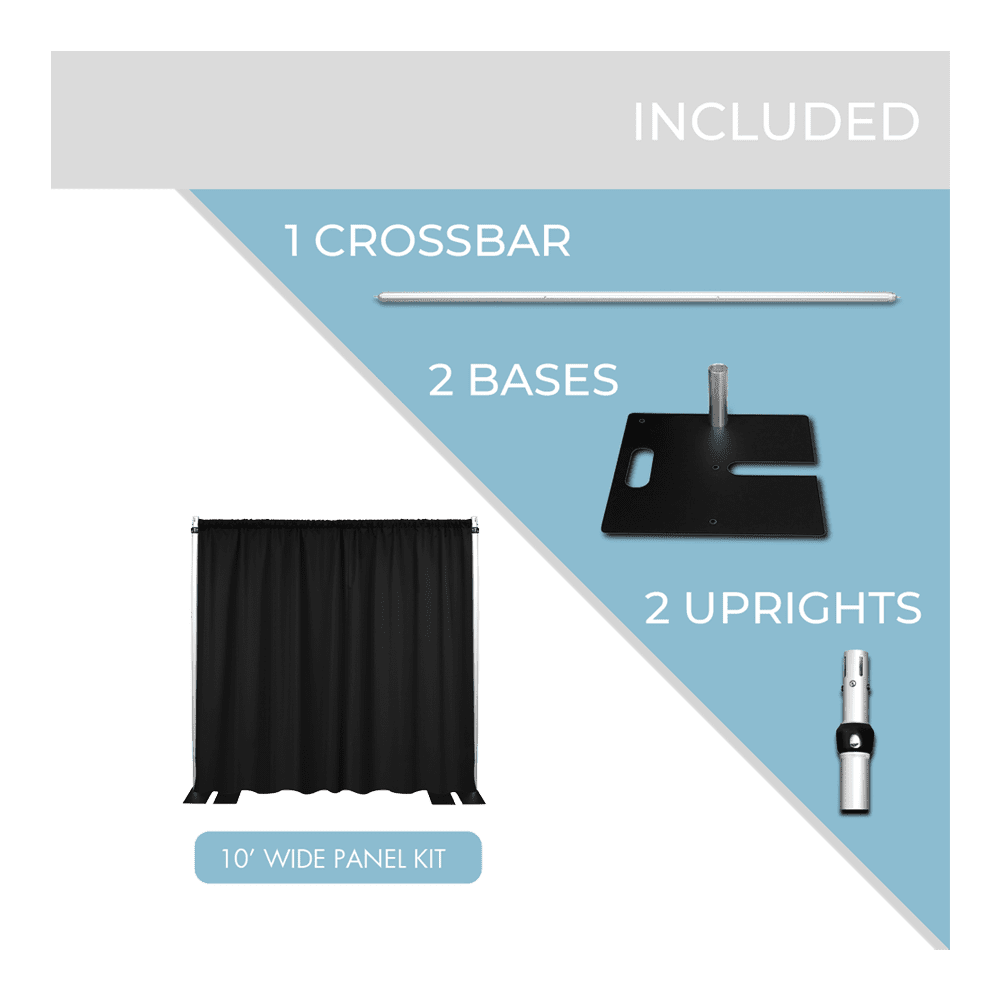
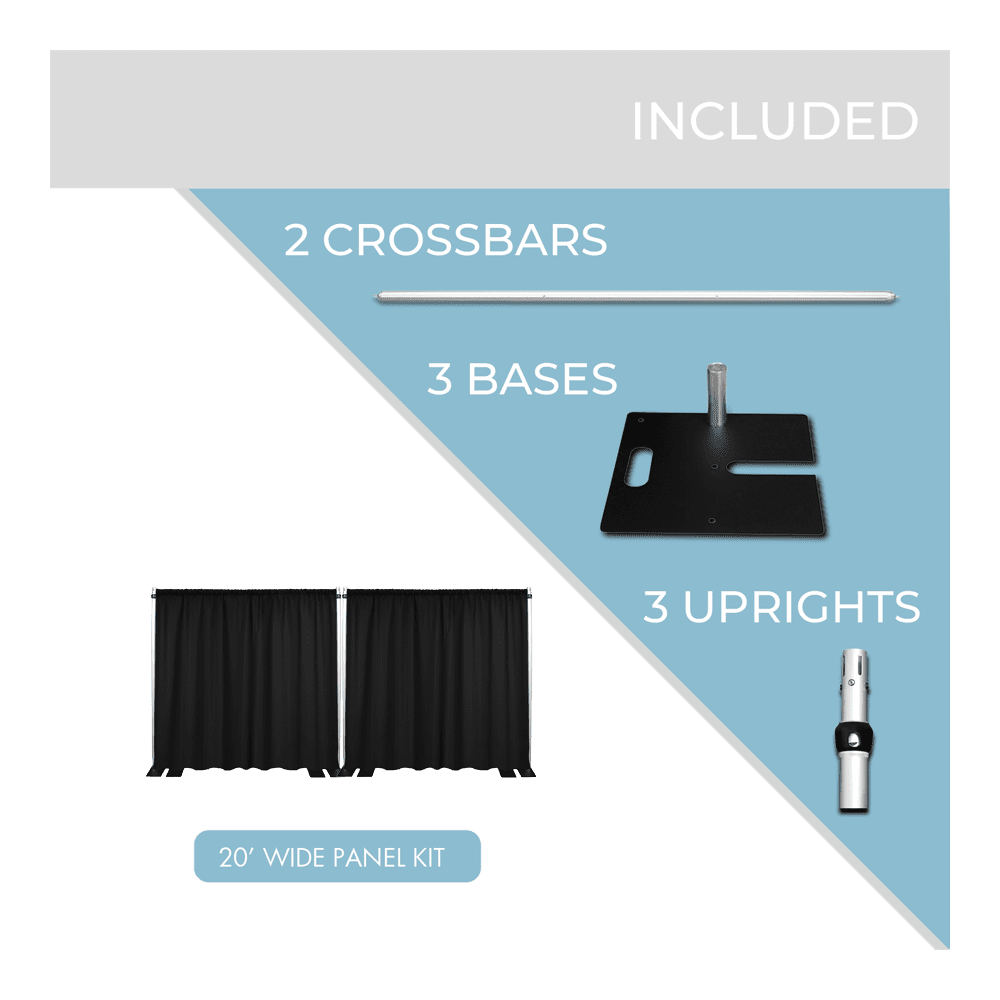
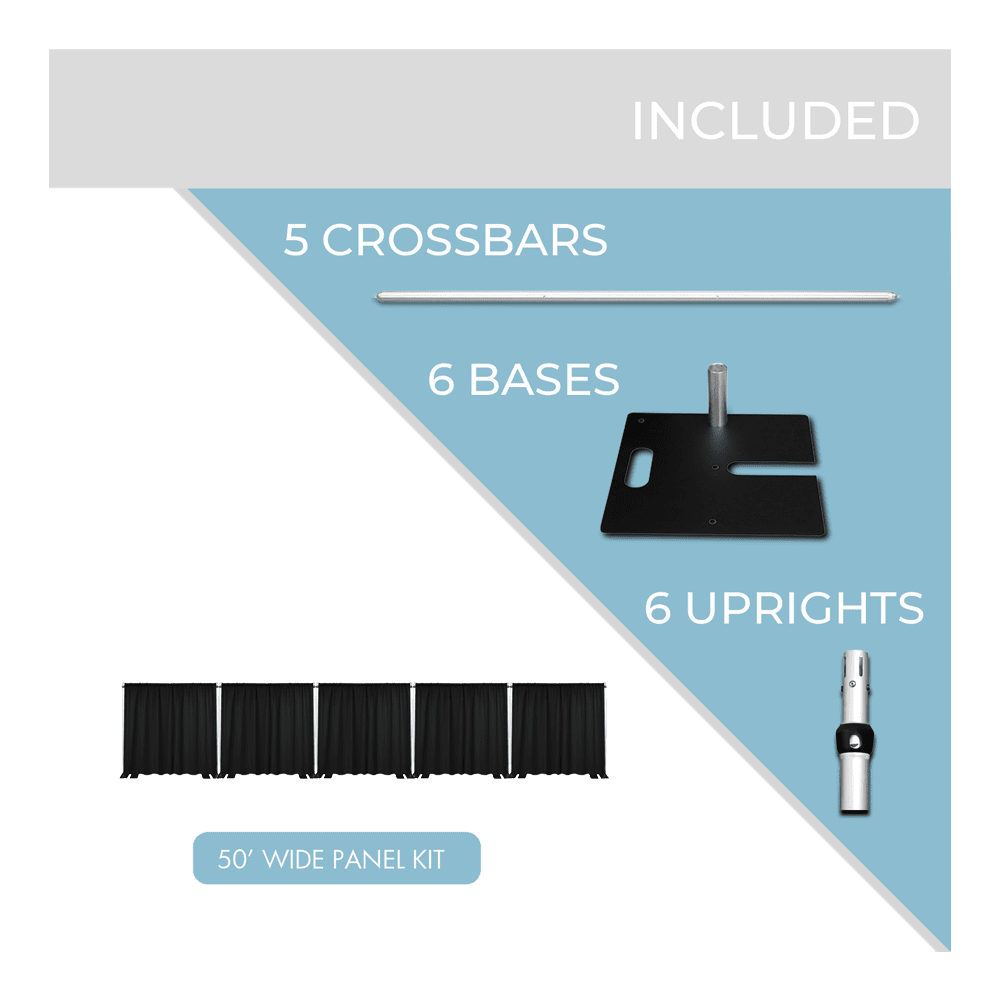
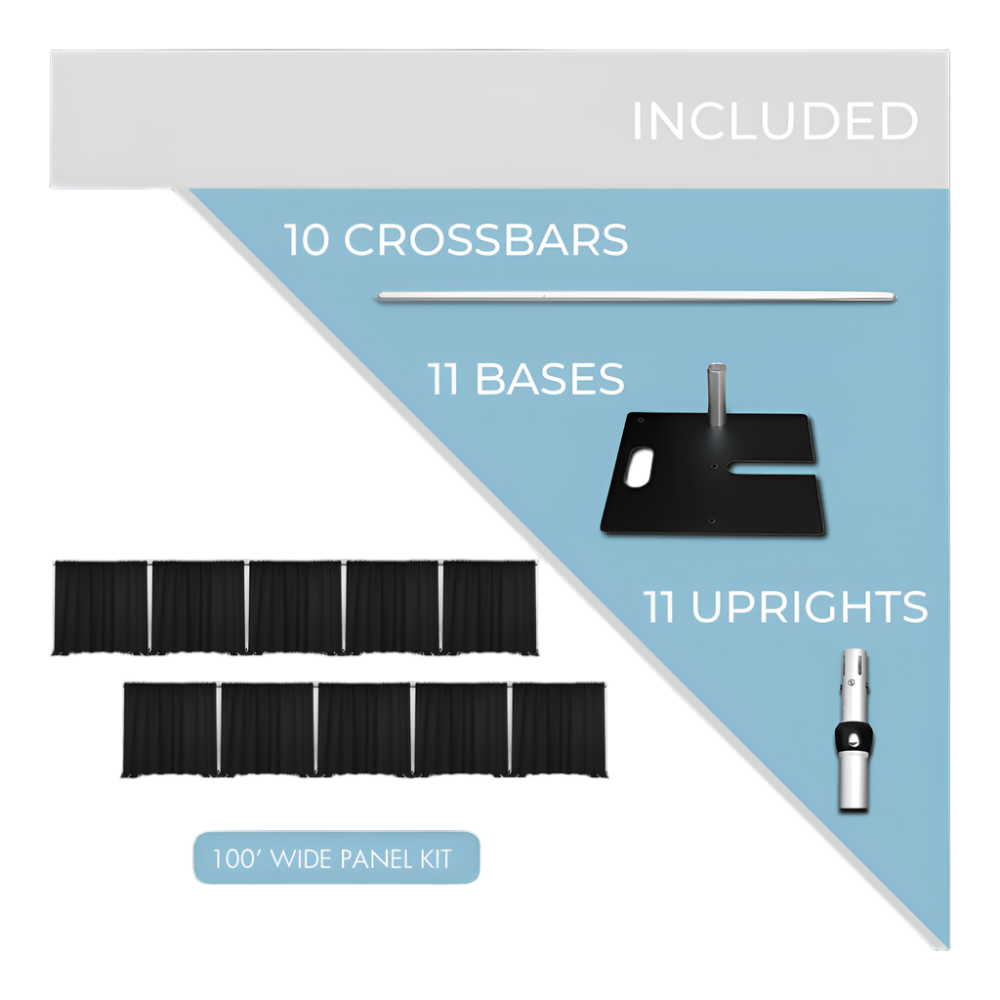
The main hardware components include:
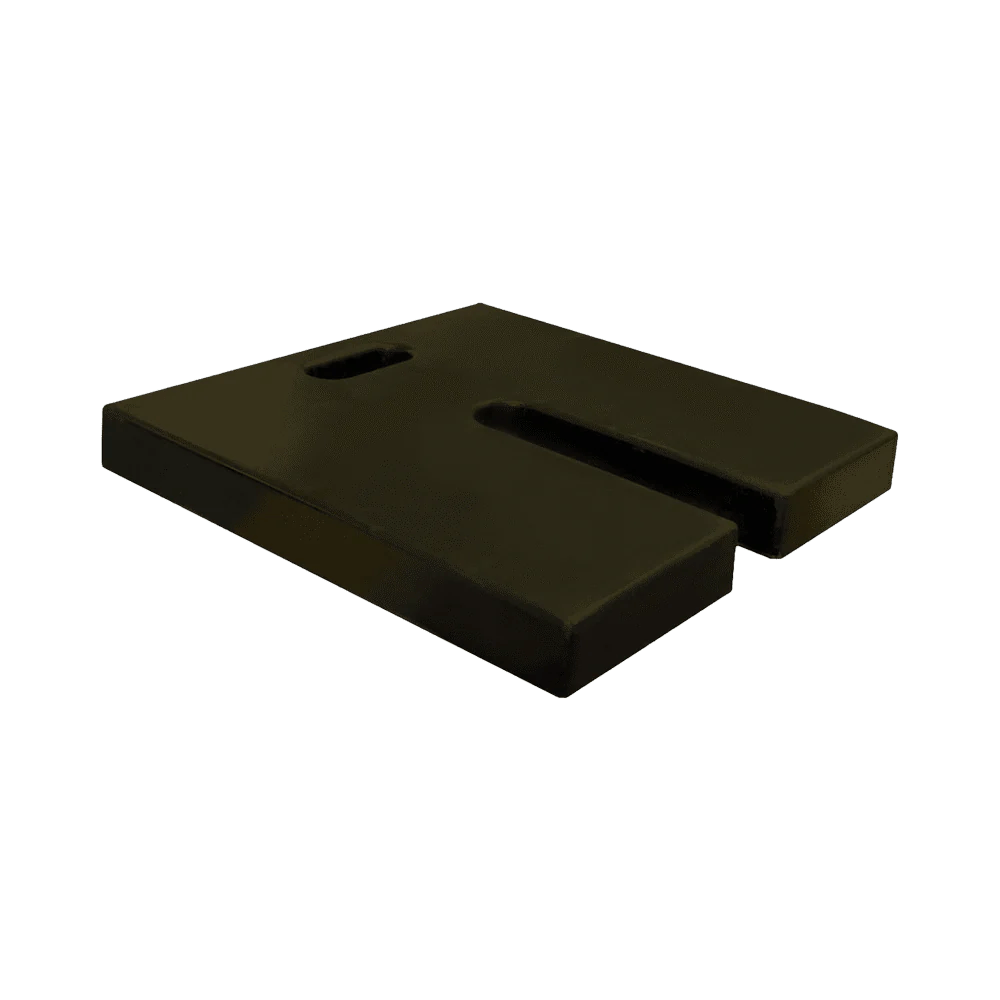
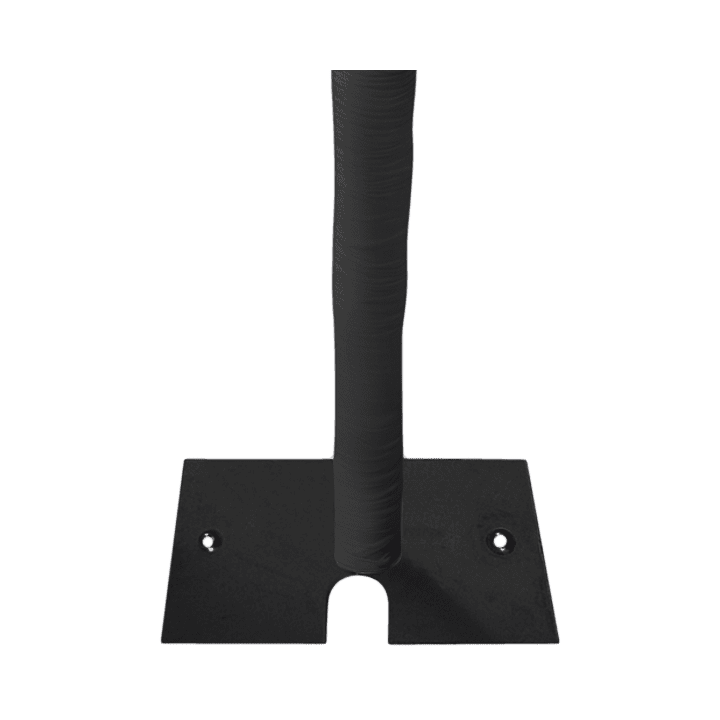
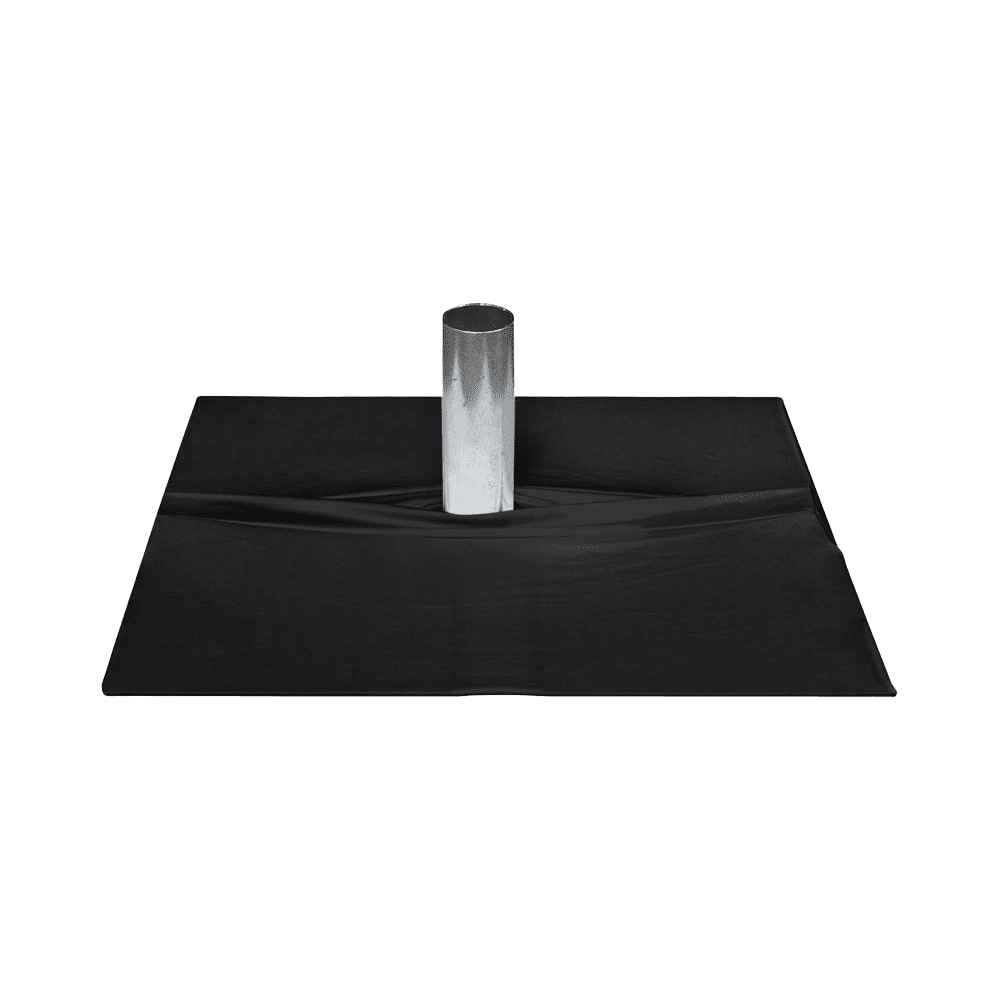
- Base plates – Provide weight and stability
- Uprights – Vertical poles that control height
- Crossbars (drape supports/poles) – Horizontal bars connecting uprights
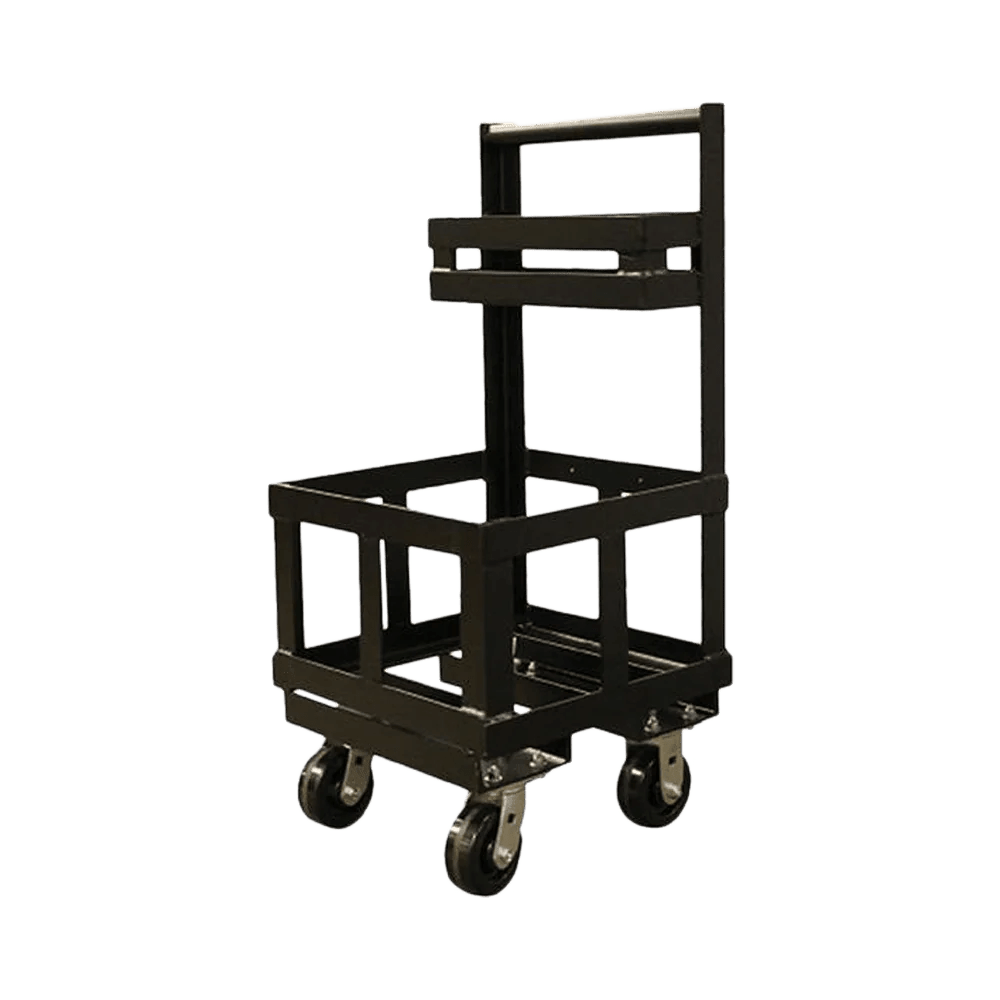
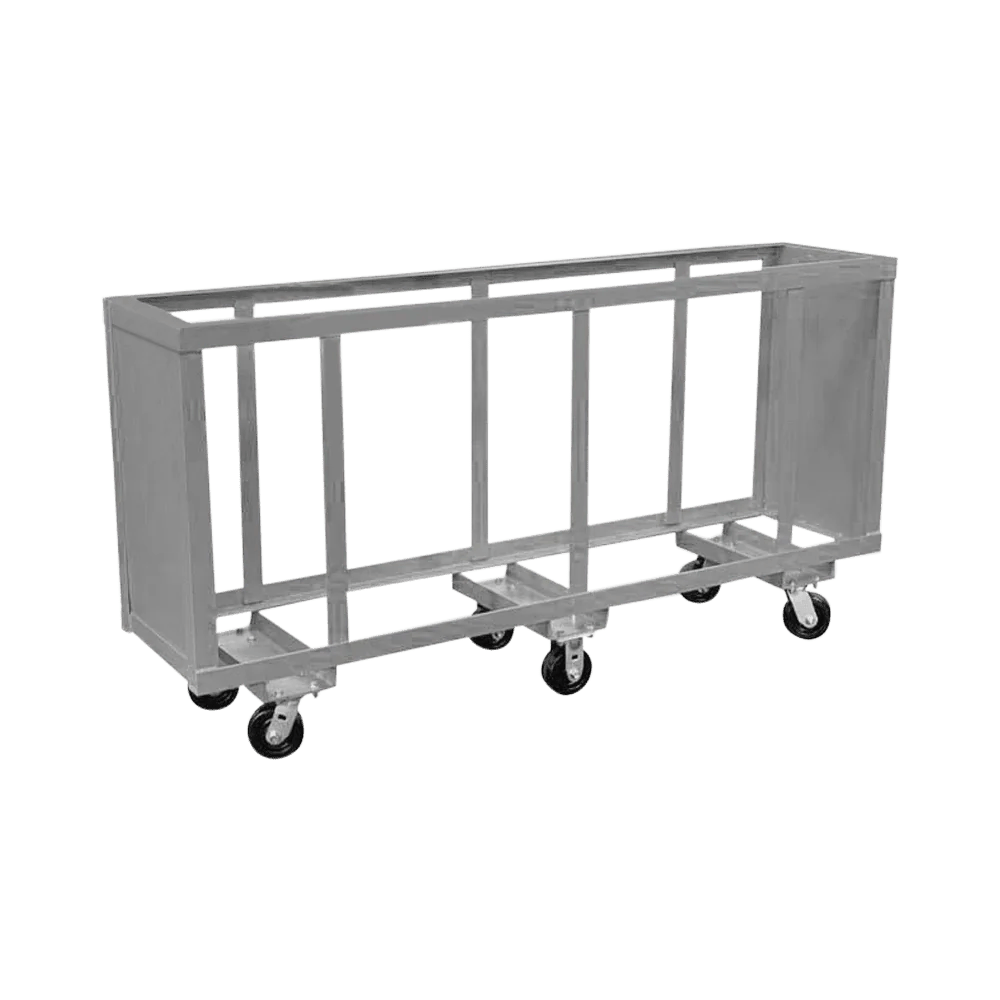
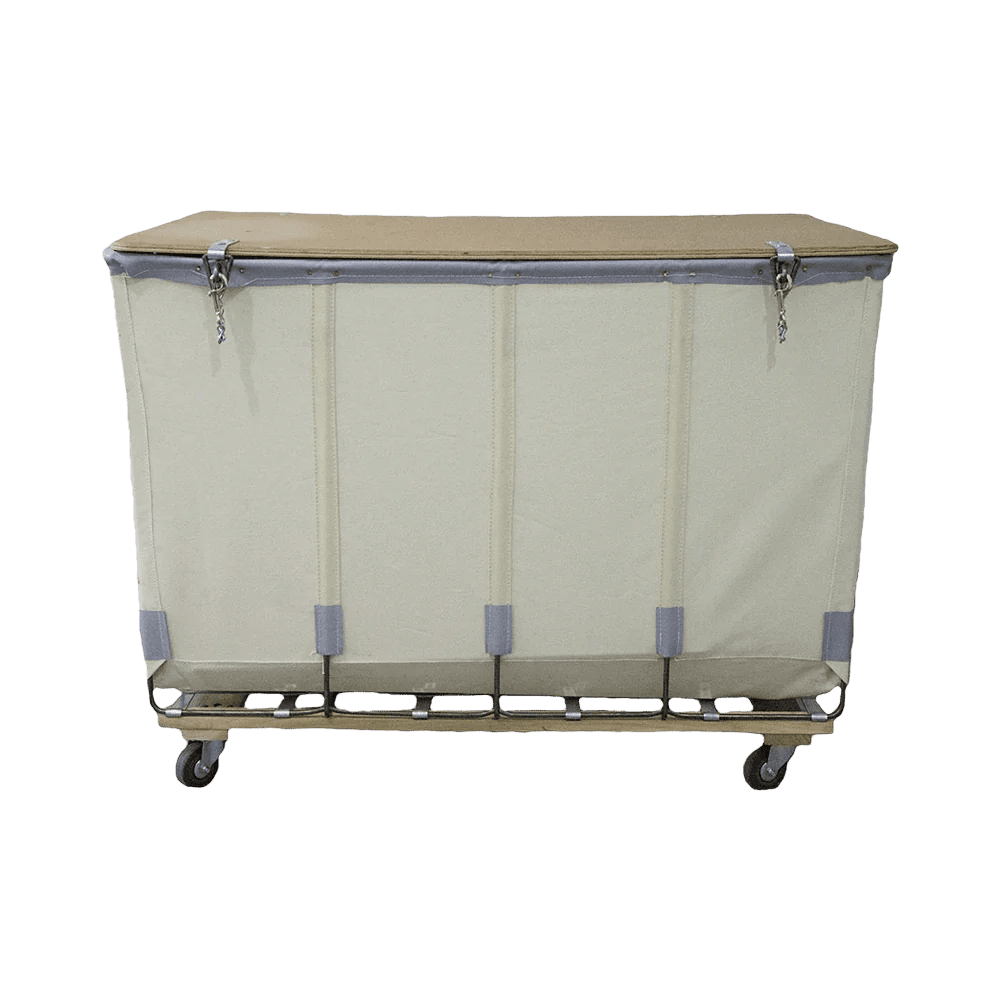
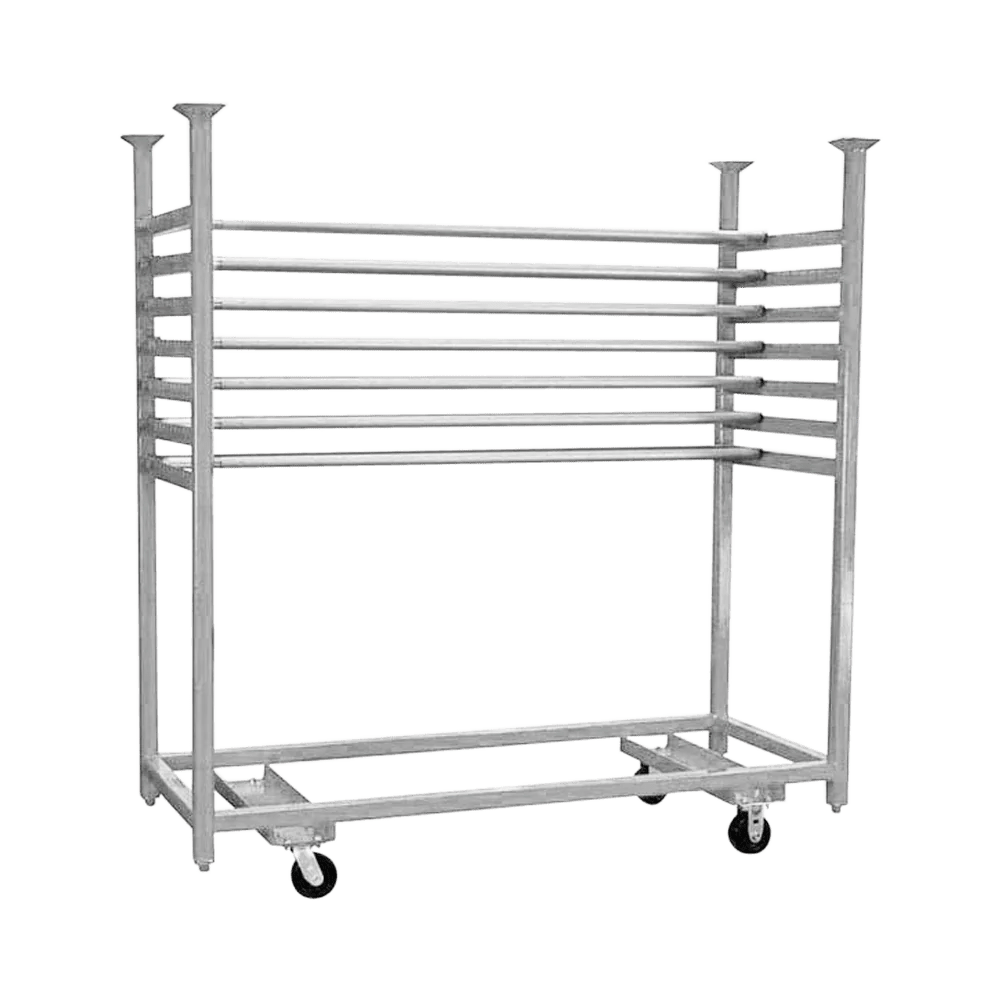
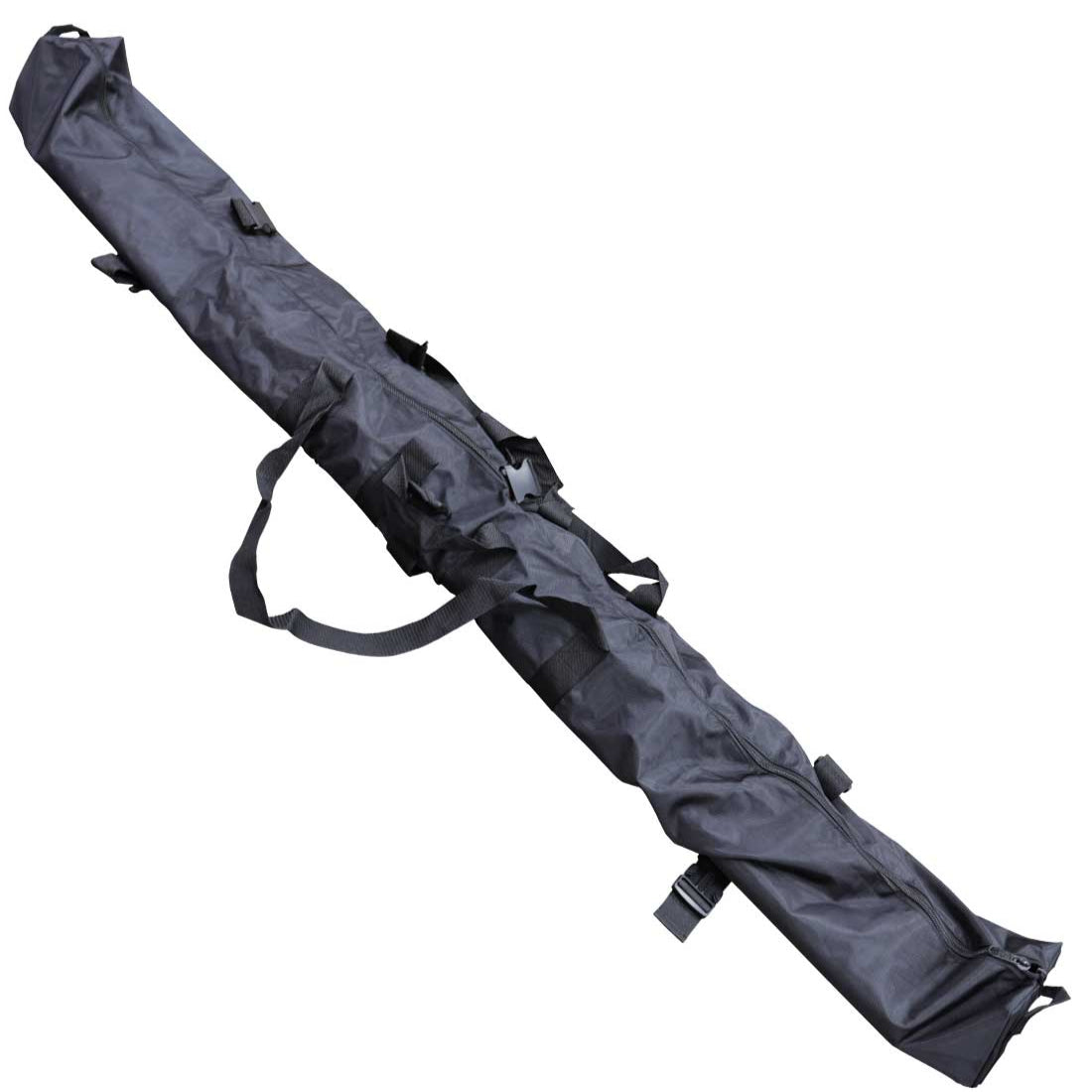
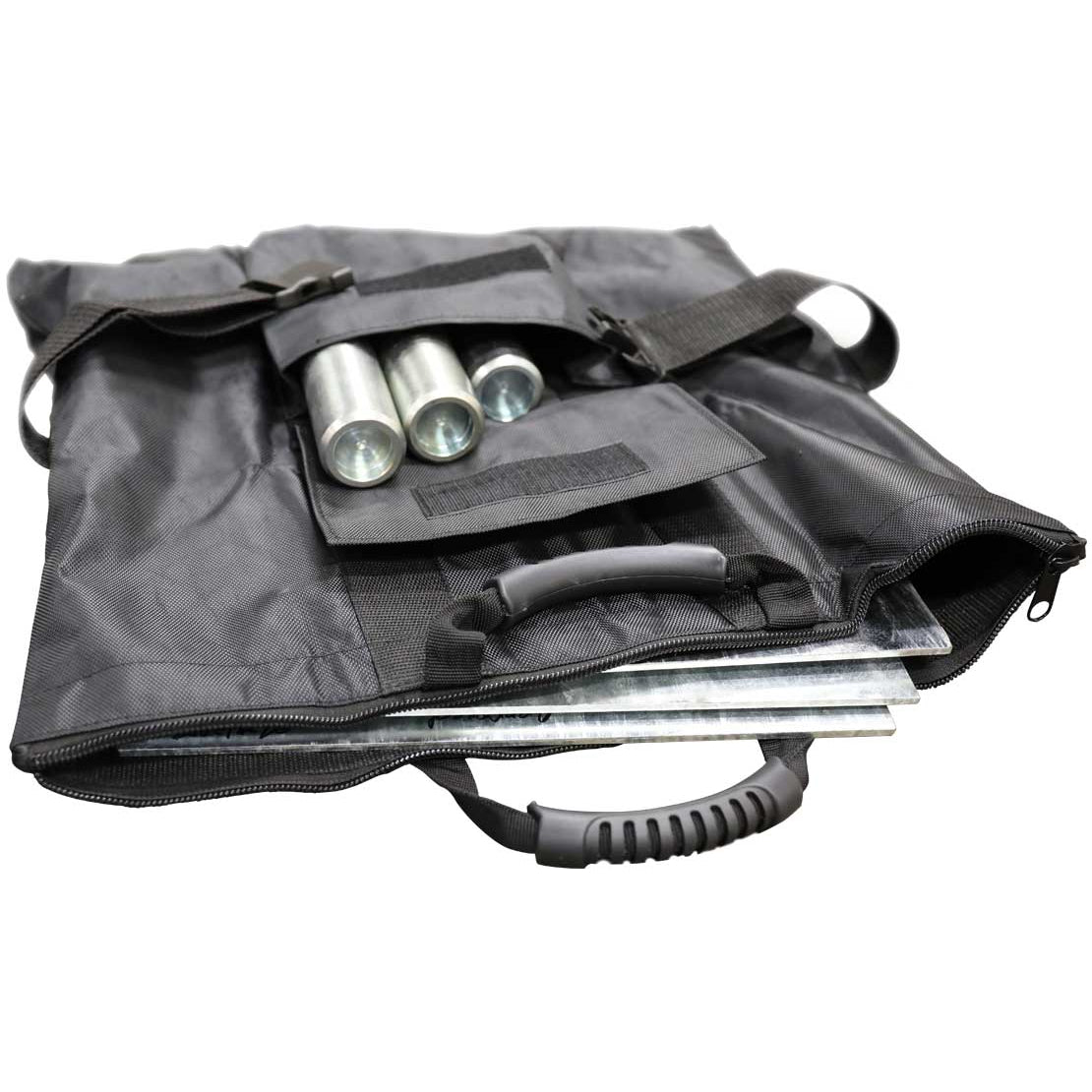
- Accessories – Clamps, connectors, and storage solutions
Each of these elements works together to form a complete and functional system.
Why Hardware Matters More Than You Think
Many setup issues - like instability, uneven drapes, or structural failure - are not caused by the fabric, but by poor hardware selection.
High-quality pipe and drape hardware ensures:
- Stable and secure setups
- Proper alignment and balance
- Flexibility across different event types
- Long-term durability for repeated use
Without the right hardware, even the best drapes won’t perform well.
Base Plates: The Foundation of Stability
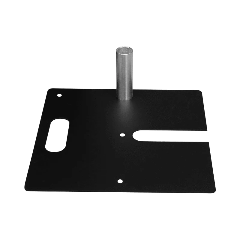
Base plates are the most important component when it comes to safety and stability.
They sit at the bottom of the system and support the entire structure.
Key Features of Base Plates:
- Made from heavy steel for stability
- Available in different weights and sizes
- Designed to prevent tipping or shifting
When to Use Heavier Base Plates:
- Large backdrops
- High-traffic areas
- Outdoor or uneven surfaces
Choosing the right base plates ensures your pipe and drape hardware setup remains secure under all conditions.
Uprights: Controlling Height and Structure
Uprights are vertical poles inserted into the base plates. They determine how tall your pipe and drape system will be.
Types of Uprights:
- Fixed uprights – Set height, faster setup
- Adjustable uprights – Flexible height options
Why Adjustable Uprights Are Popular:
- Adapt to different venues
- Work for multiple event types
- Reduce need for multiple systems
In most cases, adjustable uprights offer better long-term value, especially for event professionals.
Crossbars (Poles): Connecting the System
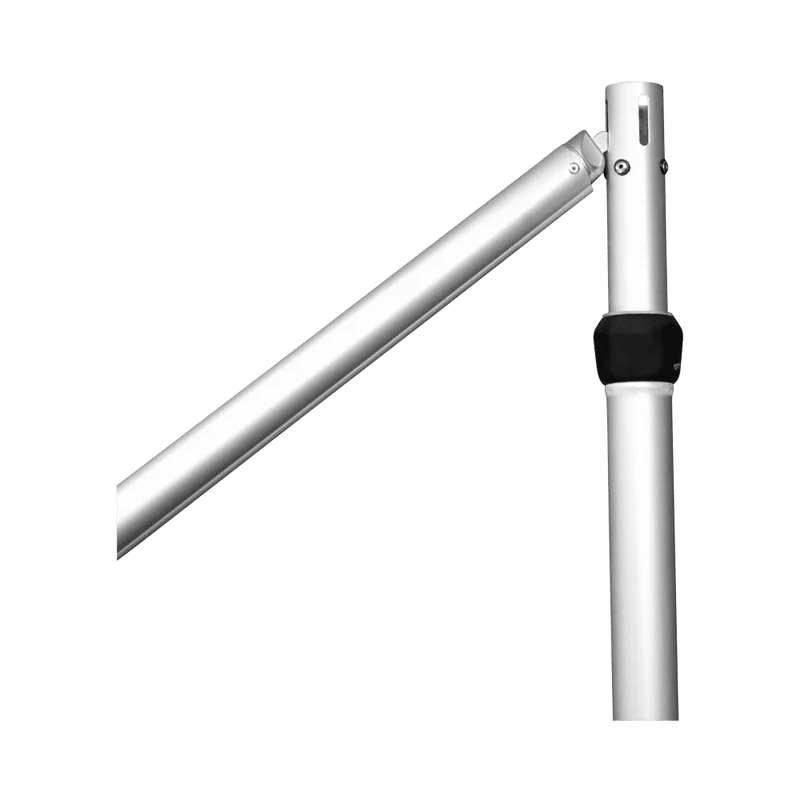
Crossbars - often referred to as poles - connect the uprights and support the drape panels.
What Crossbars Do:
- Define the width of your setup
- Hold the drape fabric in place
- Maintain structural balance
Adjustable vs Fixed Crossbars:
- Adjustable poles – Expand to different widths
- Fixed poles – Faster setup but limited flexibility
Using the right crossbars ensures your drapes hang properly and your system remains aligned.
How All Components Work Together
Understanding individual parts is important, but knowing how they function as a system is what makes your setup effective.
Basic System Flow:
- Base plates are positioned for support
- Uprights are inserted into the bases
- Crossbars connect between uprights
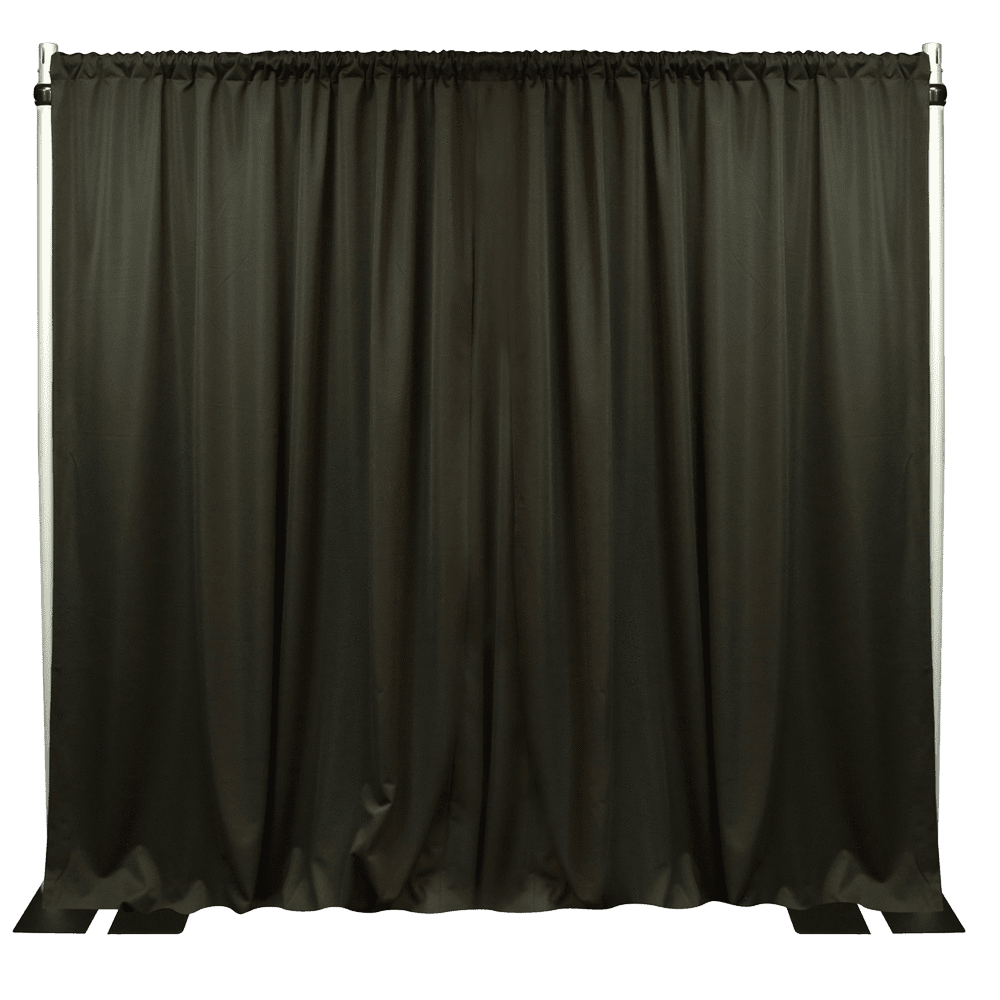
- Drapes are added to complete the setup
Each component depends on the others. Weakness in one area affects the entire structure.
Choosing the Right Pipe and Drape Hardware
Not all setups require the same hardware. Your selection should depend on your specific use case.
Key Factors to Consider:
- Event size – Larger setups need stronger components
- Height requirements – Taller setups require stable uprights
- Frequency of use – Frequent setups need durable hardware
- Environment – Indoor vs outdoor affects stability needs
Matching your pipe and drape hardware to your event ensures both performance and efficiency.
Common Mistakes When Choosing Hardware
Even simple setups can fail if the wrong components are used.
Avoid These Mistakes:
- Using lightweight base plates for large setups
- Choosing fixed uprights when flexibility is needed
- Overextending crossbars beyond safe limits
- Ignoring compatibility between components
Proper planning prevents these issues and ensures a reliable setup.
Hardware for Different Event Types
Different events require different configurations of pipe and drape hardware.
Trade Shows:
- Standard height uprights (8 ft)
- Adjustable crossbars
- Stable base plates
Weddings and Decor:
- Taller uprights
- Decorative drapes
- Balanced structure for aesthetics
Large Venue Divisions:
- Heavy-duty base plates
- Additional uprights for support
- Wider crossbar spans
Choosing the right hardware setup improves both functionality and appearance.
Durability and Long-Term Use
Investing in high-quality pipe and drape hardware pays off over time.
Benefits of Durable Hardware:
- Reusable across multiple events
- Reduced replacement costs
- Consistent performance
- Better safety and reliability
For professionals, durability is just as important as flexibility.
Final Thoughts
Understanding pipe and drape hardware is essential for building stable and professional event setups. While drapes define the visual appearance, it’s the hardware - base plates, uprights, and poles - that determines how well everything performs.
By choosing the right components and ensuring they work together properly, you can create setups that are not only visually appealing but also reliable and efficient. Whether you're setting up a simple backdrop or a large event partition, the right hardware makes all the difference.
FAQs
What is pipe and drape hardware?
It includes all structural components such as base plates, uprights, and crossbars used to support drape systems.
What are uprights in pipe and drape?
Uprights are vertical poles that determine the height of the setup.
Why are base plates important?
They provide stability and prevent the structure from tipping or shifting.
What are crossbars or poles used for?
They connect uprights and support the drape panels.
Can pipe and drape hardware be reused?
Yes. High-quality hardware is designed for repeated use across multiple events.
Choosing the right pipe and drape hardware is essential for creating stable, flexible, and professional event setups. From selecting durable base plates to using adjustable uprights and reliable poles, every component plays a role in the overall performance of your system. As your event needs grow, investing in high-quality hardware ensures you can build consistent and scalable setups with confidence, no matter the size or type of event.


