





Trade shows are highly competitive environments where every booth is fighting for attention. Simply having a space isn’t enough - you need a setup that draws people in, communicates your brand clearly, and creates a professional experience.
This is where trade show pipe and drape plays a critical role. Beyond just defining your booth, it helps you create structure, control visibility, and design an environment that stands out in a crowded exhibition hall.
In this guide, you’ll learn how to use pipe and drape effectively to build booth setups that not only look clean but actually attract visitors and keep them engaged.
Why Pipe and Drape Matters for Trade Show Booths
At a basic level, pipe and drape systems are used to create booth enclosures. But in a trade show setting, their role goes much further.
A well-designed booth enclosure:
- Defines your space clearly within the venue
- Creates a controlled and focused environment
- Enhances branding visibility
- Improves the overall visitor experience
Without proper structure, booths can feel cluttered or unorganized. Using trade show pipe and drape allows you to establish a clean foundation that supports everything else - graphics, lighting, and layout.
Understanding Trade Show Booth Enclosures
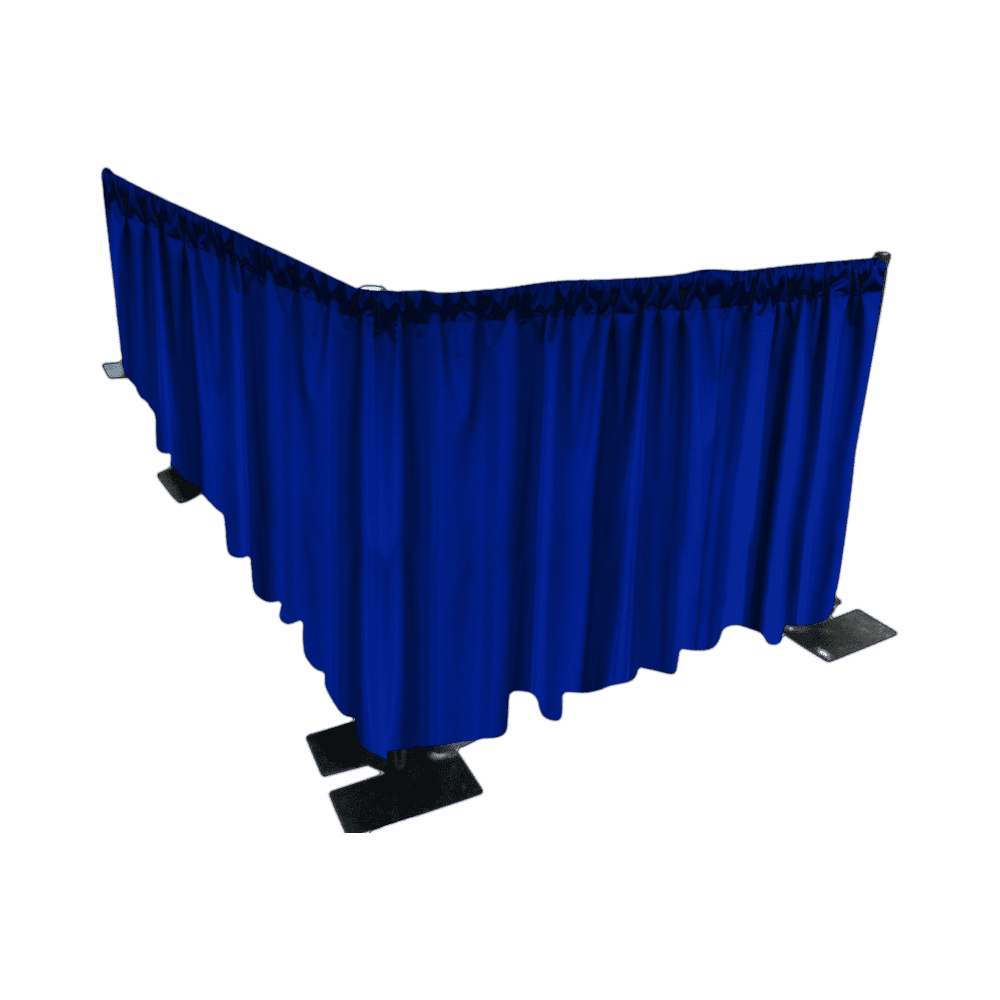
A booth enclosure is essentially the framework that separates your space from others. Pipe and drape systems are the most common way to create this structure because they are flexible, reusable, and easy to install.
Typical booth setups include:
- Back wall draping
- Side partitions
- Entry openings for visitor flow
- Branding or display areas
The goal is to create a defined area that feels intentional rather than temporary.
Planning Your Trade Show Booth Layout
Before setting up your trade show pipe and drape, planning your layout is essential. Many exhibitors make the mistake of assembling first and adjusting later, which often leads to inefficient designs.
Key Planning Considerations:
- Booth size and dimensions
- Entry and exit points
- Product display areas
- Visitor movement flow
A well-planned layout ensures your event drape setup supports both functionality and visual appeal.
Choosing the Right Pipe and Drape Setup for Trade Shows
Not all pipe and drape systems are suitable for trade shows. You need a setup that balances structure, flexibility, and ease of installation.
What to Look For:
- Standard height compatibility (typically 8 ft for booths)
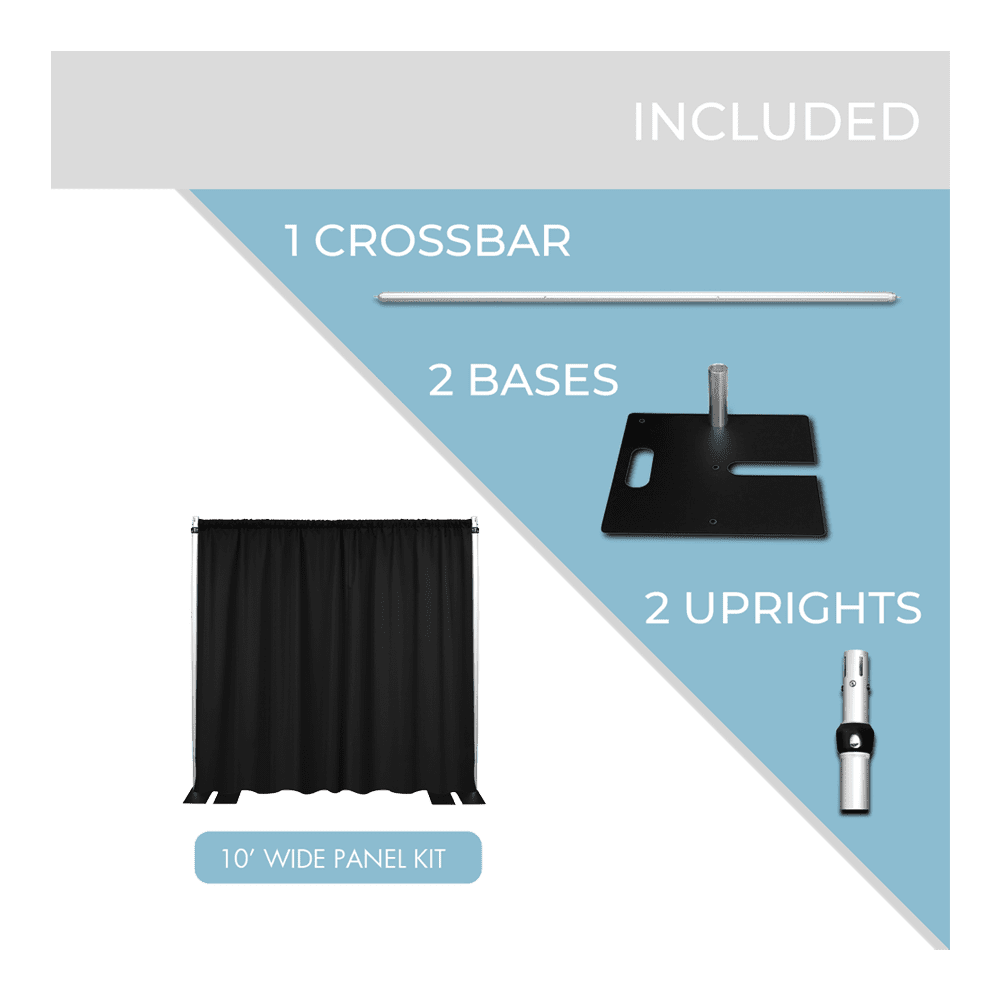
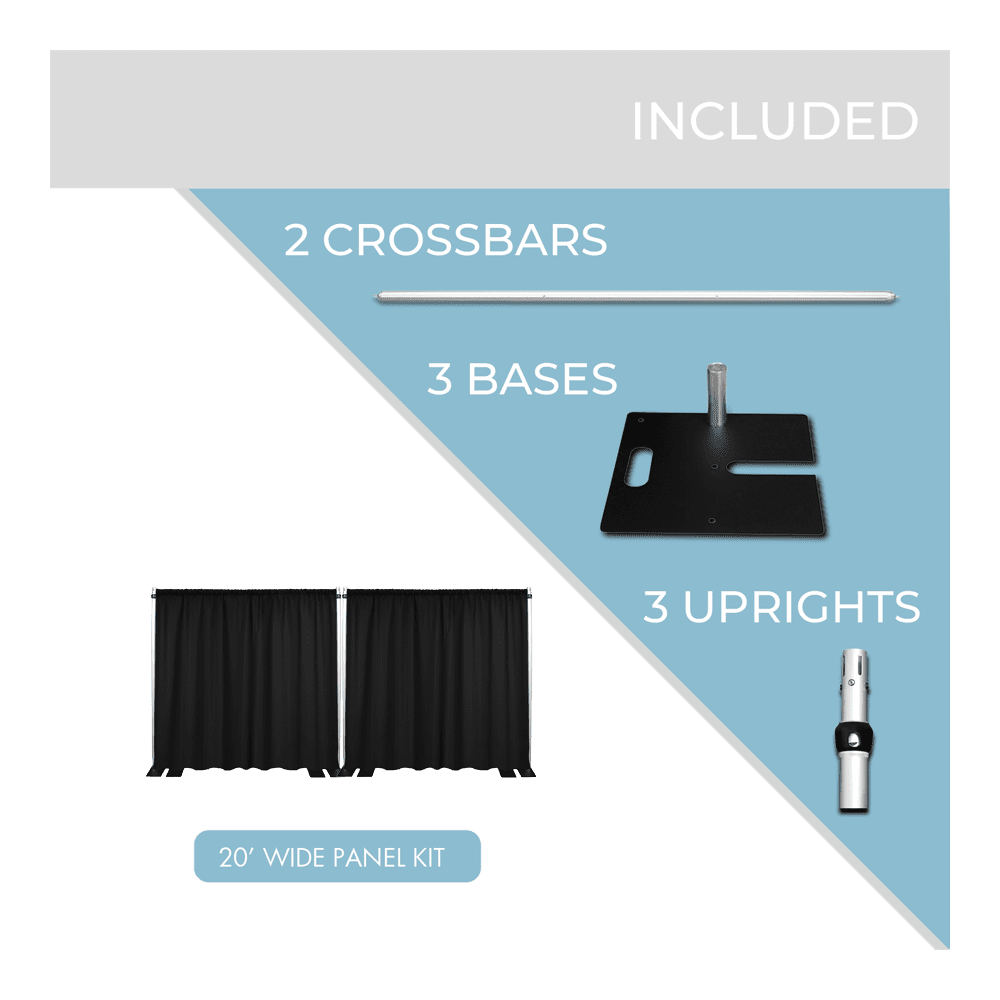
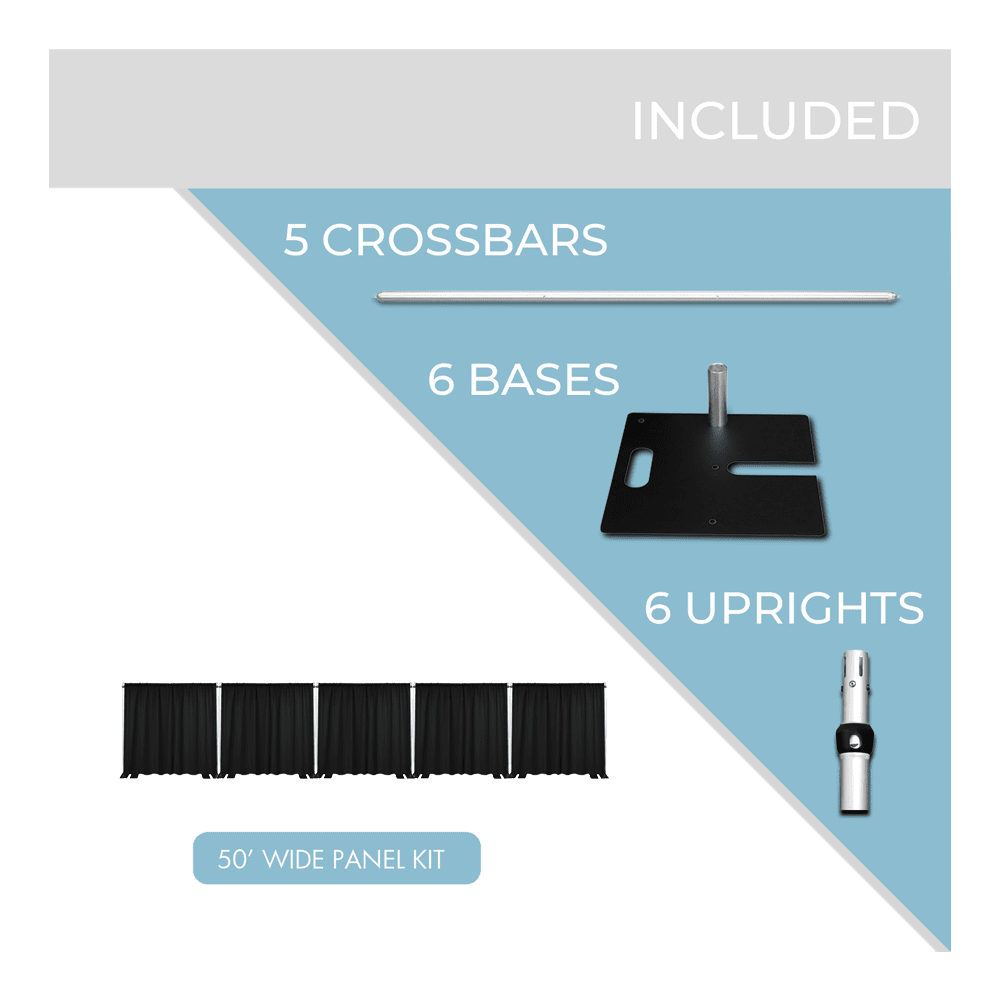
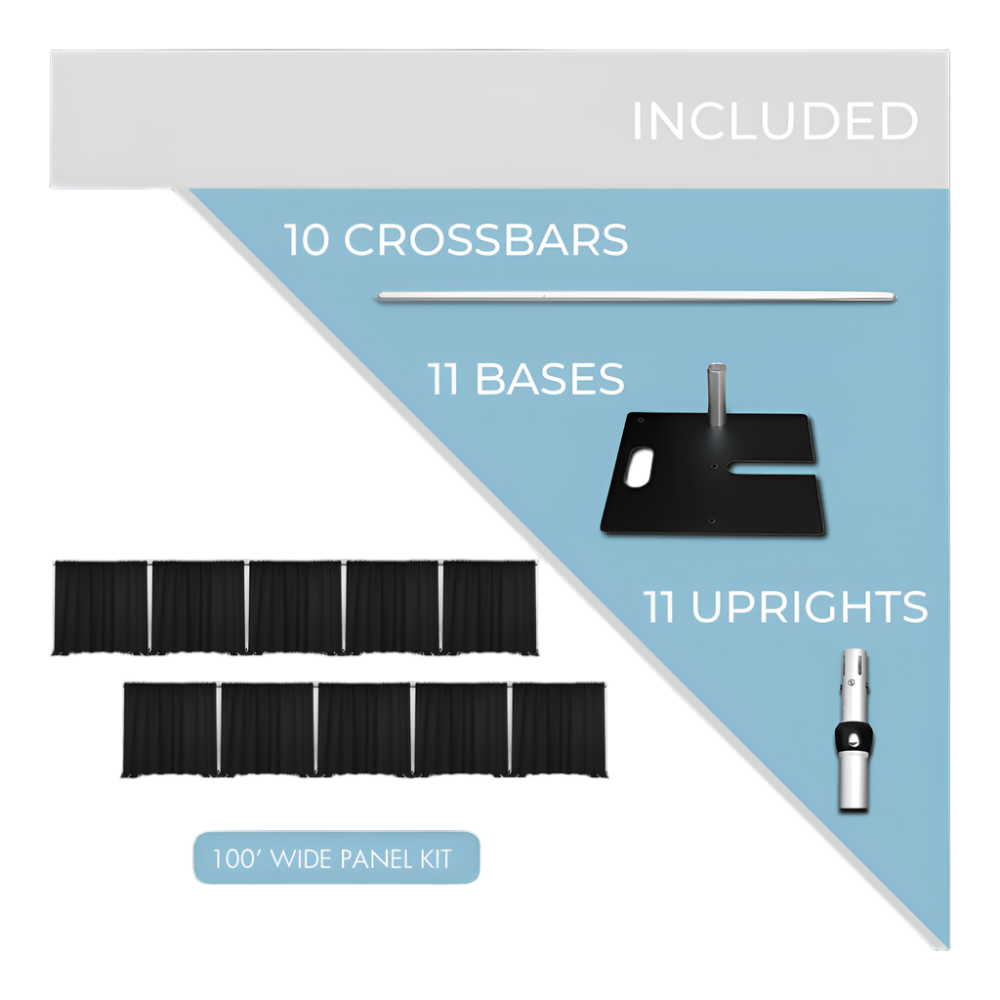
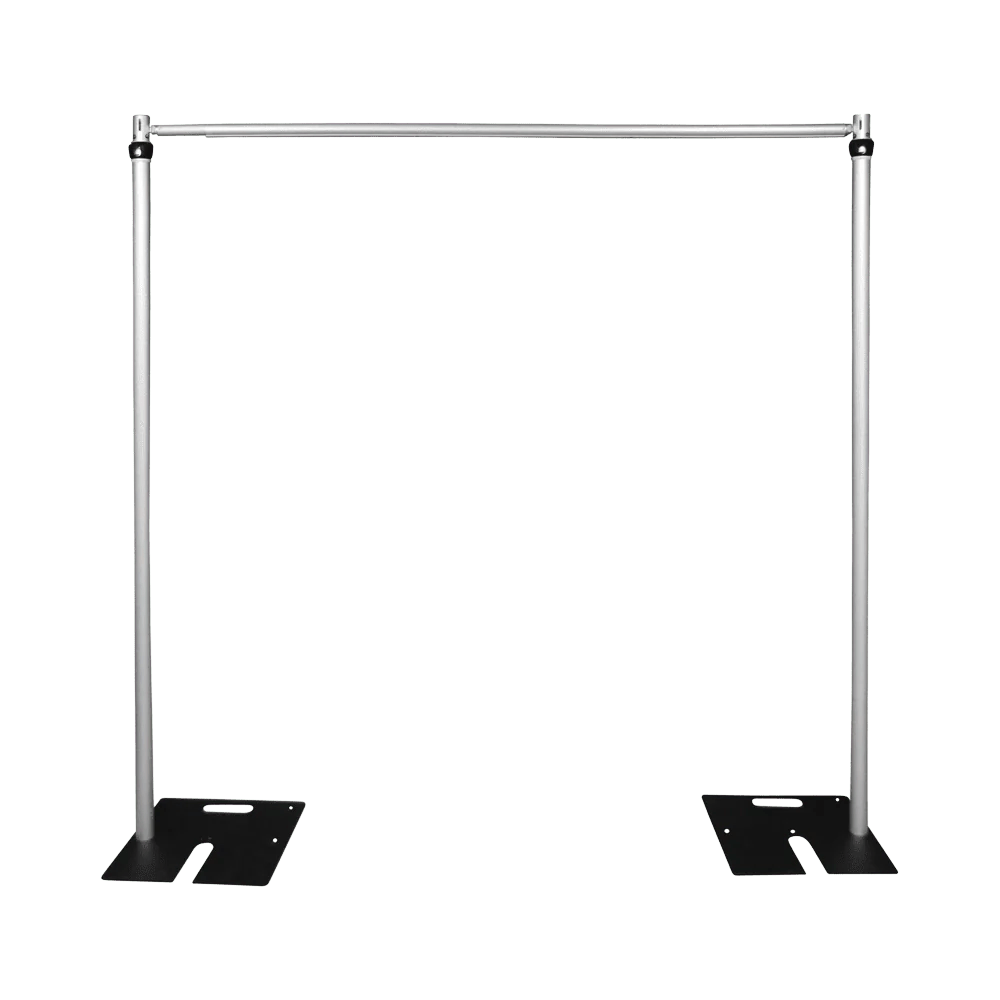
- Adjustable width crossbars
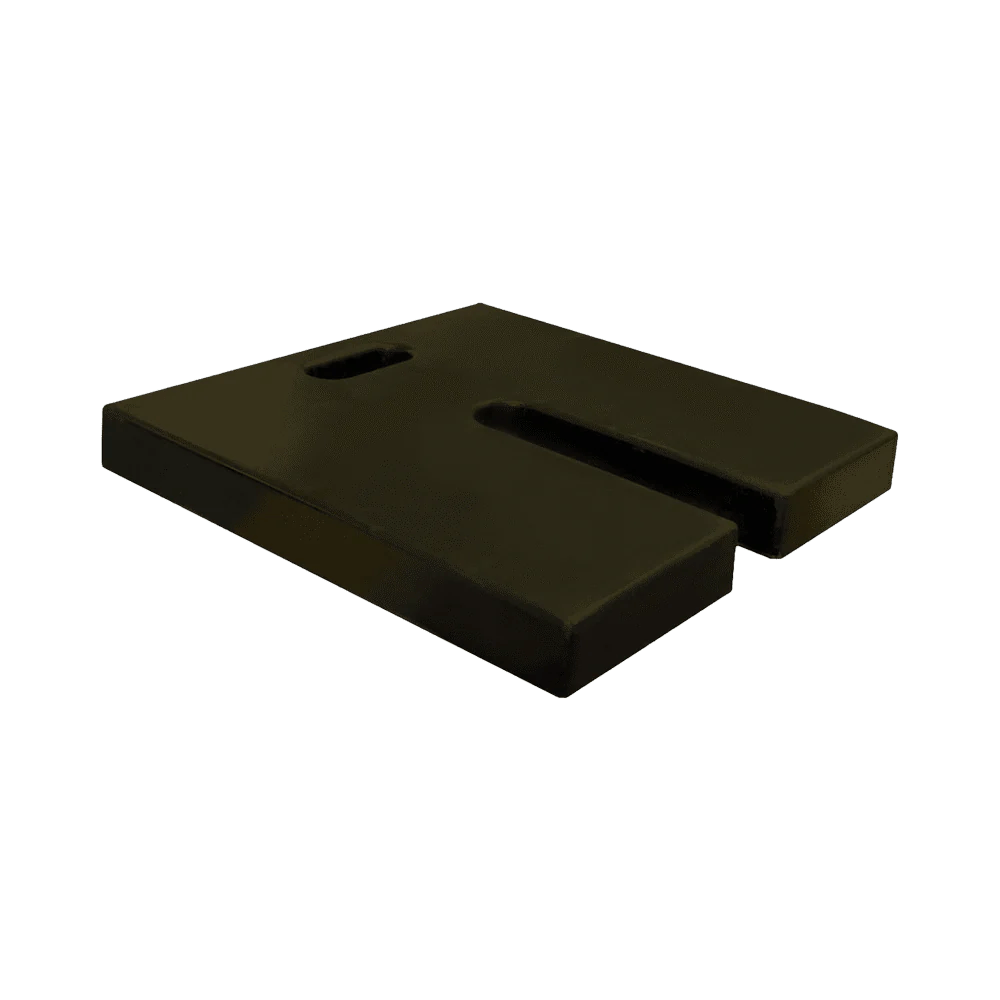
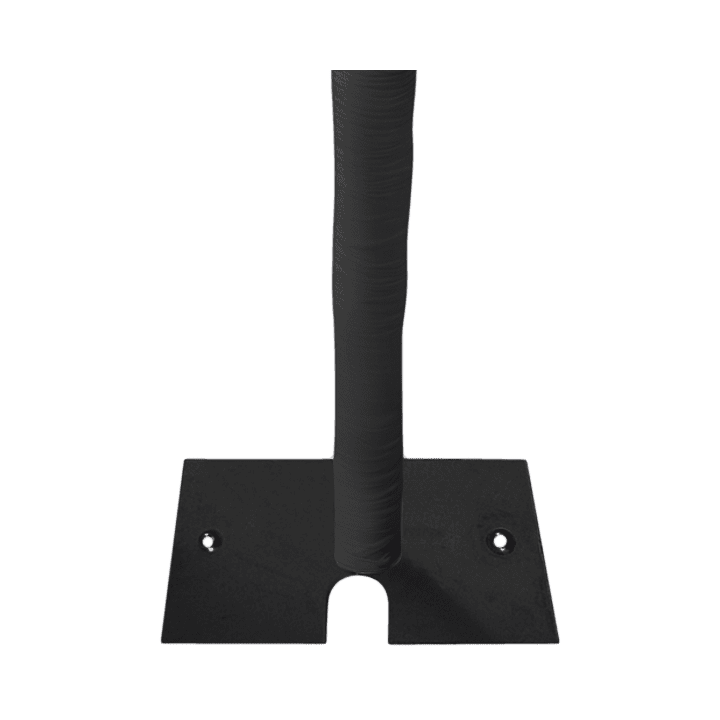
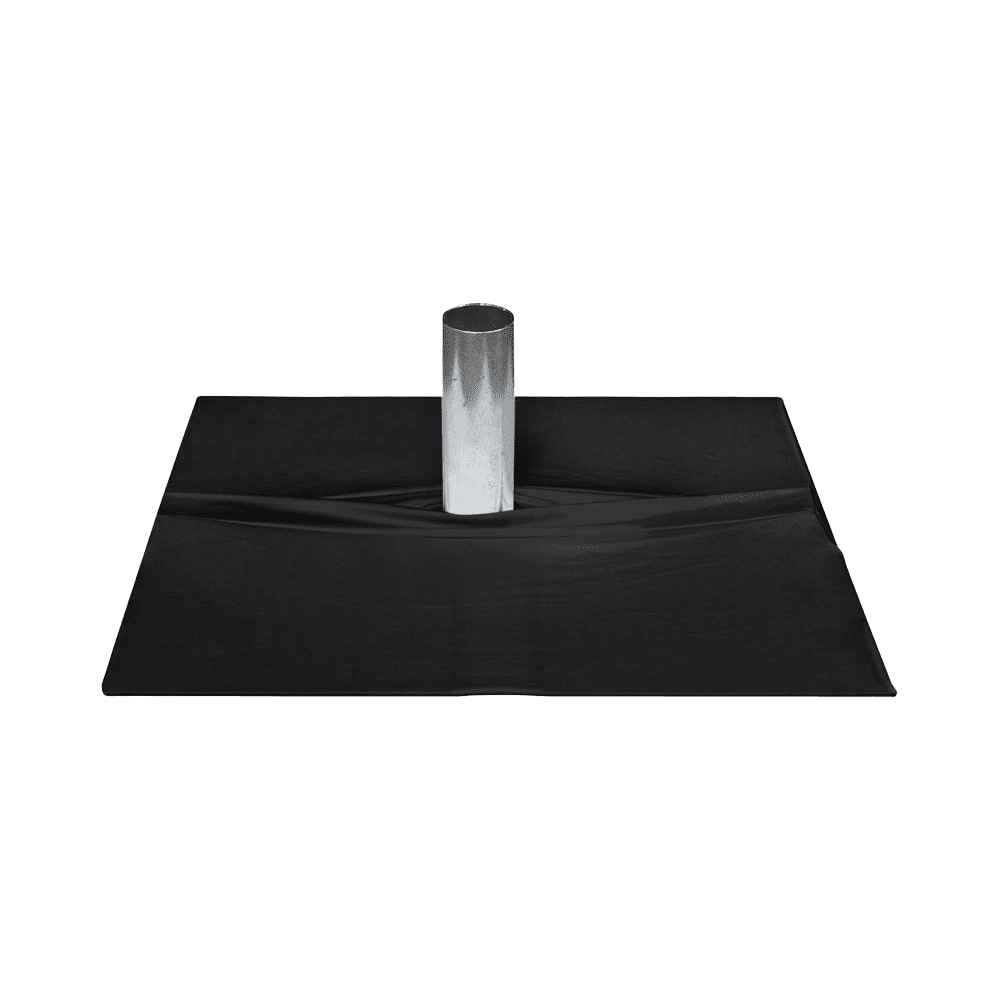
- Stable base plates for high-traffic areas
- Durable uprights for repeated use
An adjustable trade show pipe and drape system is usually the best option, as it allows you to adapt to different booth sizes across events.
Best Drape Options for Trade Show Booths
The type of event drape you choose directly affects how your booth looks and feels.
Common Fabric Choices:
-
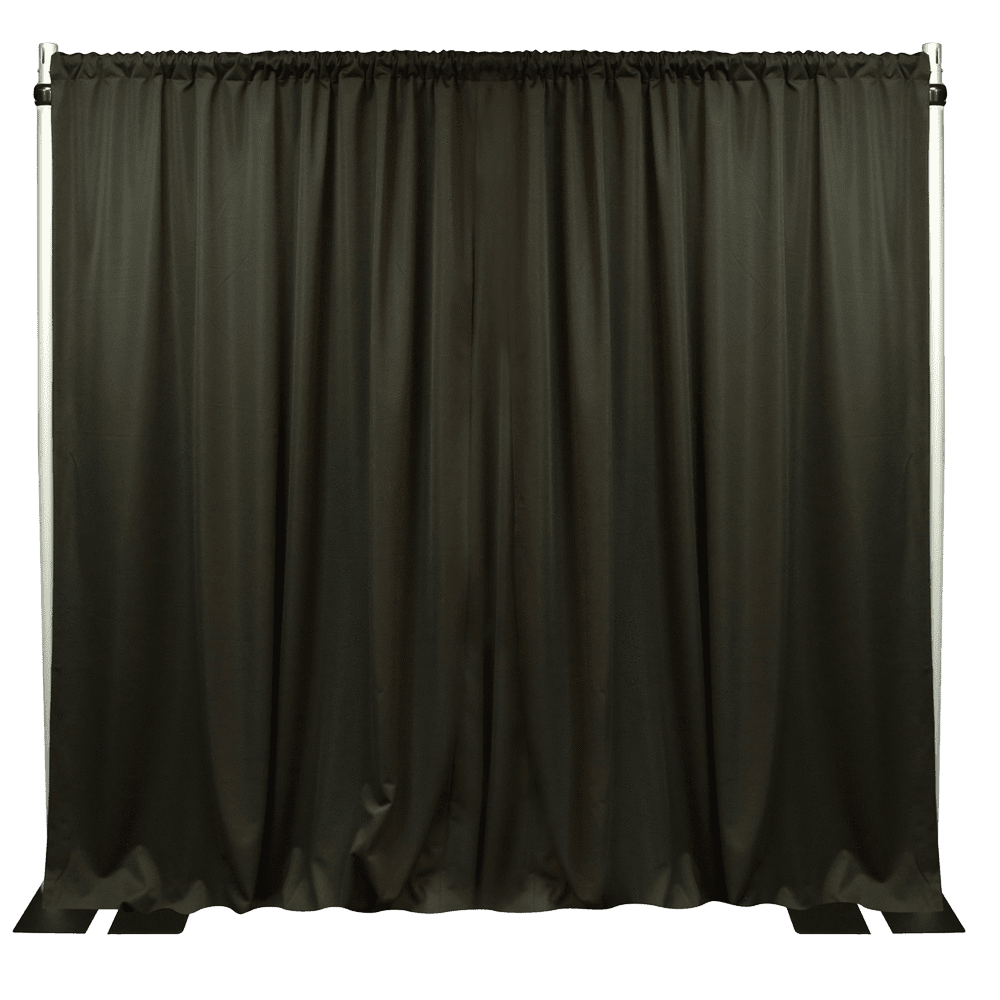
Poly Premier
Lightweight, clean, and ideal for standard booth setups -
Velour Drapes
Thicker fabric that adds a premium, high-end appearance -
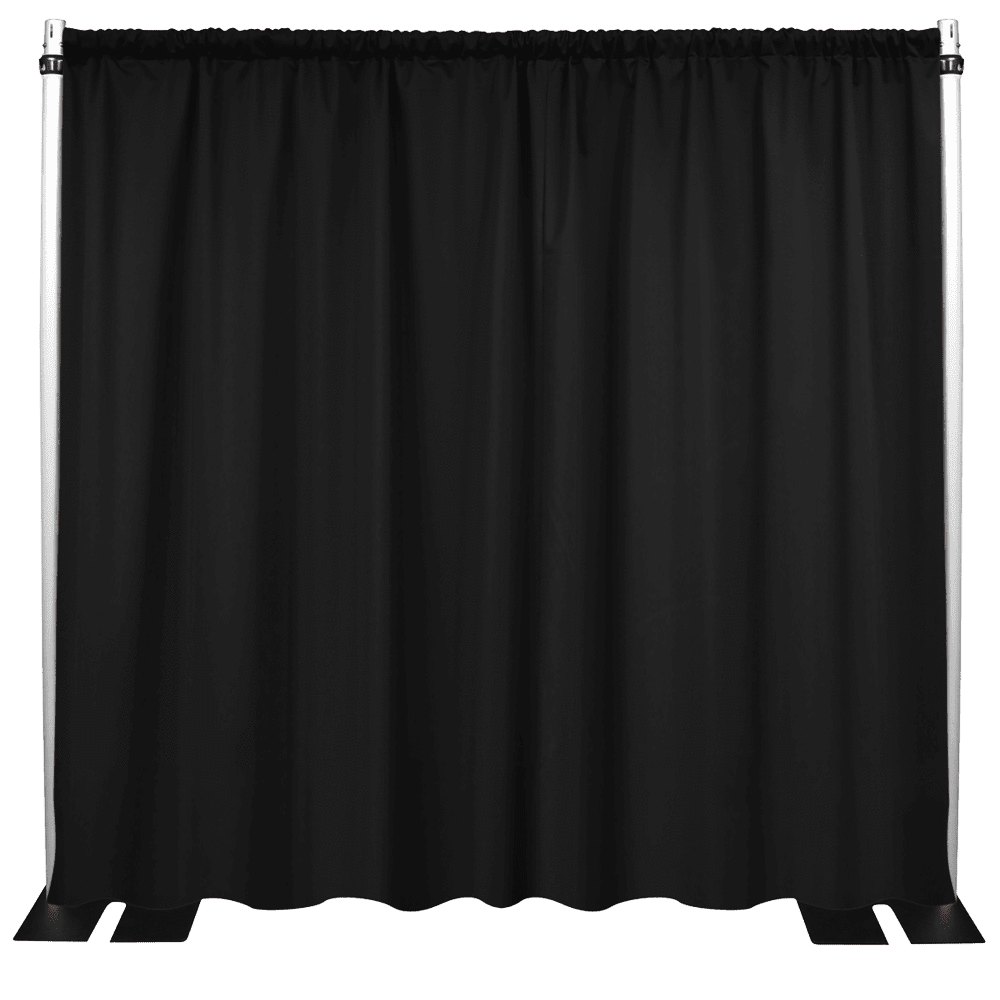
Blackout Drapes
Blocks light and distractions, ideal for focused displays
For most trade shows, a clean and wrinkle-resistant fabric works best to maintain a professional look throughout the event.
Step-by-Step: Setting Up a Trade Show Pipe and Drape Booth
A proper setup ensures your booth is both stable and visually appealing.
Step 1: Mark Your Booth Space
Start by identifying your booth boundaries.
- Measure the width and depth
- Mark where uprights will be placed
- Ensure alignment with neighboring booths
This creates the foundation for your booth enclosure.
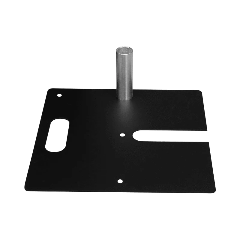
Step 2: Position Base Plates
Place base plates at each upright position.
- Keep spacing consistent
- Use heavier bases for stability
- Ensure the surface is even
Proper base placement is essential for a secure trade show pipe and drape setup.
Step 3: Install Uprights
Insert uprights into the base plates.
- Adjust height if needed
- Keep all uprights level
- Double-check alignment
This step defines the vertical structure of your booth.
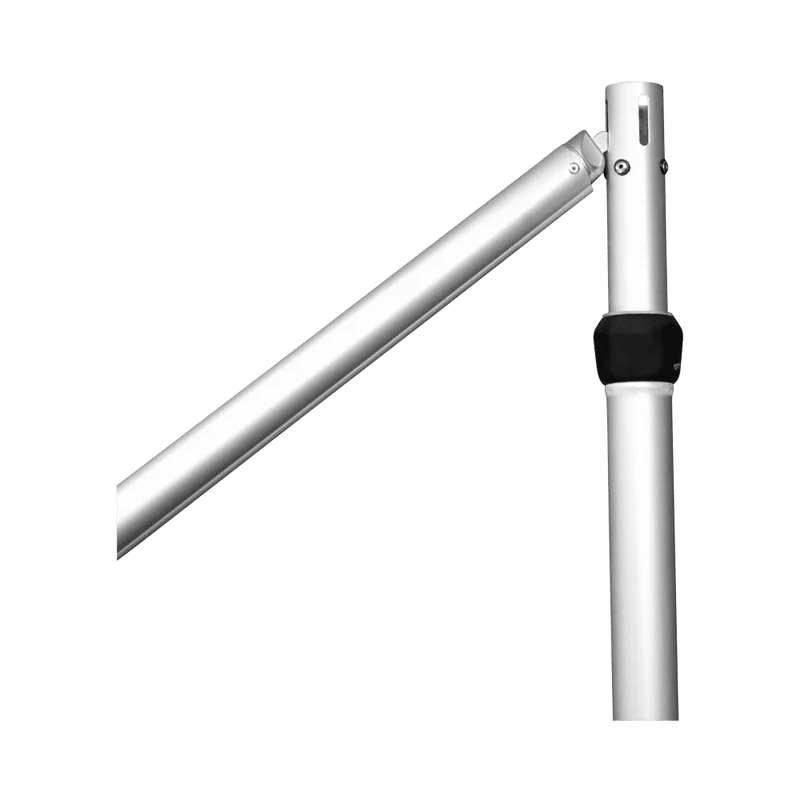
Step 4: Attach Crossbars
Connect crossbars between uprights.
- Extend to match booth width
- Lock securely into place
- Ensure they are level
This forms the frame for your event drape system.
Step 5: Hang the Drape Panels
Slide drape panels onto the crossbars.
- Distribute fabric evenly
- Add fullness for a better look
- Adjust folds for symmetry
This is where your booth starts to take visual shape.
Step 6: Final Adjustments
Inspect the entire setup.
- Check stability
- Align all sections
- Smooth out wrinkles
Your trade show booth enclosure should now look clean, balanced, and professional.
How to Make Your Booth Stand Out
A standard booth setup is not enough - you need to create visual impact.
Practical Ways to Attract Visitors:
- Use contrasting drape colors to stand out
- Add lighting to highlight key areas
- Keep the layout open and inviting
- Avoid overcrowding your space
Your trade show pipe and drape setup should enhance visibility, not restrict it.
Common Mistakes to Avoid
Even experienced exhibitors can make setup mistakes that reduce effectiveness.
Avoid These:
- Using low-quality or wrinkled drapes
- Blocking entry points with poor layout
- Choosing the wrong booth size
- Ignoring lighting and visibility
- Overcomplicating the design
A simple, clean, and well-structured booth enclosure often performs better than a complex one.
Why Pipe and Drape Is Ideal for Trade Shows
Compared to rigid booth structures, pipe and drape systems offer several advantages:
- Fast setup and teardown
- Easy transport and storage
- Flexible configurations
- Cost-effective for repeated use
This makes trade show pipe and drape systems one of the most practical solutions for exhibitors.
Final Thoughts
Building an effective trade show booth starts with a strong foundation, and a well-planned trade show pipe and drape setup provides exactly that. By focusing on layout, fabric choice, and structure, you can create a booth that not only looks professional but also attracts and engages visitors.
A clean and organized booth enclosure improves both visibility and visitor flow, making it easier to showcase your brand and connect with your audience. With the right approach, even a simple setup can stand out in a crowded exhibition space.
FAQs
What is trade show pipe and drape used for?
It is used to create booth enclosures, backdrops, and partitions for exhibition spaces.
What size pipe and drape is used for trade shows?
Most standard booths use 8 ft high pipe and drape systems, though adjustable options are also available.
What fabric is best for trade show booths?
Poly premier is commonly used for its clean look, while velour offers a more premium appearance.
Can pipe and drape be reused for multiple trade shows?
Yes. These systems are designed for repeated use, making them cost-effective for exhibitors.
How do I make my booth more attractive?
Focus on clean layout, proper lighting, and high-quality drapes to improve visibility and engagement.
If you're planning an exhibition setup, using the right trade show pipe and drape system can significantly improve how your booth looks and performs. From creating a structured booth enclosure to selecting the right event drape, every detail contributes to a more professional and engaging presence. As you participate in more events, investing in a reliable and flexible system will help you build consistent, high-impact booth setups that attract attention and deliver results.


