







Setting up a pipe and drape stand may look technical at first, but once you understand the structure, it becomes one of the fastest and most reliable ways to create professional backdrops for events.
From trade shows and weddings to photo booths and stage setups, a properly installed backdrop stand can completely transform a space. The key is not just assembling the components, but doing it in a way that ensures stability, alignment, and a clean finish.
This guide breaks down the full process of setting up an adjustable pipe and drape stand, along with practical tips that help you avoid common mistakes and achieve a polished result every time.
Understanding the Pipe and Drape Stand System
Before jumping into setup, it’s important to understand how a pipe and drape stand works as a system rather than individual parts.
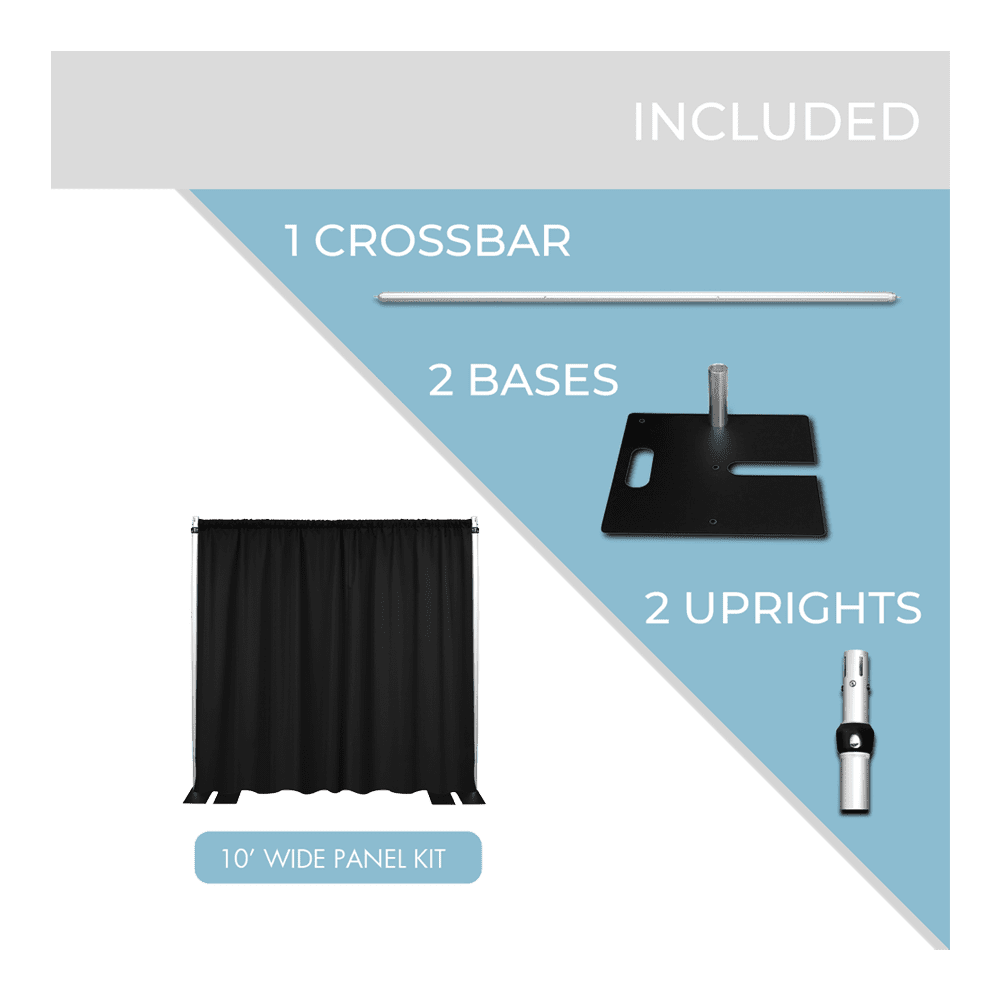
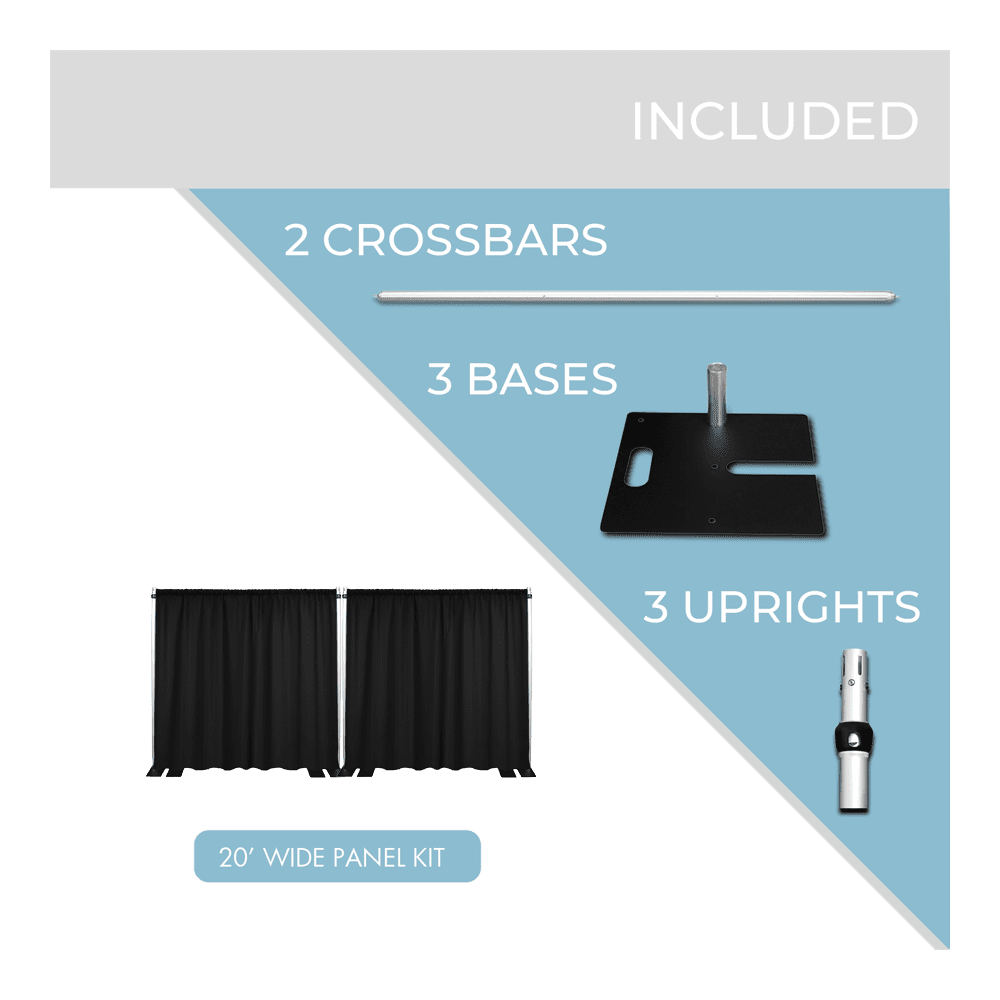
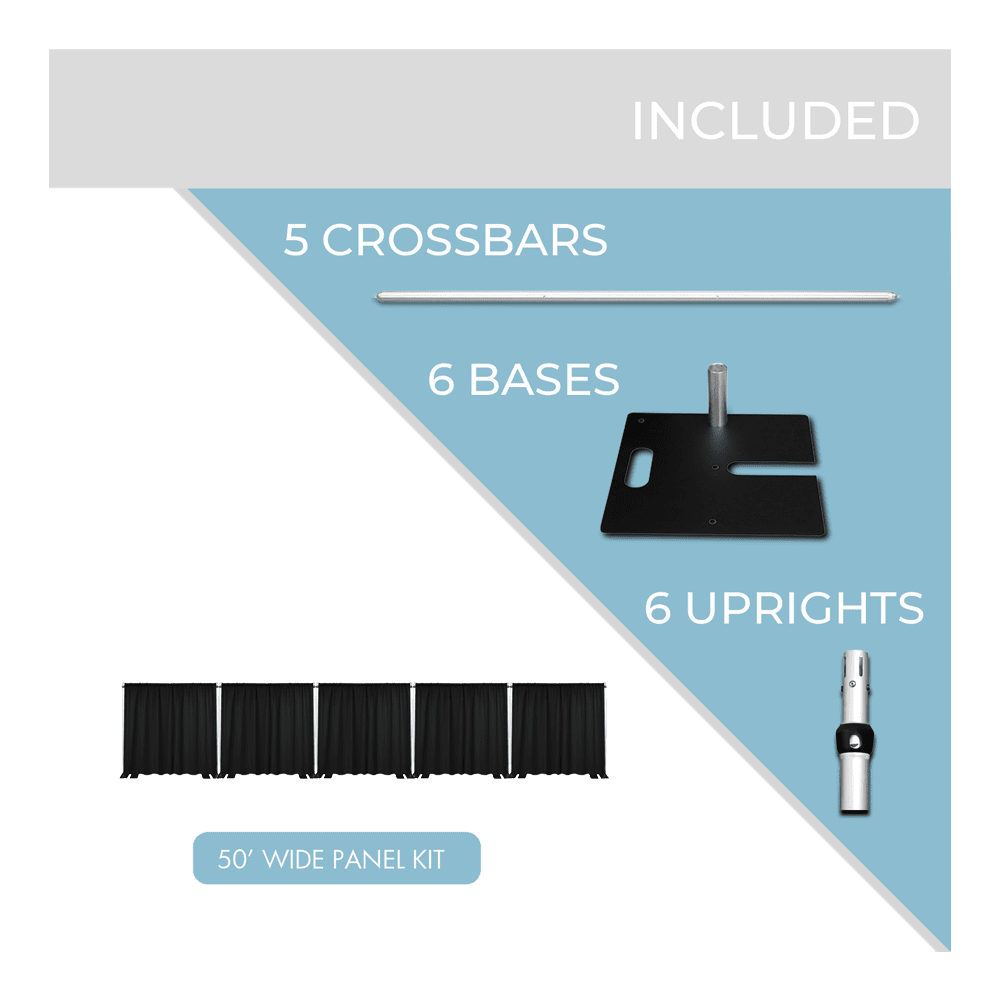
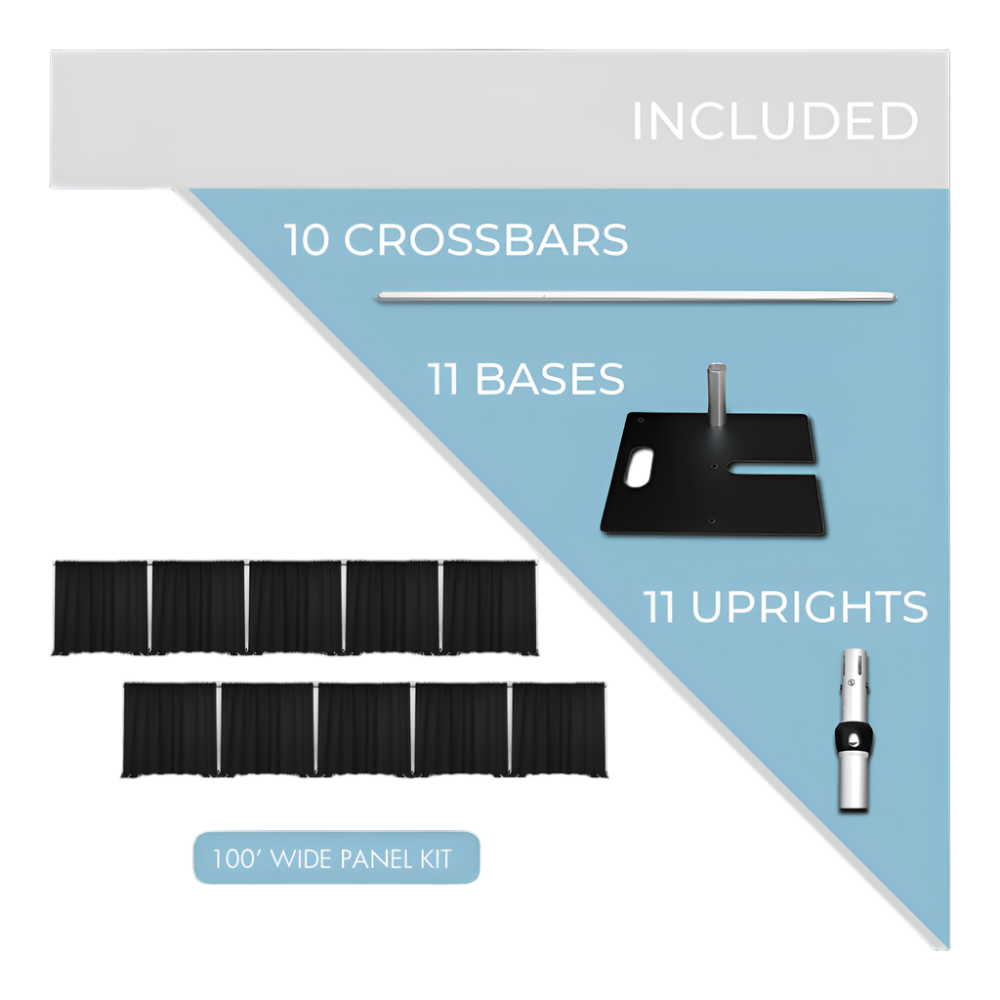
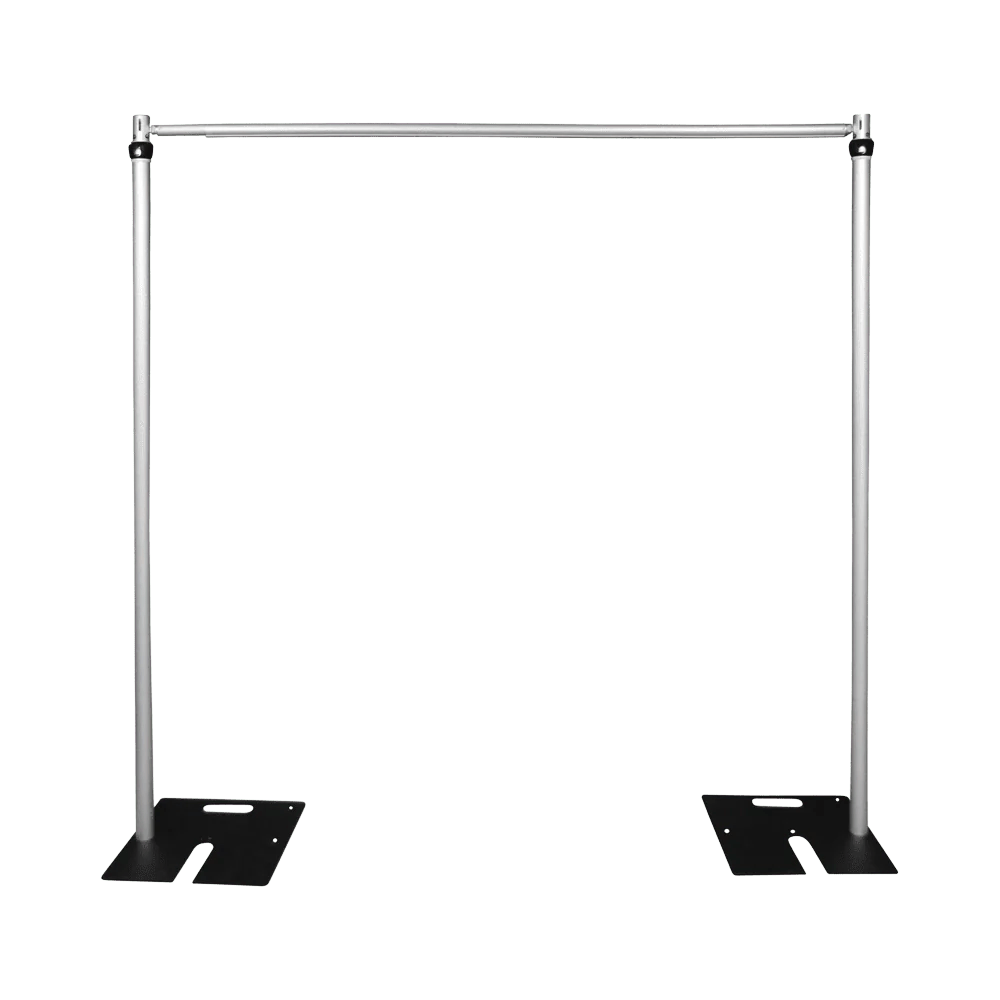
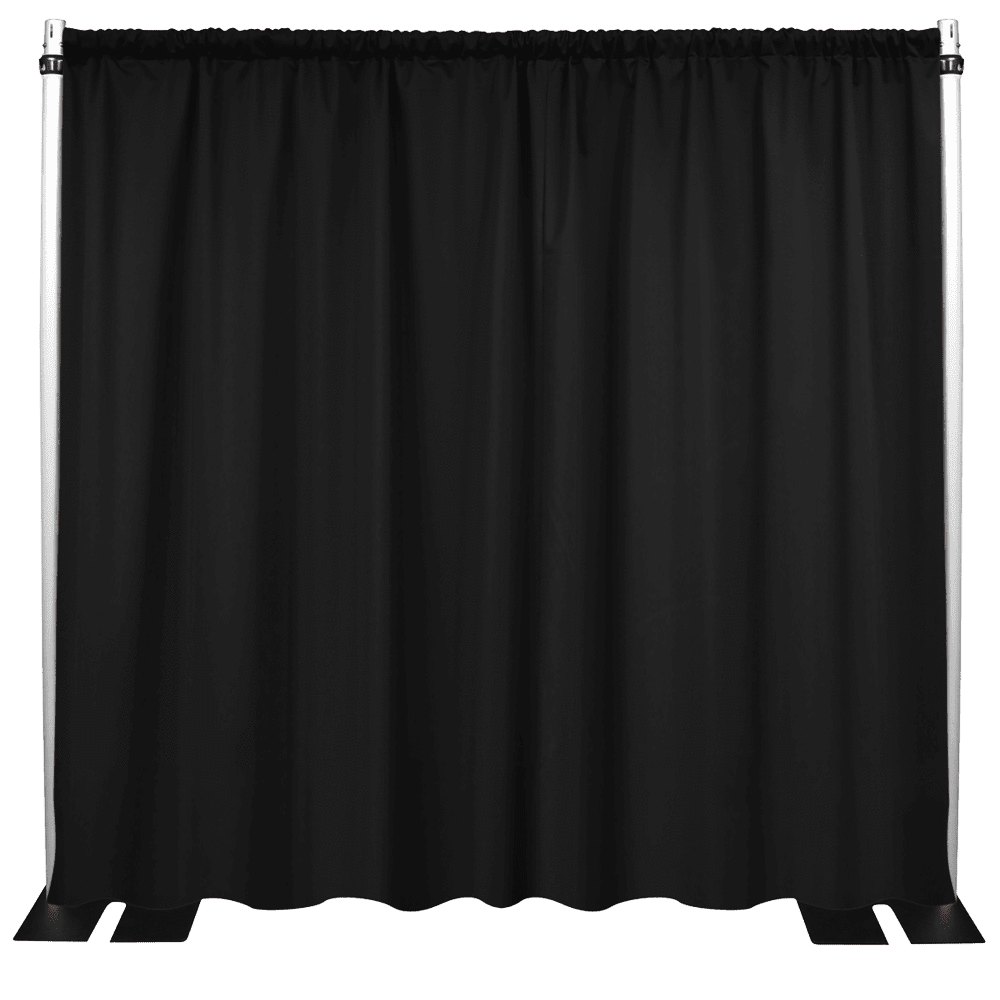
A standard setup includes:
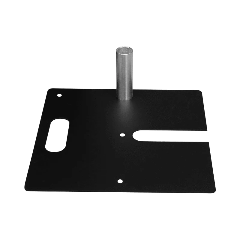
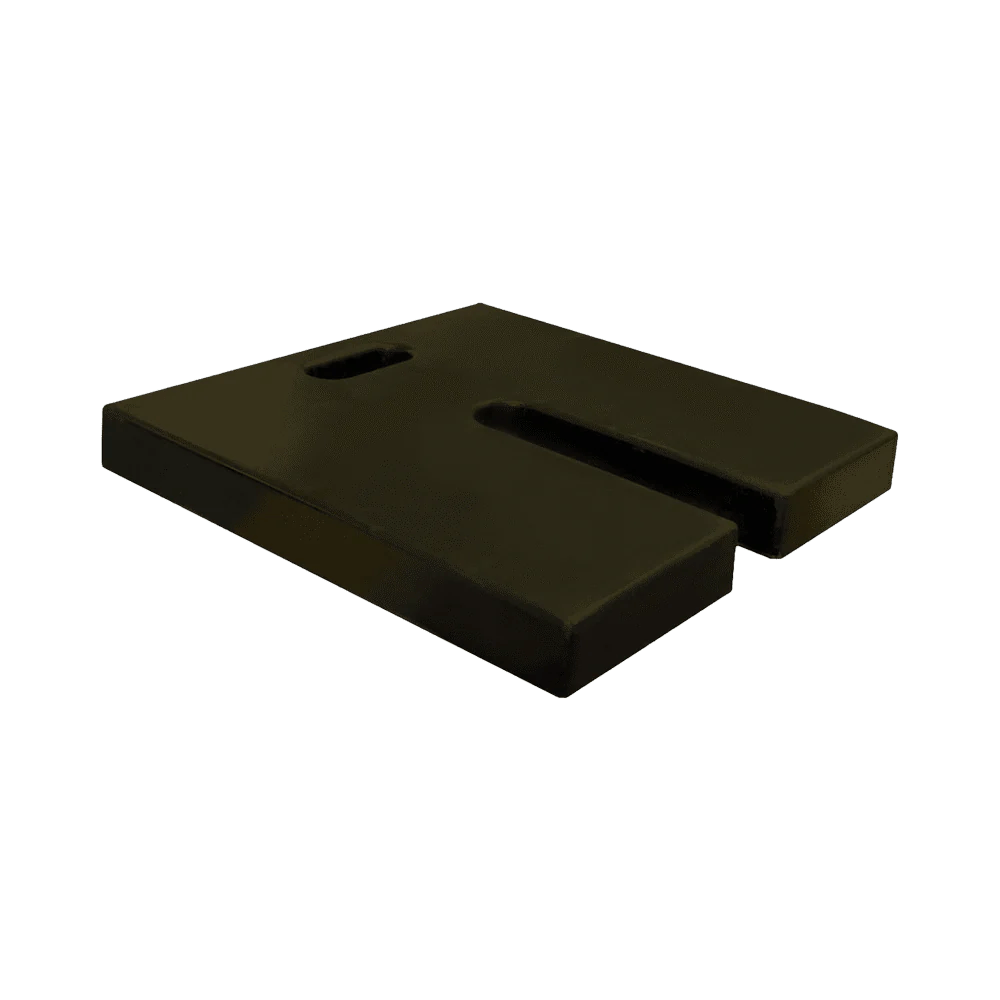
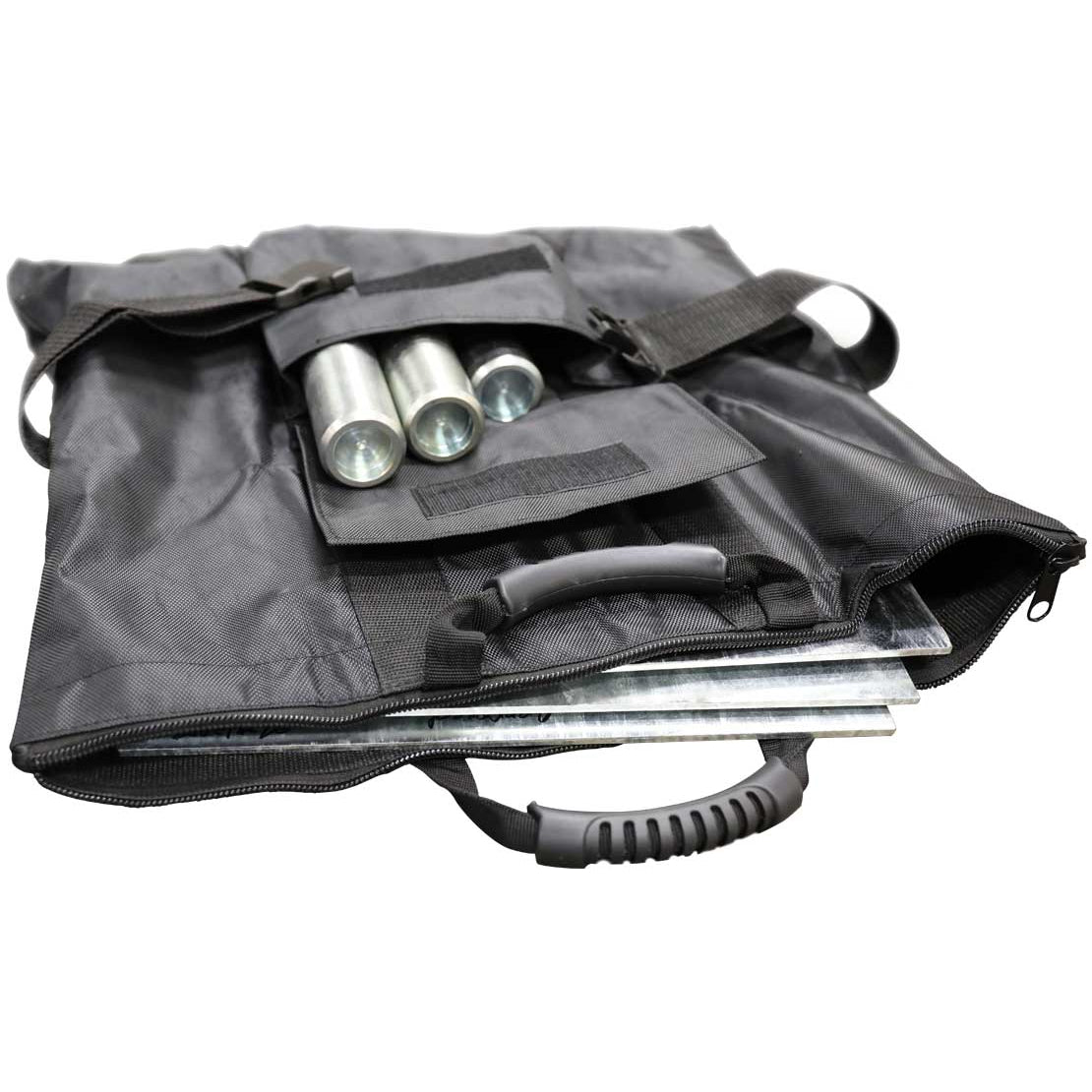
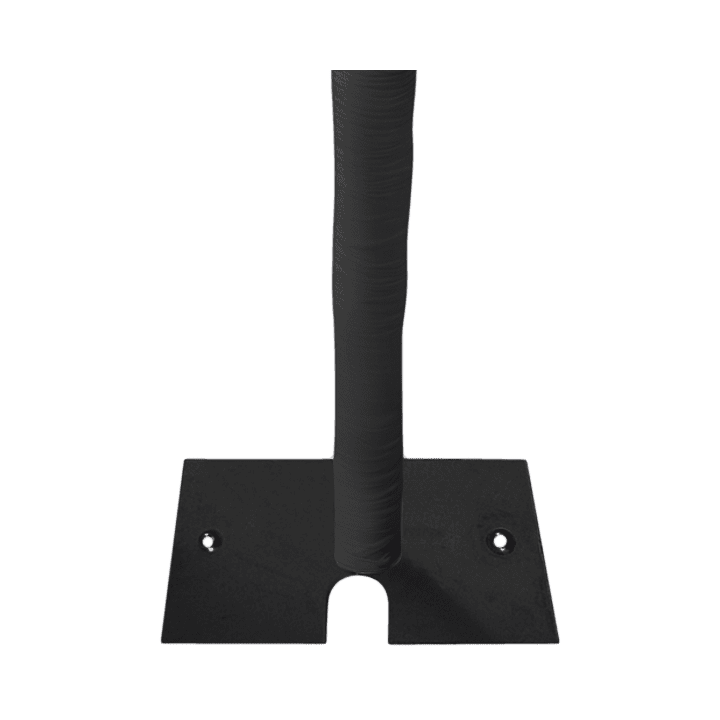
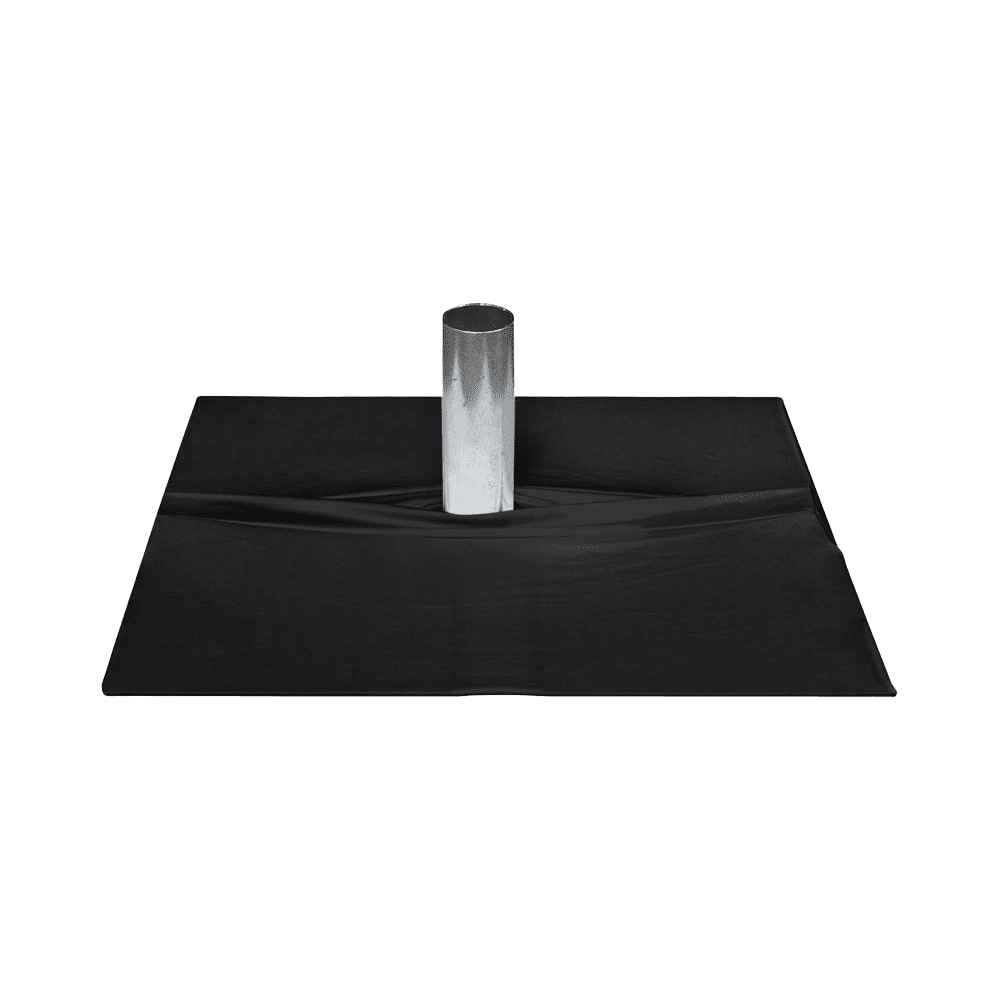
- Base plates – Heavy steel plates that stabilize the structure
- Uprights – Vertical poles that determine the height of the stand
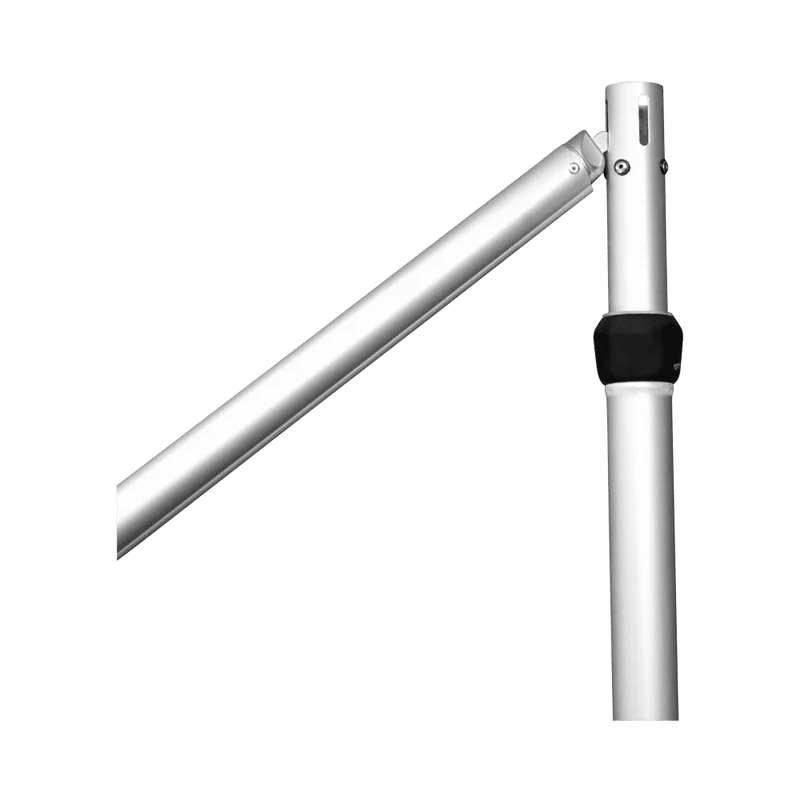
- Crossbars (drape supports) – Horizontal bars that connect uprights
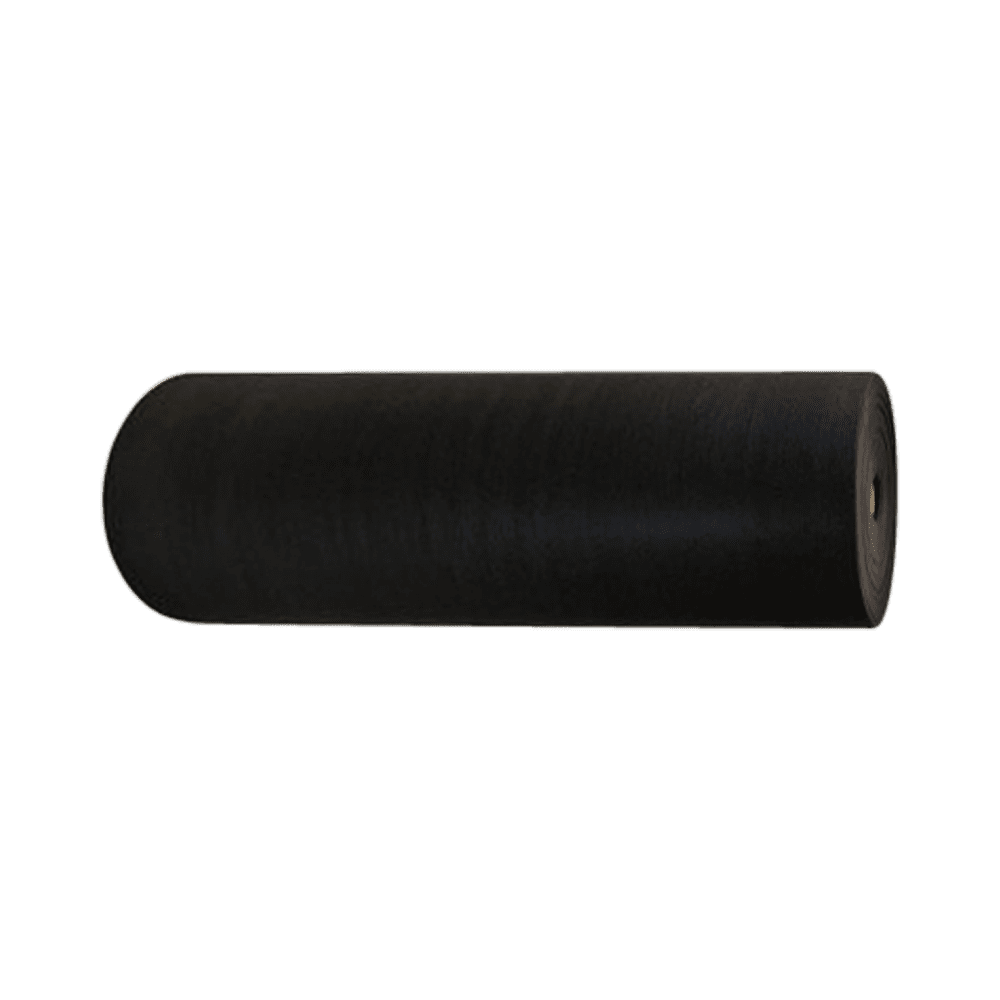
- Drape panels – Fabric curtains that create the visual backdrop
When these components are assembled correctly, they form a flexible and reusable backdrop stand system that can be adjusted based on event size and layout.
What makes this system so widely used is its adaptability. An adjustable stand allows you to modify both height and width, making it suitable for different venues without needing multiple setups.
Preparing Your Setup Area
A successful setup starts before you even assemble the stand. Many issues - like instability or uneven alignment - come from poor preparation rather than the system itself.
Key Preparation Steps:
- Measure the width and height of your setup area
- Ensure the floor is flat and free of obstructions
- Plan spacing between uprights based on your backdrop size
- Leave extra room for drape fullness and overlap
Taking a few minutes to plan your layout ensures your pipe and drape stand will be both stable and visually balanced.
Step-by-Step: How to Set Up a Pipe and Drape Stand
Once your space is ready, you can begin assembling the system.
Step 1: Place and Position the Base Plates
Start by laying out the base plates where each upright will stand.
- Position them evenly based on your desired width
- Keep spacing consistent across the setup
- Use heavier base plates for larger or taller backdrops
The base plates act as the foundation of your backdrop stand, so proper placement is critical for overall stability.
Step 2: Install the Uprights
Insert the uprights into the base plates and secure them.
- Ensure each upright is firmly seated in the base
- Adjust height if using an adjustable system
- Keep all uprights at the same height for alignment
An uneven upright setup is one of the most common mistakes and can make your entire pipe and drape stand look unprofessional.
Step 3: Connect and Adjust the Crossbars
Next, attach the crossbars between the uprights.
- Extend crossbars to match your required width
- Lock them securely into place
- Double-check that they are level
This step forms the frame of your adjustable stand, so accuracy here ensures the drapes will hang properly.
Step 4: Attach the Drape Panels
With the frame complete, slide the drape panels onto the crossbars.
- Distribute fabric evenly across the span
- Add extra panels for a fuller appearance
- Adjust folds for a clean, symmetrical look
The drape panels are what define the visual impact of your backdrop stand, so attention to detail matters.
Step 5: Fine-Tune the Entire Setup
Before finalizing, inspect the full structure.
- Check all connections and locks
- Adjust height and width if needed
- Smooth out wrinkles or uneven fabric
At this stage, your pipe and drape stand should look balanced, stable, and professionally installed.
Common Setup Mistakes (And How to Avoid Them)
Even though the system is simple, small mistakes can affect both appearance and safety.
Mistakes to Watch For:
-
Incorrect base spacing
Leads to unstable or sagging crossbars -
Uneven upright height
Creates a tilted or uneven backdrop -
Overextended crossbars
Reduces strength and causes bending -
Using lightweight bases for large setups
Increases risk of tipping -
Insufficient drape coverage
Results in gaps and poor visual finish
Avoiding these issues ensures your backdrop stand performs reliably in real event conditions.
Adjustable vs Fixed Pipe and Drape Stands
Choosing between an adjustable and fixed system affects both setup flexibility and long-term usability.
Adjustable Pipe and Drape Stands
- Height and width can be modified
- Suitable for multiple event types
- Reduces need for multiple kits
- Ideal for event professionals
Fixed Pipe and Drape Stands
- Pre-set dimensions
- Faster to assemble
- Best for repeated identical setups
In most scenarios, an adjustable pipe and drape stand offers better value because it adapts to different environments.
Stability and Safety Considerations
A visually appealing setup is important, but stability is equally critical - especially in high-traffic event environments.
Key Stability Factors:
- Base plate weight – Heavier bases provide better support
- Upright spacing – Proper spacing prevents sagging
- Crossbar strength – Ensures structural integrity
- Drape weight – Heavier fabrics require stronger support
For larger setups, adding additional uprights or using reinforced components can significantly improve stability.
Where Pipe and Drape Stands Are Used
The versatility of a pipe and drape stand makes it suitable for a wide range of applications.
Common Use Cases:
- Trade show booth backdrops
- Wedding stage and ceremony decor
- Photo booths and media walls
- Conference partitions and branding areas
- Stage and production backdrops
This adaptability is why pipe and drape systems are a standard solution across the event industry.
How to Get a More Professional Look
A functional setup is one thing, but achieving a polished, high-end appearance requires attention to detail.
Professional Setup Tips:
- Use wrinkle-resistant drape fabrics
- Add extra fullness for a richer look
- Keep base plates hidden behind drapes
- Maintain symmetry across all sections
- Match fabric color with event theme
These refinements elevate your pipe and drape stand from basic to professional-grade.
Final Thoughts
Setting up a pipe and drape stand becomes straightforward once you understand how each component works together. By focusing on proper spacing, alignment, and stability, you can create a clean and professional backdrop for any type of event.
For beginners, starting with an adjustable stand is often the best choice, as it allows flexibility across different setups and venues. As your experience grows, you can scale your configurations and refine your approach for larger, more complex layouts.
A well-installed backdrop stand not only improves the visual presentation of your event but also ensures reliability and ease of use every time.
FAQs
What is a pipe and drape stand used for?
A pipe and drape stand is used to create temporary backdrops, partitions, and booth setups for events such as trade shows, weddings, conferences, and photo booths.
Is a pipe and drape stand easy to set up?
Yes. Most systems are designed for quick assembly and require no tools, making them beginner-friendly.
What size pipe and drape stand should I choose?
It depends on your space. An adjustable stand is usually the best option because it allows you to modify height and width as needed.
What makes a pipe and drape stand stable?
Stability comes from heavy base plates, proper upright spacing, and secure crossbars. These factors ensure your backdrop stand remains balanced and safe.
Can I reuse a pipe and drape stand?
Yes. These systems are designed for repeated use, making them cost-effective for event professionals.
Do I need an adjustable pipe and drape stand?
If you plan to use it across different events or venues, an adjustable pipe and drape stand offers the most flexibility and long-term value.
If you're planning an event setup, choosing the right pipe and drape stand and understanding how to assemble it correctly can make a significant difference in both appearance and efficiency. From simple backdrops to full venue partitions, using a well-matched system - including an adjustable stand, durable hardware, and quality drape panels - ensures a smoother setup and a more professional result. As your needs grow, investing in reliable pipe and drape systems will help you create consistent, scalable setups across different events without added complexity.


